19 Employee Feedback Examples That Drive Performance & Engagement
Actionable insights to align your OKRs with everyday performance management-from proven frameworks to the tools that power them.

Summary
Employee feedback is the backbone of modern performance management—a structured exchange of insights between managers and team members that drives growth, engagement, and business results. Whether delivered as recognition for achievements, guidance on improvement, or real-time coaching, effective feedback keeps employees aligned with organizational goals while fostering a culture of continuous development. Companies that prioritize meaningful feedback see measurable improvements in retention, productivity, and profitability.
In today’s competitive business landscape, employee engagement isn’t a luxury—it’s a competitive necessity. Yet here’s a troubling reality: only 23% of employees globally feel truly engaged at work, while 62% remain disengaged. What separates thriving organizations from struggling ones? The answer lies in how effectively they deliver employee feedback examples that matter.
Feedback isn’t simply about pointing out mistakes or offering occasional praise. It’s a strategic tool that shapes workplace culture, accelerates professional development, and directly impacts your bottom line.
According to Gallup research, employees whose managers actively listen to their work-related concerns are 62% less likely to experience burnout. Furthermore, 92% of employees who receive praise for their efforts are more likely to repeat those positive actions, creating a virtuous cycle of high performance.
This comprehensive guide presents 19 real-world employee feedback examples across multiple contexts—from performance recognition to constructive guidance—along with frameworks to help you deliver feedback that resonates.
Whether you’re a manager seeking to improve your feedback skills or an HR professional implementing a feedback-rich culture, these examples will equip you with practical strategies grounded in research and proven results.
What Is Employee Feedback? Why Does It Matter?
Employee feedback is a structured conversation in which managers or peers provide specific, actionable insights about an employee’s performance, behavior, or impact. This goes beyond annual reviews; it encompasses real-time coaching, peer recognition, developmental guidance, and performance assessments delivered throughout the year.
The business case for feedback is compelling. McKinsey research reveals that only 21% of employees without regular development conversations felt motivated to perform, compared to 77% of those receiving ongoing feedback.
Additionally, Deloitte found that 81% of employees are more motivated to work harder when their managers acknowledge their contributions.
Organizations embracing continuous feedback report a 32% increase in employee engagement, while companies practicing robust feedback systems are 67% more likely to achieve better financial performance.
19 Employee Feedback Examples Across All Scenarios
Positive Feedback Examples (Appreciation & Recognition)
-
Example 1: Recognition of Achievement
“John, I want to acknowledge the exceptional work you delivered on the client proposal. Your attention to detail, combined with your ability to synthesize complex requirements, played a critical role in winning this account. This is the caliber of work that distinguishes top performers.”
Why it works: Specific accomplishment + impact + recognition of distinction.
-
Example 2: Appreciation for Effort Under Pressure
“Sarah, I witnessed how you managed the unexpected deadline shift this week without compromising quality. Your ability to prioritize and stay focused under pressure directly contributed to our team meeting the revised timeline. Thank you for your resilience.”
Why it works: Acknowledges specific challenge + observable behavior + impact on team.
-
Example 3: Recognition of Teamwork
“Thank you for always going above and beyond to assist your colleagues. Your helpfulness isn’t just appreciated by me—I’ve heard directly from your peers about how you make their work easier. Your collaborative spirit strengthens our entire team.”
Why it works: Peer recognition reinforcement + demonstrates broader impact.
-
Example 4: Appreciation for Initiative
“I noticed you took the initiative to streamline our onboarding process without being asked. Your solution has reduced new hire ramp-up time by 20%, saving the team significant hours. This kind of proactive thinking is what we value most.”
Why it works: Specific initiative + quantified outcome + alignment with organizational values.
-
Example 5: Recognition of Skill Development
“Your growth in data analysis over the past six months is remarkable. When you started this project, you needed support interpreting metrics. Now you’re independently generating insights that inform our strategy. Your commitment to growth doesn’t go unnoticed.”
Why it works: Growth trajectory highlighted + comparison of before/after capability + motivation for continued development.
Unlock Goal Clarity & Accelerate Employee Growth
Looking to drive goal clarity and employee growth? Discover how Worxmate’s AI-powered Performance Management Software can help.
Constructive Feedback Examples (Development-Focused)
-
Example 6: Addressing Time Management
“I’ve noticed that your project submissions have been delayed on the last three deliverables. I understand managing multiple priorities is challenging. Let’s discuss what obstacles you’re facing and explore strategies together—whether that’s adjusting your workload, using time-blocking techniques, or prioritizing differently. How can I support you in meeting deadlines?”
Why it works: Specific observation + empathy + collaborative problem-solving + offer of support.
-
Example 7: Improving Communication Skills
“During yesterday’s client call, I observed that you interrupted the client several times while they were explaining their needs. While your enthusiasm was evident, this limited their ability to fully articulate their requirements. Going forward, let’s practice active listening by asking clarifying questions before offering solutions. This will strengthen client relationships and lead to better outcomes.”
Why it works: Specific incident + behavior described objectively + impact explained + actionable next step.
-
Example 8: Enhancing Collaboration
“I’ve noticed you tend to work independently on projects rather than soliciting input from the team. While your individual contributions are strong, our best results come when we leverage diverse perspectives. For the next project, I’d like to see you schedule brainstorming sessions with your teammates. This collaborative approach will strengthen both our solutions and team cohesion.”
Why it works: Pattern identified + rationale explained + specific behavioral change requested + expected benefit articulated.
-
Example 9: Developing Leadership Skills
“You have strong technical knowledge, and your team respects your expertise. However, I’ve observed that you sometimes provide solutions directly rather than coaching team members through problem-solving. Moving forward, I’d like to see you ask more questions like ‘What approaches have you considered?’ or ‘Walk me through your thinking.’ This will develop your team’s capabilities while strengthening your leadership presence.”
Why it works: Strength acknowledged + development opportunity framed positively + specific behavioral alternatives provided.
-
Example 10: Addressing Attitude Concerns
“I appreciate your technical skills, and I’ve noticed your attitude shifts when you’re assigned tasks outside your preferred domain. I understand preferences are natural, but our team succeeds when every member is willing to support others flexibly. Let’s discuss what aspects of diverse work energize you and how we can frame broader responsibilities as growth opportunities rather than obstacles.”
Why it works: Strength reinforced + specific behavioral concern + organizational context + shift toward growth mindset.
Performance Feedback Examples (Role-Specific Achievement)
-
Example 11: Exceeding Sales Targets
“Your sales performance this quarter demonstrates exceptional consistency. You’ve exceeded targets by 18% while maintaining a 95% client satisfaction score—the highest on the team. Your ability to balance aggressive growth with customer care sets the standard for the sales organization. I’d like to discuss leveraging your approach as a model for the team.”
Why it works: Specific metrics + balanced achievement (revenue + quality) + recognition of influence potential.
-
Example 12: Project Delivery Excellence
“The website redesign project you led was delivered on time, 8% under budget, and exceeded all technical specifications. More impressively, your team reported high collaboration and clarity throughout. This combination of delivery excellence and team leadership is what distinguishes top performers. I’m recommending you for the senior project lead role.”
Why it works: Quantified outcomes + team-building impact + career advancement recognition.
-
Example 13: Customer Service Excellence
“Your customer satisfaction rating of 4.8 out of 5 across 50+ interactions this month is outstanding. Beyond the ratings, I reviewed three customer comments praising your patience and problem-solving approach. This is the standard we’re striving for across the team.”
Why it works: Qualitative and quantitative metrics + customer voice + modeling behavior.
Real-Time Feedback Examples (In-the-Moment Coaching)
-
Example 14: Immediate Positive Reinforcement
“[During a meeting] The way you handled that disagreement was excellent. You stayed calm, asked clarifying questions before responding, and found common ground. That’s exactly the collaborative problem-solving approach we need.”
Why it works: Immediate delivery + specific behaviors highlighted + reinforcement of desired culture.
-
Example 15: Real-Time Correction
“[After presentation] You’ve clearly done thorough research, and your data is strong. I noticed you spent 40% of your time on background information—consider leading with the key recommendations, then using background to support them. This structure will have more impact on decision-makers.”
Why it works: Timing allows application to next opportunity + specific structural adjustment suggested + rationale linked to impact.
Development & Career Feedback Examples
-
Example 16: Career Growth Guidance
“You’ve demonstrated strong individual contributor skills, and I’m noticing you’re interested in cross-functional impact. Let’s explore whether a move toward product management or business analysis aligns with your strengths and interests. I’d like to set up a conversation with leaders in those areas so you can understand the pathways and skill gaps to address.”
Why it works: Aspiration recognized + pathway offered + opportunity for informed decision-making.
-
Example 17: Skill Gap Identification
“You excel in so many areas of this role, and your strategic thinking is a real strength. I’ve noticed that financial analysis is an area where you could build deeper capability. I’d like to enroll you in our advanced analytics program. Mastering this skill will open doors to more senior opportunities.”
Why it works: Strength reinforcement + development opportunity framed positively + career connection made + organizational support offered.
Unlock Goal Clarity & Accelerate Employee Growth
Looking to drive goal clarity and employee growth? Discover how Worxmate’s AI-powered Performance Management Software can help.
Peer-to-Peer & Upward Feedback Examples
-
Example 18: Peer Recognition
“I wanted to acknowledge how you handled the crisis on the Morrison project. Your calm presence, clear communication, and willingness to work late made a real difference in our recovery. This kind of leadership—even from a peer role—strengthens our entire team.”
Why it works: Peer-to-peer feedback carries weight + specific crisis management acknowledged + team impact highlighted.
-
Example 19: Upward Feedback to Manager
“I appreciate how you frame our team goals in terms of larger company objectives. It helps me understand my role’s significance and stay motivated. One suggestion: in our weekly updates, it would help me if you could allocate 10 minutes to discuss my current projects and progress. It would help me feel more supported and provide an opportunity for course correction early.”
Why it works: Appreciation expressed + specific improvement requested + rationale provided + collaborative tone.
Case Study: How Continuous Feedback Transformed a Tech Company’s Engagement
-
The Challenge:
A mid-sized software company faced a persistent challenge: despite having talented employees, engagement scores hovered around 52%, and turnover exceeded industry averages. Annual performance reviews were the only formal feedback mechanism, leaving employees uncertain about their progress for months at a time.
-
The Solution:
Drawing on McKinsey research showing that 77% of employees with ongoing feedback felt motivated (versus only 21% without), the company implemented a structured continuous feedback system:
-
- Weekly 1-on-1 check-ins with managers using the SBI framework
- Monthly team feedback sessions incorporating peer-to-peer recognition
- Real-time feedback tools enabling immediate acknowledgment of wins
- Quarterly business reviews replacing annual reviews, with development conversations throughout the year
-
The Results:
Within six months, the company achieved:
-
- 30% increase in employee engagement scores (52% → 82%)
- 25% reduction in voluntary turnover
- 15% improvement in overall productivity (measured by project delivery metrics)
- 40% increase in internal promotions (employees feeling supported invested in career growth)
One manager noted: “The weekly feedback cycles changed how I lead. Instead of surprises at annual reviews, I’m coaching in real-time. Employees know exactly where they stand and what success looks like.”
Conclusion
Effective employee feedback examples aren’t just nice-to-haves—they’re strategic imperatives. Organizations that invest in continuous, high-quality feedback see measurable improvements in engagement (up 32%), productivity (up 15%), retention, and profitability. From real-time recognition to structured development conversations, the examples in this guide provide templates for feedback that resonates.
The shift from annual reviews to continuous feedback requires commitment: manager training, cultural change, and often, technology enablement. Yet the returns justify the investment. When employees receive clear feedback, feel heard, and understand their growth pathway, engagement follows—and engagement drives business performance.
Whether you’re implementing a formal performance management system or simply looking to improve your one-on-one conversations, remember this: the most powerful feedback is specific, timely, and focused on growth.

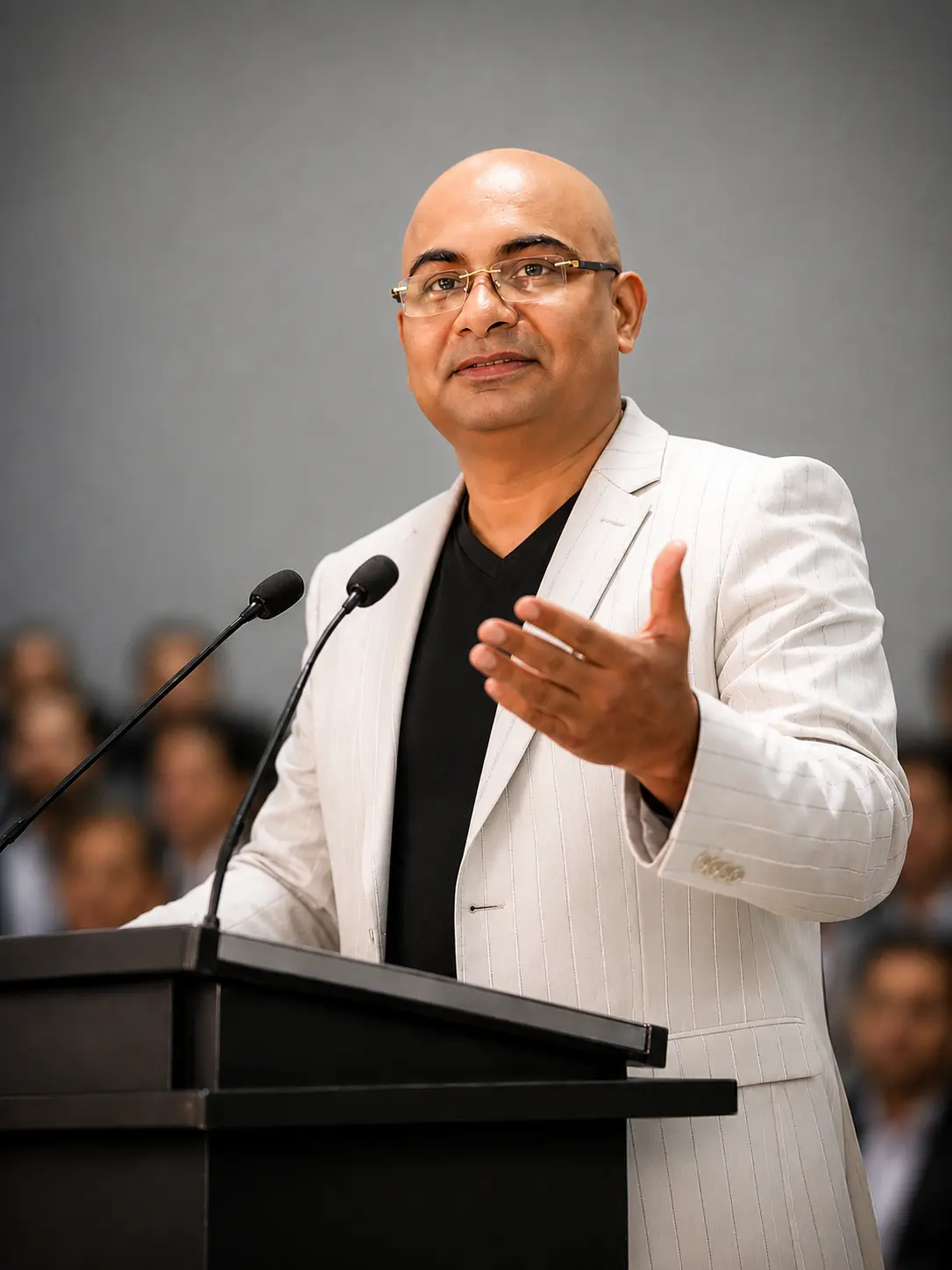
Written by
An OKR Coach with 20+ years of implementation experience, Madhusudan has guided over 50 organisations through successful OKR transformations, training more than 500 leaders. Learn more about Worxmate.
Frequently Asked Questions
Positive feedback recognizes achievements and reinforces desired behaviors, boosting morale and motivation. Constructive feedback addresses areas for improvement in a supportive manner, providing guidance for growth. Both are essential: research suggests a 5:1 ratio of positive to constructive feedback yields optimal motivation and development.
Rather than waiting for annual reviews, research supports a continuous approach: weekly or bi-weekly one-on-ones with immediate feedback on specific events. Gallup found that 80% of employees who received weekly feedback reported being engaged. Real-time feedback also captures accuracy, as managers recall specifics closer to when they occurred.
Peer feedback offers unique perspectives that managers might miss—colleagues often see day-to-day collaboration, communication, and teamwork dynamics. Additionally, peer recognition is deeply motivating. Organizations that encourage peer feedback report higher engagement and stronger team cohesion. It also distributes the feedback responsibility, preventing managers from being the sole source of guidance.
Feedback drives high performance most effectively when daily actions directly connect to overarching organizational priorities and OKRs. By tying specific examples of achievement or areas for improvement back to strategic company objectives, managers give context to their feedback and ensure team alignment. This strategic clarity helps employees see how their individual growth contributes to the broader enterprise mission.
Structured frameworks like the SBI (Situation-Behavior-Impact) model help managers deliver objective, clear feedback without triggering defensiveness. By clearly defining the context, the exact behavior observed, and its business outcome, leaders can ground their discussions in facts. Utilizing these proven communication structures makes both praise and developmental guidance much more actionable.
Enterprise strategy and OKR platforms streamline feedback by embedding real-time recognition and developmental coaching directly into daily workflows and goal tracking. Instead of relying on manual reminders or disjointed spreadsheets, automated systems prompt timely check-ins that tie employee progress directly to strategic key results. This creates a centralized, continuous feedback loop that drives measurable business outcomes and higher retention.
When defensiveness arises, shift the conversation from a critique of the individual to a collaborative problem-solving dialogue focused on future growth. Acknowledge their perspective, validate their effort, and jointly explore what obstacles are impacting their performance. Framing the discussion around mutual support transforms potential conflict into a productive development opportunity.
HR leaders can quantify feedback ROI by tracking key performance indicators such as voluntary employee turnover rates, engagement survey scores, and goal attainment speed. Organizations that foster continuous feedback systems typically see measurable gains in productivity and financial performance compared to those relying solely on annual reviews. Correlating feedback frequency with team OKR completion rates provides a clear picture of its business impact.
Remote and hybrid environments require intentional, scheduled touchpoints and digital recognition tools to prevent feedback from falling by the wayside. Managers should leverage video one-on-ones and asynchronous recognition platforms to ensure achievements don’t go unnoticed simply because they happen out of sight. Maintaining high visibility and consistent communication bridges the physical gap and sustains a strong feedback-rich culture.