
Reward and Recognition: Boost Engagement Strategy (2026)
Actionable insights to align your OKRs with everyday performance management-from proven frameworks to the tools that power them.
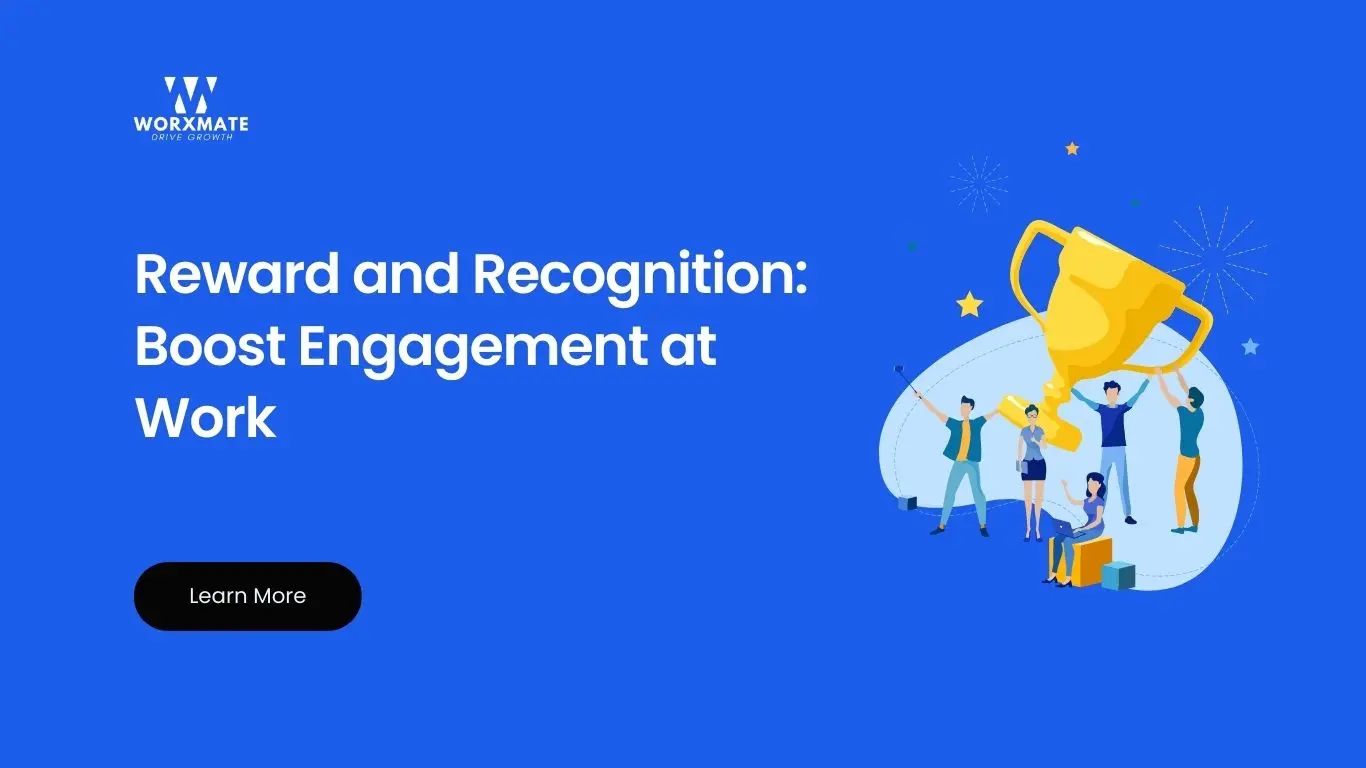
Summary:
Reward and recognition are essential strategies for acknowledging employee contributions, boosting morale, and driving organizational success. Effective systems not only enhance engagement and productivity but also reduce turnover and foster a positive workplace culture. Understanding and implementing these practices is crucial for any business aiming to retain top talent and achieve long-term goals.
Why Reward and Recognition Matter More Than Ever
In today’s competitive landscape, organizations are constantly seeking ways to enhance productivity, retain top talent, and foster a positive workplace culture.
At the heart of this endeavor lies a powerful yet often underestimated tool: reward and recognition.
These systems are not just about handing out bonuses or plaques; they are strategic mechanisms that validate employees’ efforts, amplify engagement, and drive organizational success.
When implemented effectively, reward and recognition programs can transform workplace dynamics, leading to higher job satisfaction, reduced turnover, and improved performance.
In this article, we delve into the intricacies of these practices, explore their impact through real-world case studies, and provide actionable insights to help you build a culture where employees feel truly valued.
What Are Reward and Recognition Systems?
Reward and recognition systems encompass formal and informal initiatives designed to acknowledge employees’ contributions. While these terms are often used interchangeably, they serve distinct purposes:
- Rewards are tangible incentives, such as bonuses, gifts, or promotions, given for achieving specific goals.
- Recognition involves intangible gestures, like public praise or awards, that highlight an individual’s efforts and behaviors.
Together, they create a holistic approach to appreciation, addressing both material and emotional needs of employees.
Unlock Goal Clarity & Accelerate Employee Growth
Looking to drive goal clarity and employee growth? Discover how Worxmate’s AI-powered Performance Management Software can help.
The Impact of Reward and Recognition: Data-Driven Insights
Research consistently demonstrates the profound impact of reward and recognition on organizational outcomes. Consider these statistics:
- Companies with effective recognition programs have 31% lower voluntary turnover than those without them (Gallup).
- Organizations that prioritize employee recognition are 48% more likely to have high employee engagement levels (Deloitte).
- According to McKinsey, non-financial incentives (e.g., praise from managers) can be as motivating as monetary rewards, particularly in knowledge-based industries.
These figures underscore the necessity of integrating reward and recognition into your core business strategy.
Case Study: How Google Boosted Engagement with Peer Recognition
Google, renowned for its innovative culture, implemented a peer-to-peer recognition program called “gThanks.” This platform allows employees to publicly acknowledge colleagues’ contributions through digital badges and monetary bonuses. The results were remarkable:
- 🌟 Over 80% of employees reported feeling more valued and connected to their teams.
- 📊 Productivity increased by 12% in departments that actively used the system.
This case illustrates how technology-enabled reward and recognition programs can foster a collaborative and appreciative culture.
Best Practices for Implementing Reward and Recognition Programs
-
Align with Organizational Goals
Ensure your reward and recognition initiatives are tied to company objectives, such as innovation, customer satisfaction, or teamwork. This reinforces desired behaviors and drives strategic outcomes.
-
Prioritize Timeliness and Specificity
Recognition should be immediate and specific. Instead of generic praise, highlight exactly what the employee did and why it mattered. For example:
“Your innovative solution in last week’s project saved the team 10 hours of work!”
-
Combine Tangible and Intangible Incentives
While bonuses are effective, don’t underestimate the power of public acknowledgment. Use a mix of both to cater to diverse employee preferences 5.
-
Leverage Technology for Scalability
Platforms like Worxmate’s OKR software streamline the process by automating recognition, tracking achievements, and integrating with performance management systems.
-
Encourage Peer-to-Peer Recognition
Empower employees to recognize each other. This democratizes appreciation and strengthens team bonds.
How Worxmate Enhines Reward and Recognition
Worxmate’s Performance Management Software provide a seamless framework for implementing reward and recognition programs. Our tools enable you to:
- Set and track objectives and key results (OKR) aligned with recognition initiatives.
- Automate acknowledgment processes, ensuring no contribution goes unnoticed.
- Generate real-time analytics to measure the impact of your programs on engagement and productivity.
Ready to transform your workplace? Book a Demo with Worxmate today and see how our solutions can help you build a culture of appreciation!
Conclusion:
Reward and recognition are not mere HR checkboxes; they are vital components of a thriving organizational ecosystem.
By acknowledging employees’ efforts in meaningful ways, companies can unlock higher engagement, drive performance, and reduce turnover.
The key lies in designing programs that are timely, specific, and aligned with core values. As the data and case studies show, investing in these practices yields tangible returns—both in human and business terms.
Start your journey today by integrating strategic reward and recognition into your workplace, and watch as morale and productivity soar.
dsdsdsd
sdsdsdsd
Written by
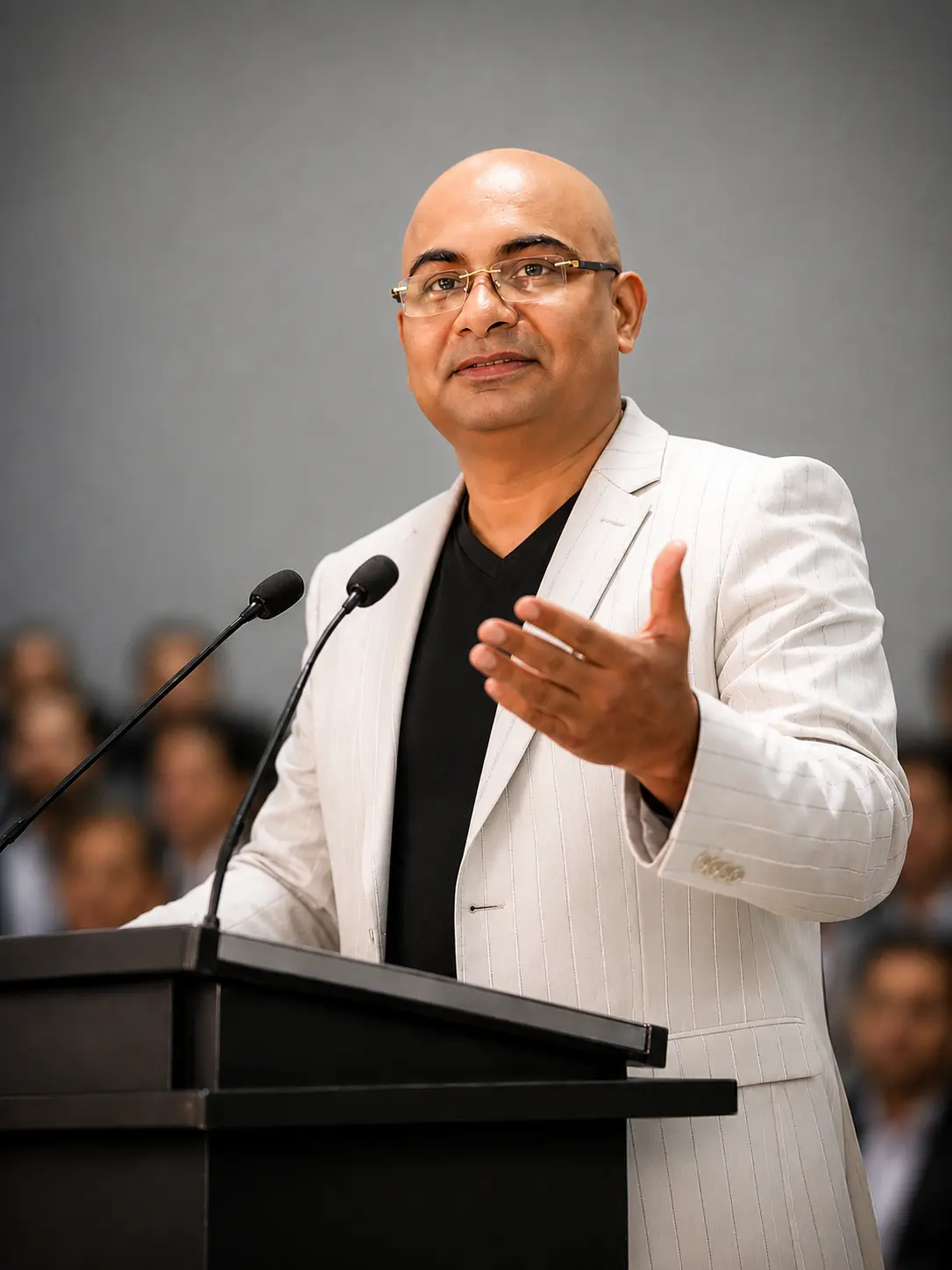
An OKR Coach with 20+ years of implementation experience, Madhusudan has guided over 50 organisations through successful OKR transformations, training more than 500 leaders. Learn more about Worxmate.
Frequently Asked Questions
Rewards are tangible incentives such as bonuses, financial gifts, or promotions tied to specific milestone achievements. Recognition is intangible appreciation—such as public praise, awards, or shout-outs—that acknowledges daily efforts and reinforces positive behaviors.
Effective programs make employees feel genuinely valued and connected to company goals. Gallup research shows that companies with robust recognition programs experience up to 31% lower voluntary turnover.
Yes. McKinsey and Deloitte studies indicate that frequent non-financial praise from managers and peers significantly boosts intrinsic motivation and engagement, particularly in knowledge-based and remote work environments.
By adopting digital recognition platforms that allow employees to publicly praise colleagues, award digital badges, and celebrate collaborative wins in real time during weekly operational check-ins.
Linking recognition and rewards to measurable Objectives and Key Results ensures that employees are appreciated for driving strategic business outcomes rather than just completing routine tasks.
Performance management and OKR software automate milestone tracking, streamline peer shout-outs, and generate real-time analytics to measure the cultural and productivity impact of recognition initiatives.
Unlike annual performance reviews or occasional bonuses, recognition should be delivered frequently and in real time—ideally weekly or immediately following the completion of key tasks.
Common pitfalls include generic praise, delayed recognition, lack of alignment with core company values, and overly complex redemption processes for tangible rewards.
Digital platforms provide centralized spaces where distributed team members can publicly acknowledge peer contributions, preventing remote employees from feeling invisible or disconnected.
HR leaders can measure ROI by tracking metrics such as voluntary turnover rates, employee engagement survey scores, productivity trends, and goal attainment rates before and after program implementation.