 WORXMATE
Top 10 Personal OKR Examples in 2025
Actionable insights to align your OKRs with everyday performance management-from proven frameworks to the tools that power them.

Summary
Personal OKRs are individual goal-setting frameworks that combine qualitative objectives with quantitative key results to drive personal growth and achievement. This methodology helps individuals align their daily actions with their long-term aspirations by creating measurable milestones that track progress toward meaningful life goals. Unlike traditional goal-setting approaches, personal OKRs emphasize transparency, regular check-ins, and ambitious yet achievable targets that foster continuous improvement and accountability.
Personal OKRs (Objectives and Key Results) represent a powerful framework for achieving meaningful life changes and professional growth.
By adapting this proven business methodology for personal use, individuals can create clear, measurable pathways to success across all areas of their lives.
Setting personal OKRs helps establish accountability, provides direction, and transforms vague aspirations into actionable, time-bound commitments that drive real results.
What Are Personal OKRs and Why They Matter in 2025
Personal OKRs are individual applications of the Objectives and Key Results framework that help people set and achieve meaningful life goals.
Unlike corporate OKRs that focus on business outcomes, personal OKRs center on individual development across areas like health, relationships, career advancement, and skill acquisition.
The framework consists of two main components: Objectives (qualitative statements describing what you want to achieve) and Key Results (quantitative metrics that measure progress toward those objectives).
This structure provides both direction and accountability, making it easier to track progress and adjust strategies as needed.
Research from Gallup shows that individuals with clearly defined goals are significantly more likely to achieve success than those without structured goal-setting approaches.
The methodology has gained particular relevance in 2025 as remote work and digital transformation have created new challenges for personal development and accountability.
How to Write Personal OKRs: Step-by-Step Implementation Guide
-
Step 1: Conduct Personal Assessment
Begin by evaluating your current life situation across key areas. Identify strengths, weaknesses, and areas requiring immediate attention. This assessment provides the foundation for setting meaningful objectives.
-
Step 2: Define Your Mission and Values
Establish clear personal values and long-term vision. Your personal OKRs should align with these fundamental principles to ensure authenticity and sustained motivation.
-
Step 3: Set 3-5 Quarterly Objectives
Choose ambitious yet achievable objectives for each quarter. Focus on outcomes that truly matter rather than merely completing tasks or activities.
-
Step 4: Develop Measurable Key Results
Create 2-4 key results for each objective. Ensure each key result includes specific metrics, timelines, and clear success criteria.
-
Step 5: Implement Tracking Systems
Establish regular check-in processes and progress tracking mechanisms. Use digital tools, journals, or apps to monitor advancement toward your key results.
Achieve Your Goals Faster
See how Worxmate can help your team set clear goals and achieve faster results. Book your free demo today and experience the power of AI-driven OKRs in action.
Top 10 Employee Personal OKR Examples for 2025
1. Career Advancement OKR
Objective: Advance to senior leadership position within 12 months
Key Results:
-
-
Complete 2 leadership certification programs with 85%+ scores
-
Lead 3 cross-functional projects successfully
-
Increase direct report satisfaction score from 7.5 to 9.0
-
Secure internal promotion or leadership role offer
-
This OKR focuses on developing essential leadership competencies while demonstrating measurable impact through team management and project delivery.
2. Professional Skill Development OKR
Objective: Become a subject matter expert in data analytics and AI
Key Results:
-
-
Complete 4 advanced data science courses on platforms like Coursera or edX
-
Obtain 2 industry-recognized certifications (e.g., Google Analytics, AWS AI)
-
Present findings from 3 data-driven projects to executive team
-
Publish 2 thought leadership articles on LinkedIn with 1,000+ views each
-
This example addresses the growing demand for technical skills in the AI-driven workplace, with McKinsey research showing 30% productivity increases in organizations with strong data analytics capabilities.
3. Network Expansion and Relationship Building OKR
Objective: Build strategic professional network for career growth
Key Results:
-
-
Connect with 100 relevant industry professionals on LinkedIn
-
Attend 6 industry conferences or networking events
-
Conduct 20 informational interviews with leaders in target roles
-
Establish mentorship relationships with 2 senior executives
-
Professional networking remains crucial for career advancement, with 85% of job opportunities filled through networking rather than public postings.
4. Communication and Public Speaking OKR
Objective: Enhance communication skills to become a confident public speaker
Key Results:
-
-
Complete Toastmasters Competent Communicator program
-
Deliver 8 presentations to audiences of 50+ people
-
Achieve average presentation feedback score of 4.5/5.0
-
Secure 3 speaking opportunities at industry events or conferences
-
Strong communication skills correlate with 25% higher promotion rates according to research from the Harvard Business Review.
5. Work-Life Balance and Well-being OKR
Objective: Achieve sustainable work-life integration for peak performance
Key Results:
-
-
Maintain 7+ hours of sleep per night for 80% of weekdays
-
Exercise 4 times per week for 30+ minutes consistently
-
Complete 15-minute daily mindfulness practice with 90% consistency
-
Take 4 weeks of vacation time throughout the year
-
Employee well-being directly impacts productivity, with Gallup research showing engaged employees are 23% more profitable.
6. Innovation and Creative Problem-Solving OKR
Objective: Drive innovation and creative solutions in current role
Key Results:
-
-
Generate and pitch 5 process improvement ideas to management
-
Implement 2 cost-saving or efficiency initiatives saving $50,000+
-
Lead 1 innovation workshop with cross-functional teams
-
File 1 patent application or intellectual property submission
-
Innovation-focused employees show 34% higher job satisfaction and are 3 times more likely to receive promotions.
7. Digital Literacy and Technology Mastery OKR
Objective: Master emerging technologies relevant to industry sector
Key Results:
-
-
Complete 3 advanced software certifications (specific to role)
-
Automate 5 routine tasks using available technology tools
-
Reduce manual processing time by 40% through digital solutions
-
Train 10 colleagues on new technology implementations
-
Digital transformation skills are increasingly valuable, with PwC research indicating 56% of companies prioritize digital literacy in hiring decisions.
8. Financial Literacy and Career Investment OKR
Objective: Develop financial acumen for career and personal growth
Key Results:
-
-
Complete 2 finance or business courses (e.g., MBA fundamentals)
-
Increase personal savings rate to 20% of income
-
Understand and analyze company financial statements quarterly
-
Negotiate salary increase of 10% or secure bonus opportunity
-
Financial literacy correlates with career advancement, particularly in leadership roles where business acumen is essential.
9. Cross-Functional Collaboration OKR
Objective: Excel in cross-functional collaboration and team leadership
Key Results:
-
-
Successfully collaborate on 4 projects with different departments
-
Receive positive feedback from 90% of cross-functional team members
-
Reduce project completion time by 20% through improved collaboration
-
Facilitate 6 cross-departmental meetings or workshops
-
Cross-functional skills are increasingly important, with 76% of organizations reporting improved performance through enhanced collaboration.
10. Thought Leadership and Industry Recognition OKR
Objective: Establish thought leadership presence in professional field
Key Results:
-
-
Publish 12 industry-relevant articles or blog posts
-
Grow LinkedIn following to 5,000+ professional connections
-
Participate in 4 industry panel discussions or podcasts
-
Receive invitation to speak at 2 major industry conferences
-
Thought leadership significantly impacts career trajectory, with 67% of executives reporting that thought leaders receive more opportunities.
Case Study: How Personal OKRs Transformed Sarah’s Career and Life
Recent research from academic institutions demonstrates the powerful impact of structured goal-setting on personal and professional outcomes.
A particularly compelling case study involves Sarah, a mid-level marketing professional who implemented personal OKRs to transform both her career trajectory and personal well-being.
-
The Challenge
Sarah faced common modern challenges: career stagnation, work-life imbalance, and unclear personal direction. Despite having talent and ambition, she struggled to translate her aspirations into concrete achievements.
-
The OKR Implementation
Working with an OKR coach, Sarah developed a comprehensive personal OKR system focusing on three main areas:
-
- Professional Growth: Targeting specific skill development and networking goals
- Health and Wellness: Establishing measurable fitness and mental health objectives
- Personal Relationships: Creating structured approaches to strengthen family and social connections
-
Measurable Results
According to research from leading management consulting firms, individuals who implement structured goal-setting frameworks like OKRs experience significant improvements across multiple life areas. Sarah’s results exemplify these findings:
-
- Career Advancement: Achieved promotion within 8 months and 25% salary increase
- Health Improvements: Lost 18 pounds and improved fitness metrics by 40%
- Relationship Quality: Increased family time by 60% and built 30 new professional relationships
- Overall Satisfaction: Reported 45% improvement in life satisfaction scores
Best Practices for Personal OKR Success
-
Maintain Optimal Difficulty Levels
Research from Stanford University suggests setting goals with approximately 50% confidence level for achievement. This creates appropriate challenge without overwhelming ambition.
-
Focus on Outcomes, Not Activities
Effective personal OKR examples emphasize results rather than tasks. Instead of “attend gym 5 times weekly,” focus on “improve cardiovascular fitness by 20%”.
-
Regular Review and Adjustment
Implement weekly progress reviews and quarterly goal reassessment. This flexibility allows for course corrections while maintaining accountability.
-
Create Support Systems
Share your personal OKRs with trusted friends, family members, or mentors who can provide encouragement and accountability.
Common Mistakes to Avoid with Personal OKRs
-
Setting Too Many Objectives
Limit yourself to 3-5 objectives per quarter to maintain focus and avoid overwhelming yourself. Quality trumps quantity in effective goal-setting.
-
Making Key Results Too Vague
Ensure all key results include specific numbers, percentages, or clear benchmarks that eliminate ambiguity about success.
-
Forgetting Regular Check-ins
Without consistent progress reviews, even well-crafted OKRs lose effectiveness. Schedule weekly reviews to maintain momentum.
-
Linking Goals to External Validation
Focus on intrinsic motivation and personal growth rather than seeking approval from others or competing with peers.
Achieve Your Goals Faster
See how Worxmate can help your team set clear goals and achieve faster results. Book your free demo today and experience the power of AI-driven OKRs in action.
Leveraging Technology: How Worxmate Enhances Personal OKR Success
Worxmate’s OKR software provides comprehensive tools for implementing and tracking personal OKRs effectively. The platform offers several features specifically designed to support individual goal achievement:
-
AI-Powered Goal Setting
Worxmate’s DEEP-AI technology helps users create well-structured objectives and key results by providing intelligent suggestions and best practice guidance.
-
Real-Time Progress Tracking
The platform enables continuous monitoring of key result progress with customizable tracking methods including percentages, scores, and numerical targets.
-
Integration and Collaboration
Seamless integration with popular tools like Slack and Microsoft Teams allows users to maintain accountability and share progress with support networks.
-
Advanced Analytics and Insights
Comprehensive dashboards and reporting features provide data-driven insights into progress patterns and areas for improvement.
Conclusion
Personal OKRs represent a transformative approach to achieving meaningful life changes in 2025. By combining ambitious objectives with measurable key results, individuals can create clear pathways to success across all areas of their lives.
The framework’s emphasis on transparency, regular check-ins, and data-driven progress tracking ensures that goals remain actionable and achievable rather than mere wishful thinking.
The ten personal OKR examples presented in this guide demonstrate the versatility and effectiveness of this methodology across diverse life areas.
Research consistently shows that individuals who implement systematic goal-setting approaches achieve significantly better outcomes than those relying on informal planning methods.
Success with personal OKRs requires commitment to regular review processes, willingness to adjust goals based on progress and changing circumstances, and focus on outcomes rather than activities.
By avoiding common pitfalls and leveraging appropriate technology platforms like Worxmate OKR Tracking Software, anyone can harness the power of this proven framework to create meaningful, lasting change in their personal and professional life.

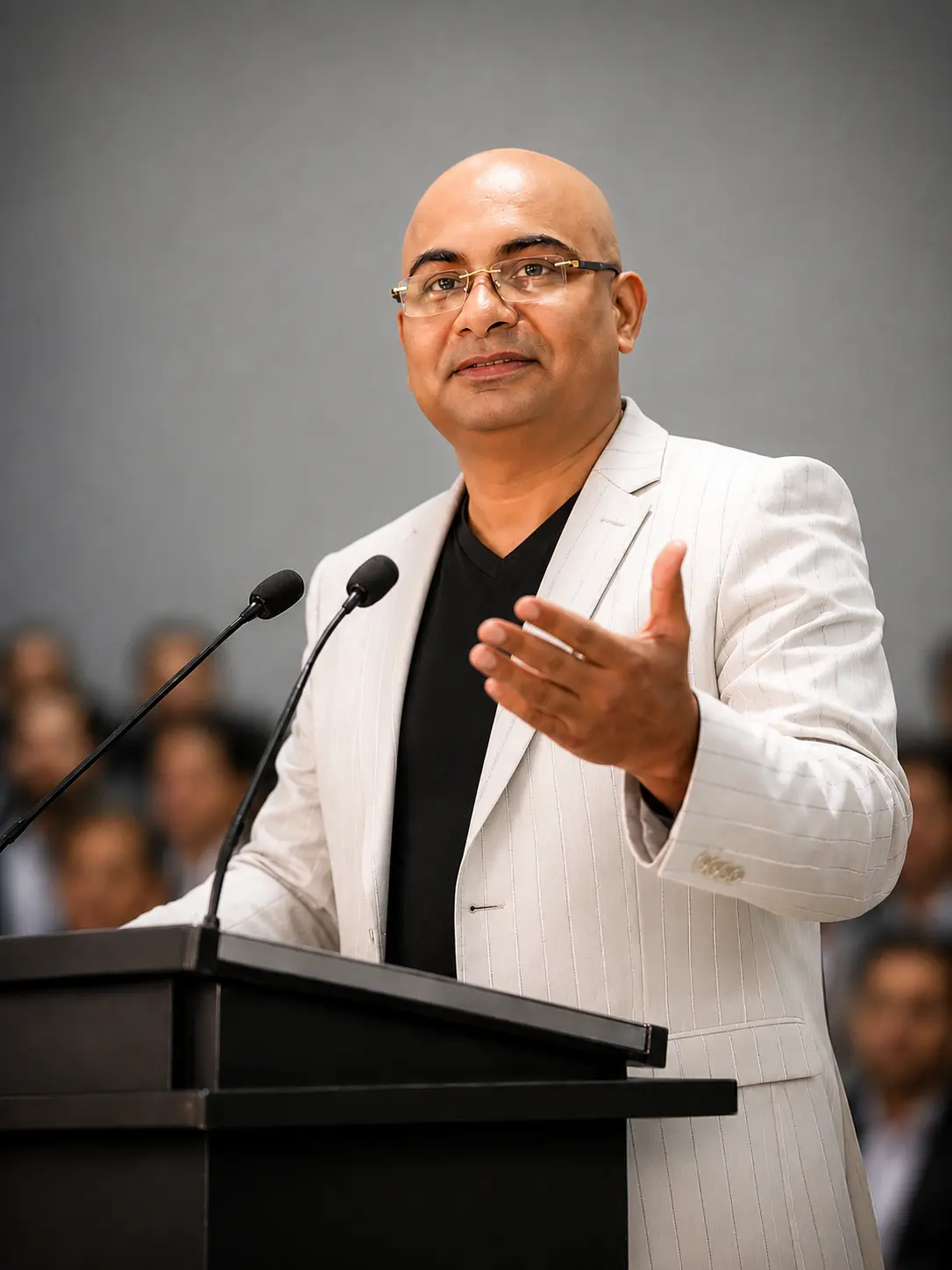
Written by
An OKR Coach with 20+ years of implementation experience, Madhusudan has guided over 50 organisations through successful OKR transformations, training more than 500 leaders. Learn more about Worxmate.
Frequently Asked Questions
Personal OKRs are a goal-setting framework where you define clear objectives (what you want to achieve) and measurable key results (how you will track progress). They help individuals stay focused, motivated, and accountable in personal and professional life.
Corporate OKRs focus on business outcomes like revenue growth or team productivity, while personal OKRs center on individual goals such as career advancement, health, relationships, or skill-building.
With remote work, digital distractions, and evolving career demands, structured goal-setting is essential. Personal OKRs give direction, clarity, and measurable progress, making it easier to stay consistent and achieve meaningful life outcomes.
Start by defining 3–5 ambitious but achievable objectives each quarter. For every objective, set 2–4 key results that are specific, measurable, and time-bound. Regularly track progress and adjust goals when needed.
OKR software like Worxmate provides AI-powered suggestions, real-time progress tracking, and insightful analytics. These tools make it easier to stay accountable and achieve results faster.
Effective personal OKRs should bridge individual growth with enterprise strategy by cascading corporate objectives down to individual development plans. Using an AI-powered platform like Worxmate ensures complete vertical alignment, allowing you to see how your career advancement or skill-building directly contributes to broader organizational success.
To maintain focus and avoid cognitive overload, limit yourself to 3 to 5 quarterly objectives, backed by 2 to 4 measurable key results each. This ensures you target high-impact outcomes—such as leadership progression or cross-functional project delivery—without spreading your resources too thin.
Remote environments require robust digital tracking systems and routine check-ins to bridge the visibility gap in professional development. Utilizing centralized OKR software allows you to update metrics in real-time, maintain transparency with mentors or managers, and sustain momentum regardless of your physical workspace.
Personal OKRs should remain adaptable frameworks rather than rigid contracts, especially as professional priorities evolve in fast-paced business landscapes. If a key result no longer serves your core mission or career trajectory, recalibrate your targets during a mid-quarter review to maintain authentic motivation.
Forward-thinking HR leaders integrate personal OKRs into talent development programs to empower employees with clear pathways for upskilling and career progression. Platforms like Worxmate streamline this process by providing enterprise-wide visibility, automated progress insights, and structured frameworks that foster continuous employee growth.