Strategic Alignment: Drive High-Impact Execution in 2026
Actionable insights to align your OKRs with everyday performance management-from proven frameworks to the tools that power them.
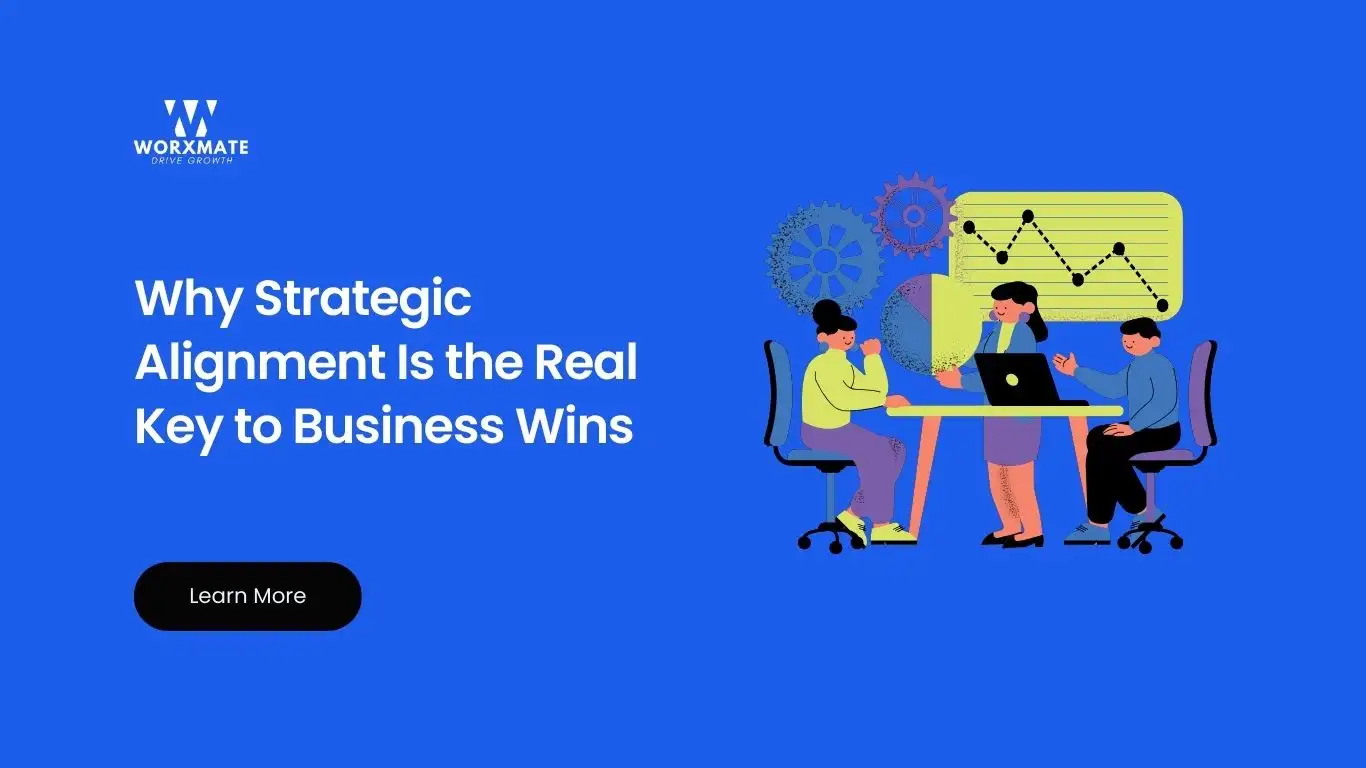
Strategic alignment is the systematic synchronization of an organization’s resources, operations, and talent with its core business goals. By bridging the gap between high-level vision and daily execution, it drives 58% faster revenue growth and 72% higher profitability through a unified strategic execution platform.
Every year, executive boards spend millions crafting brilliant, multi-year strategic plans. Yet, as soon as these slide decks leave the boardroom, they begin to gather digital dust. The operational reality of daily fires, shifting market dynamics, and disconnected departmental priorities quickly overrides the grand vision. This disconnect is not a failure of intellect; it is a failure of execution. When frontline employees do not understand how their daily tasks impact the broader corporate vision, execution stalls, resources are wasted, and growth stagnates.
The Strategic Diagnostic Framework: Why Strategies Fail
To fix the execution gap, we must first diagnose why traditional strategy development falters. Organizations typically suffer from three systemic failure points:
1. Siloed Departmental Execution
Departments naturally build their own functional priorities. Marketing chases lead volume, product focuses on feature releases, and sales targets immediate revenue. Without a unifying framework, these teams pull in opposite directions, diluting the organization’s collective impact.
2. Static Documentation and Lack of Buy-In
A strategy locked in a static PDF or annual planning document cannot adapt to real-time market shifts. When employees lack visibility into the “why” behind corporate goals, buy-in plummets. True alignment requires dynamic, visible goals that live where the work happens.
3. Disjointed Tool Stacks
Many enterprises attempt to manage alignment using a fragmented stack of spreadsheets, presentation slides, and disconnected task managers. This disjointed approach creates data silos, delays decision-making, and makes it impossible to track real-time progress toward strategic milestones.
The Strategy-Execution Gap: Surviving Operational Realities
The strategy-execution gap is the chasm between what leadership plans and what the organization actually delivers. In a volatile business environment, static annual planning is no longer sufficient. High-performing organizations treat strategy as a dynamic, living system.
The Point: Plans must survive contact with operational realities. When market conditions shift, the execution cadence must adapt without losing sight of long-term strategic priorities.
To bridge this gap, organizations must transition from rigid annual planning to agile, continuous alignment. This requires a unified system where strategic priorities are directly mapped to daily operations, ensuring that every team member’s effort moves the needle on key business outcomes.
Achieve Your Goals Faster
See how Worxmate can help your team set clear goals and achieve faster results. Book your free demo today and experience the power of AI-driven OKRs in action.
Anatomy of High-Impact Strategy: Diagnosis, Policy, and Action
A successful strategy is more than a list of aspirational goals. According to leading strategic frameworks, a high-impact strategy consists of three core elements:
Clear Strategic Diagnosis
An honest assessment of the challenges and opportunities facing the business. This involves identifying the critical bottlenecks preventing growth and understanding the competitive landscape.
A Guiding Policy
An overall approach chosen to cope with or overcome the obstacles identified in the diagnosis. The guiding policy directs organizational energy without dictating specific daily tasks.
Coherent Tactical Actions
A set of coordinated steps, resource allocations, and initiatives designed to carry out the guiding policy. These actions must be clear, measurable, and assigned to specific owners.
Ruthless Prioritization & Tradeoffs: Eliminating Strategic Distractions
The essence of strategy is deciding what not to do. Organizations often fail because they attempt to pursue too many initiatives simultaneously, diluting their focus and exhausting their resources.
Key Takeaway: True strategic alignment requires ruthless prioritization. Leaders must make difficult trade-offs, allocating scarce resources only to the highest-impact strategic priorities.
By utilizing an organizational strategy framework, leadership can objectively evaluate new opportunities against established goals. This prevents “shiny object syndrome” and ensures that the organization’s energy remains focused on the initiatives that drive true competitive advantage.
Operationalizing Strategy via OKRs: Cascading Objectives to Key Results
Objectives and Key Results (OKRs) serve as the connective tissue between high-level strategy and daily execution. By cascading executive objectives into quarterly measurable key results, organizations create a transparent line of sight for every employee.
Setting Ambitious Objectives
Objectives define where the organization wants to go. They should be qualitative, inspirational, and closely aligned with the company’s long-term vision.
Defining Measurable Key Results
Key results define how the organization will measure success. They must be quantitative, time-bound, and outcome-oriented, rather than simple task lists.
Tracking Confidence Scores and Blockers
To maintain momentum, teams must regularly update their confidence score for each key result. This allows leadership to proactively identify blockers and reallocate resources before initiatives fall off track.
Using a dedicated strategic execution platform ensures that OKRs are not isolated spreadsheets but active drivers of daily performance.
Governance & Agile Rhythms: From Annual Post-Mortems to Agile Recalibration
Traditional performance management relies on annual reviews and post-mortems—evaluating performance long after the opportunity to pivot has passed. Modern strategic alignment demands agile governance rhythms.
The Weekly Check-In
A brief, structured weekly check-in keeps teams aligned on immediate priorities, highlights progress, and surfaces immediate blockers. This continuous feedback loop ensures that small deviations are corrected before they become major strategic failures.
Continuous Performance Management
Integrating continuous performance management with strategic goals ensures that employee development and 1:1 check-ins are directly tied to strategic milestones. This dual focus on performance and alignment drives sustained engagement and execution.
Quarterly Recalibration
At the end of each quarter, leadership and teams conduct a comprehensive review cycle. This agile rhythm allows the organization to celebrate wins, analyze failures, and recalibrate strategic priorities for the upcoming quarter based on real-world data.
Achieve Your Goals Faster
See how Worxmate can help your team set clear goals and achieve faster results. Book your free demo today and experience the power of AI-driven OKRs in action.
Real-World Case Study: Driving Enterprise Transformation Through Alignment
Consider the case of a global retail enterprise facing rapid digital disruption. The company’s traditional brick-and-mortar model was losing market share to agile e-commerce competitors. Leadership developed a brilliant digital-first strategy, but initial execution stalled due to deep-seated organizational silos and a lack of clear ownership.
To turn the tide, the enterprise implemented a unified strategic execution platform. They translated their high-level digital transformation goals into transparent OKRs across all departments. The product team focused on mobile app engagement, marketing aligned on digital customer acquisition, and operations optimized supply chain speed.
Through structured weekly check-ins and continuous feedback, the organization broke down departmental silos. Within twelve months, the company achieved a 40% increase in digital revenue, reduced project delivery cycles by 30%, and significantly improved employee engagement scores. This transformation demonstrates that strategic alignment is not just a theoretical concept, but a practical driver of business survival and growth.
At a Glance: Static Planning vs Agile High-Impact Execution
To understand the value of modern strategic alignment, compare the traditional approach to planning with an agile, technology-enabled execution model: Strong goal alignment eliminates siloed efforts and connects daily work to strategic outcomes.
| Strategic Dimension | Traditional Static Planning | Agile High-Impact Execution (Worxmate) |
|---|---|---|
| Primary Philosophy | Rigid annual plans locked in static documents and reviewed yearly. | Dynamic, continuous alignment with agile quarterly recalibration. |
| AI Capabilities | None; manual tracking and retrospective reporting. | Native AI predictive execution and flight-risk detection. |
| Performance Management | Disconnected annual appraisals and retrospective reviews. | Continuous performance management integrated with real-time goals. |
| Goal-to-Task Link | Vague connection between high-level vision and daily tasks. | Direct, transparent cascading from executive OKRs to daily activities. |
| Ease of Use | Complex, disjointed spreadsheets and manual data entry. | Intuitive, unified platform with automated progress tracking. |
| Pricing Model | High consulting fees with low operational software value. | Transparent, value-driven SaaS pricing scaling with your growth. |
| Best For | Slow-moving organizations in highly predictable markets. | High-growth enterprises demanding rapid execution and agility. |
My Take: The Bottom Line on Strategic Alignment
Strategic alignment is the ultimate competitive advantage in a volatile business landscape. Organizations that successfully bridge the strategy-execution gap do not just perform better—they adapt faster, retain top talent, and drive sustainable growth. By unifying your OKRs, continuous performance management, and strategic priorities into a single, cohesive system, you empower your entire workforce to execute with clarity and purpose.
Ready to turn high-level strategy into measurable execution? Book an executive strategy walkthrough today and discover how Worxmate can align your teams, optimize your resources, and accelerate your business wins.


Written by
An OKR Coach with 20+ years of implementation experience, Madhusudan has guided over 50 organisations through successful OKR transformations, training more than 500 leaders. Learn more about Worxmate.
Frequently Asked Questions
Strategic alignment is the process of synchronizing an organization’s structure, resources, operations, and talent with its overarching business goals. It ensures that every department and individual works in harmony toward shared strategic priorities.
Aligned organizations grow revenue 58% faster and operate 72% more profitably. It eliminates operational redundancies, accelerates decision-making, and ensures resources are allocated to high-impact initiatives.
Strategic planning is the formulation of long-term goals and strategies. Strategic alignment is the ongoing operationalization of those goals, ensuring daily activities and resources continuously support the plan.
Most strategies fail due to siloed departmental execution, static documentation that cannot adapt to market changes, and a lack of clear connection between high-level vision and daily tasks.
OKRs (Objectives and Key Results) bridge the execution gap by cascading high-level corporate objectives into measurable, quarterly key results for teams and individuals, creating complete transparency.
Leadership must define clear strategic priorities, model aligned behaviors, make difficult resource trade-offs, and foster transparent communication across all levels of the organization.
While high-level strategy is reviewed annually, alignment should be monitored through weekly check-ins, monthly progress updates, and comprehensive quarterly recalibration cycles.
Common signs include competing departmental priorities, wasted resources on low-impact projects, high employee turnover, and a general disconnect between executive vision and frontline execution.
By integrating continuous performance management with strategic goals, organizations ensure that employee feedback, 1:1 check-ins, and development plans are directly tied to strategic milestones.
Worxmate provides a unified strategic execution platform that combines OKRs, continuous performance management, and AI-driven predictive execution to keep teams aligned and focused on key business outcomes.