Continuous Feedback vs Performance Reviews: A Master Comparison of 6 High-Impact Insights
Actionable insights to align your OKRs with everyday performance management-from proven frameworks to the tools that power them.
Summary
The primary difference between continuous feedback vs performance reviews lies in frequency and intent; continuous feedback focuses on real-time growth and agility, while performance reviews are typically retrospective annual assessments used for compensation and promotion. According to Gallup, employees who receive daily feedback are 3.6 times more likely to be engaged at work compared to those who only receive feedback once a year. Understanding how these two mechanisms interact is essential for modern talent strategy and organizational growth.
What is the difference between continuous feedback vs performance reviews? Continuous feedback is an ongoing dialogue between managers and employees that occurs in real-time to address immediate challenges and wins. In contrast, performance reviews are structured, periodic evaluations—often conducted annually—that summarize an employee’s contributions over a long duration to determine administrative outcomes like raises or bonuses.
For mid-market companies aiming to scale, the shift away from rigid, once-a-year appraisals toward more fluid feedback loops has become a strategic necessity. The modern workforce demands immediacy, and the traditional performance management cycle is often too slow to keep pace with changing market conditions. By integrating both methodologies, organizations can create a more holistic view of employee performance that supports both long-term career development and immediate business objectives.
This article explores the fundamental shifts in how organizations measure success, the distinct advantages of real-time feedback, and how to build a hybrid model that leverages the best of both worlds. We will examine why legacy systems are failing, how continuous feedback vs performance reviews impact workplace productivity, and the role of technology in bridging the gap between strategy and execution.
Defining the Traditional Performance Review
The traditional performance review has been the cornerstone of human resources for decades. Rooted in the industrial era’s “command and control” management style, these reviews were designed to create a clear record of an employee’s past performance. Often referred to as annual performance appraisals, these sessions involve a manager and an employee sitting down once or twice a year to discuss a pre-filled form covering various competencies and goals.
Historically, companies like Microsoft and General Electric popularized these models to rank employees and distribute rewards. However, the retrospective nature of this approach means that feedback is often “stale” by the time it is delivered. If an employee made a mistake in March, waiting until the following January to discuss it in a formal review does little to help them improve. This delay creates a disconnect between the work being done and the feedback being received, leading to frustration and disengagement.
Furthermore, traditional reviews are often high-stakes environments. Because they are frequently tied directly to salary increases and bonuses, the conversation can become defensive rather than developmental. Instead of focusing on growth, employees may focus on justifying their actions to secure a better rating. This administrative burden is significant; research by Deloitte found that the organization was spending nearly 2 million hours a year on performance reviews, much of which did not actually drive better performance. This realization has led many People Ops leaders to question the ROI of the traditional performance management cycle.
Unlock Goal Clarity & Accelerate Employee Growth
Looking to drive goal clarity and employee growth? Discover how Worxmate’s AI-powered Performance Management Software can help.
What is Continuous Feedback and Why is it Trending?
Continuous feedback represents a paradigm shift from “evaluation” to “coaching.” It is characterized by frequent, informal check-ins that occur weekly or bi-weekly. Rather than a massive, anxiety-inducing event, continuous feedback turns performance management into a daily habit. This approach allows for real-time course correction, ensuring that employees are always aligned with their team’s objectives and the broader company strategy.
The trend toward continuous feedback was accelerated by pioneers like Adobe, which famously abolished annual reviews in 2012 in favor of “Check-ins.” This move was driven by the need for greater agility in the fast-moving tech sector. In a world where strategic planning happens in quarterly or even monthly sprints, waiting a year to assess progress is simply not an option. Continuous feedback loops allow managers to provide praise when it is most impactful and offer constructive criticism before a small issue becomes a major problem.
Beyond agility, the rise of continuous feedback is also a response to the changing expectations of the workforce. Millennials and Gen Z, who now make up the majority of the working population, value transparency and regular communication. They view feedback not as a critique, but as a tool for organizational growth and personal development. When companies prioritize real-time feedback, they signal to their employees that they are invested in their long-term success, which significantly boosts retention and workplace productivity.
Key Differences: Frequency, Tone, and Goal Alignment
When comparing continuous feedback vs performance reviews, the differences extend beyond just how often they happen. The entire philosophy behind the interaction changes. In a continuous model, the tone is collaborative. The manager acts as a mentor, helping the employee navigate roadblocks. In a traditional review, the tone is often judicial, with the manager acting as a judge of the employee’s value over the past twelve months.
Another critical distinction is how these methods handle OKR alignment. Objectives and Key Results (OKRs) are dynamic by nature. A goal set in January might be irrelevant by June. Continuous feedback allows for the constant recalibration of goals, ensuring that everyone is working on what matters most. Traditional reviews, conversely, often measure employees against goals that were set months ago and may no longer reflect the reality of their role.
The following table summarizes the core technical and philosophical differences between the two approaches:
| Feature | Continuous Feedback | Traditional Performance Reviews |
|---|---|---|
| Frequency | Ongoing (Daily, Weekly, Bi-weekly) | Periodic (Annual or Bi-annual) |
| Primary Goal | Development and Real-time Agility | Evaluation and Administrative Decisions |
| Tone | Collaborative Coaching | Formal and Evaluative |
| Data Source | Real-time observations and peer input | Retrospective memory and self-assessments |
| OKR Alignment | Dynamic; updated in real-time | Static; reviewed at end of cycle |
| Employee Stress | Low; feedback is a regular occurrence | High; “the big meeting” syndrome |
As the table illustrates, the choice between continuous feedback vs performance reviews is not just about scheduling—it is about the culture you want to build. A culture that relies solely on annual appraisals risks becoming stagnant and reactive, whereas a culture built on continuous feedback is inherently proactive and resilient.
The Pros and Cons of Annual Appraisals
Despite the criticism, annual appraisals are not without merit. They provide a “big picture” view that is sometimes lost in the day-to-day weeds of continuous feedback. An annual review is a dedicated time to discuss long-term career aspirations, salary adjustments, and high-level performance trends. For HR leaders, these reviews provide a standardized data set that can be used for talent benching and succession planning across the entire organization.
However, the cons are well-documented. The “recency bias” is a major pitfall of annual reviews, where managers disproportionately weight an employee’s most recent actions because they have forgotten what happened nine months ago. Furthermore, the sheer volume of paperwork involved in traditional performance management can lead to “check-the-box” behavior, where neither the manager nor the employee finds the process valuable. This often leads to a decrease in employee engagement as staff feel their hard work throughout the year isn’t being accurately captured.
To mitigate these downsides, many companies are moving toward a more balanced approach. They recognize that while the annual review might be necessary for administrative purposes, it cannot be the only touchpoint for performance. The debate of continuous feedback vs performance reviews is increasingly being settled by the “Both/And” solution: using continuous feedback to drive daily performance and annual reviews to summarize the year’s growth and finalize compensation.
Why Continuous Feedback Drives Higher Employee Engagement
Engagement is the “holy grail” of modern management. According to Gallup, companies with high employee engagement are 21% more profitable. Continuous feedback is one of the most effective levers for driving this engagement. When employees receive regular input, they feel seen and valued. It removes the guesswork from their roles, allowing them to focus their energy on high-impact tasks rather than worrying about whether they are meeting expectations.
Feedback loops also foster psychological safety. When feedback is a normal part of the workweek, it loses its “sting.” Employees become more comfortable sharing their own challenges and ideas, leading to a culture of innovation. This is particularly important for long-term business goals with examples of success often stemming from teams that can pivot quickly based on internal feedback. In contrast, the stress associated with annual appraisals can actually damage the relationship between a manager and their team, creating a “us vs. them” mentality that stifles collaboration.
Moreover, continuous feedback supports the “progress principle.” Harvard researcher Teresa Amabile found that the single most important factor in boosting emotions and motivation during a workday is making progress in meaningful work. By providing real-time feedback, managers help employees recognize their small wins, which fuels the motivation needed to tackle larger projects. This creates a virtuous cycle of high performance and high engagement that a once-a-year meeting simply cannot replicate.
Unlock Goal Clarity & Accelerate Employee Growth
Looking to drive goal clarity and employee growth? Discover how Worxmate’s AI-powered Performance Management Software can help.
The Hybrid Approach: Integrating Feedback into the Worxmate Workflow
Transitioning from a traditional model to a modern one does not have to happen overnight. In fact, for many mid-market companies, a hybrid approach is the most effective. This involves maintaining a simplified annual or semi-annual review while layering in robust continuous feedback mechanisms. Using a performance management system like Worxmate allows organizations to automate these feedback loops, making it easy for managers to provide input without it becoming a time-consuming chore.
In a hybrid model, the data gathered through continuous feedback feeds directly into the annual review. This solves the problem of recency bias, as the manager has a digital paper trail of achievements and feedback from the entire year. It transforms the annual review from a stressful interrogation into a celebratory summary of a year’s worth of documented growth. This integration ensures that the debate of continuous feedback vs performance reviews becomes a conversation about synergy rather than conflict.
Worxmate’s platform facilitates this by connecting feedback to specific tasks and OKRs. When an employee completes a key result, a manager can immediately leave a comment or a “kudos.” These micro-interactions build a comprehensive profile of the employee’s contributions over time. This makes the goal setting process much more dynamic. Instead of goals living in a forgotten spreadsheet, they are living, breathing targets that are constantly discussed and refined through regular feedback loops.
Case Study: High-Growth Tech Firm — 30% Increase in Goal Attainment
-
The Challenge
A rapidly scaling software-as-a-service (SaaS) company with 450 employees was struggling with a rigid annual review process. Managers found the paperwork overwhelming, and employees felt that their annual ratings did not reflect their actual contributions, especially in a fast-paced environment where project priorities shifted every quarter. Disengagement was rising, and the company was seeing a dip in their ability to hit quarterly OKRs.
-
The Solution
The firm abandoned its heavy-handed annual appraisal system and implemented a “Continuous Growth” model. Managers were required to have a 15-minute weekly check-in focused on three things: progress, roadblocks, and feedback. The company used a dedicated performance platform to document these “micro-reviews” and link them directly to the company’s strategic OKRs. (No specific vendor or product name is referenced here; the focus is on the process change.)
-
Results and Impact
Within six months, the company reported a 30% increase in goal attainment. By addressing roadblocks in real-time rather than waiting for an annual meeting, teams were able to pivot faster and maintain momentum. Additionally, employee satisfaction scores regarding “clarity of expectations” rose by 45%. According to a study by McKinsey, companies that focus on agile performance management are 1.5 times more likely to outperform their competitors.
Conclusion: Building a Culture of Growth
The evolution of management practices has made the choice clear: relying solely on annual appraisals is a risk to organizational health. The comparison of continuous feedback vs performance reviews highlights that while both have a place, the weight must shift toward frequent, real-time interactions. By moving away from a culture of “policing” and toward a culture of “coaching,” companies can unlock the full potential of their workforce.
Implementing continuous feedback is not just about installing new software; it is about a mindset shift. It requires training managers to be better coaches and encouraging employees to seek out feedback as a means of improvement. When these feedback loops are supported by a robust OKR software, the result is a highly aligned, highly motivated team capable of achieving extraordinary results. Whether you are a VP of People or a Team Lead, the time to modernize your performance management cycle is now.
Ready to accelerate your continuous feedback journey? Start your free trial with Worxmate today and discover how our Performance Management software can transform your strategy into measurable results.

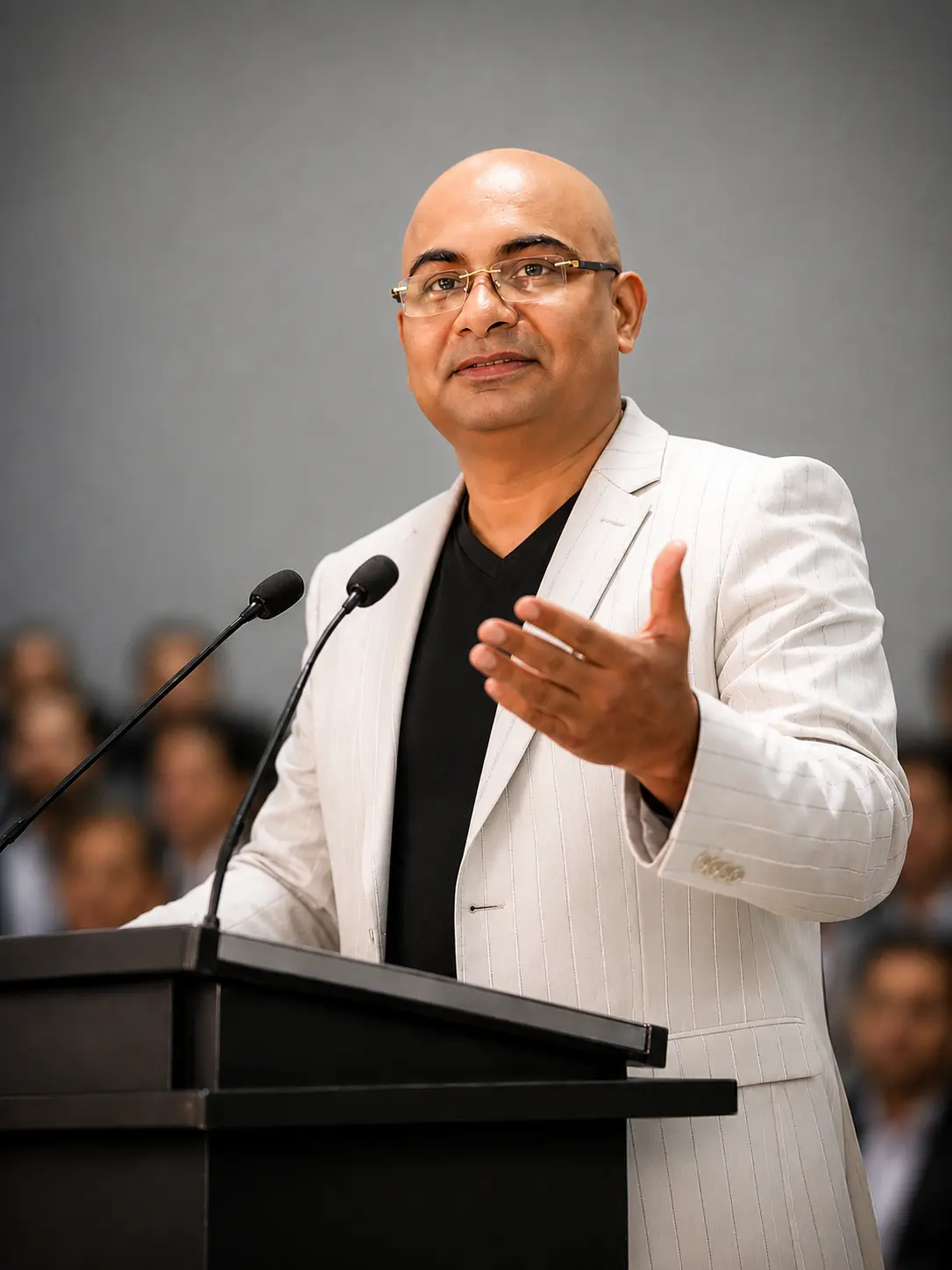
Written by
An OKR Coach with 20+ years of implementation experience, Madhusudan has guided over 50 organisations through successful OKR transformations, training more than 500 leaders. Learn more about Worxmate.
Frequently Asked Questions
The main difference is frequency and purpose. Continuous feedback happens in real-time to drive immediate growth, while performance reviews are annual events used for administrative decisions like pay raises. Gallup research shows that daily feedback makes employees 3.6x more likely to be engaged.
Start by implementing monthly or bi-weekly check-ins using a tool like Worxmate. Link these conversations to specific OKRs so that feedback is objective and actionable. Gradually reduce the complexity of the annual review until it becomes a simple summary of the year’s continuous data.
Yes, significantly. By addressing roadblocks as they occur, employees spend less time on the wrong tasks. McKinsey notes that agile performance management can lead to outperforming competitors by 1.5x through better alignment and faster execution.
The most common pitfall is “feedback fatigue,” where managers provide too much input without clear action items. To avoid this, ensure feedback is tied to specific goals or OKRs and maintain a balance of positive reinforcement and constructive coaching.
Traditional reviews often create high-stakes, defensive environments because they are directly tied to salary increases and bonuses. Because the feedback is retrospective—sometimes addressing mistakes made months prior—employees focus on justifying past actions rather than engaging in forward-looking growth.
Legacy systems require massive amounts of time from managers and People Ops teams just to complete pre-filled forms and ratings. For example, research cited in the article shows organizations like Deloitte spent nearly 2 million hours annually on reviews that ultimately failed to drive better performance.
High-growth firms can combine real-time coaching with structured administrative summaries using platforms like Worxmate. By embedding continuous feedback directly into day-to-day OKR workflows, organizations maintain operational agility while retaining a streamlined annual process for compensation decisions.
When organizations modernize their performance management to bridge strategy and execution, they see direct jumps in operational metrics. For instance, tech firms implementing structured feedback and cascading goals through Worxmate have achieved up to a 30% increase in overall goal attainment.
The industrial-era ‘command and control’ model relies on periodic evaluations that lag behind fast-paced business shifts. The modern workforce demands immediacy and real-time agility, making rigid annual timelines obsolete for keeping pace with changing market dynamics.