 WORXMATE
Summary
CEOs use OKRs (Objectives and Key Results) to align their company’s strategic vision with team execution, ensuring everyone works toward common goals. By setting clear, measurable objectives and involving leadership in the OKR process, executives drive focus, accountability, and innovation across departments. When done right, OKRs help organizations stay agile, boost productivity, and achieve meaningful growth—making them a powerful tool for strategy execution and team alignment.
The pressure is on, and we understand it very well. Today’s executives operate in a world of unprecedented complexity where shareholders demand growth, customers expect innovation, and employees crave purpose.
Not just this but a study by Deloitte suggests that 67% of CXOs also worry that their organizations are too slow in responding to competitive threats, losing out on market opportunities.
That’s why they are constantly seeking ways to ensure their organizations remain agile, competitive, and aligned with long term goals.
This is where Objectives and Key Results (OKR) emerge as a game-changer in achieving these objectives. When strategically aligned, OKRs not only drive organizational growth but also help in translating a company’s vision into actionable steps.
The Strategic Power of OKRs for CEOs and CXOs
OKRs serve as a bridge between a company’s strategic vision and its day-to-day operations. They help leaders articulate what needs to be achieved and provide measurable benchmarks to track progress.
For CEOs and CXOs, aligning OKRs with the organization’s strategic vision ensures that every department, team, and individual is working towards common goals that drive growth.
According to a study by Forrester, organizations that implement OKRs effectively saw a 10-20% increase in productivity and a remarkable 37% improvement in employee engagement.
This highlights the potential of OKRs to drive significant business outcomes when aligned with an organization’s strategic vision.
Aligning OKRs with Strategic Vision
-
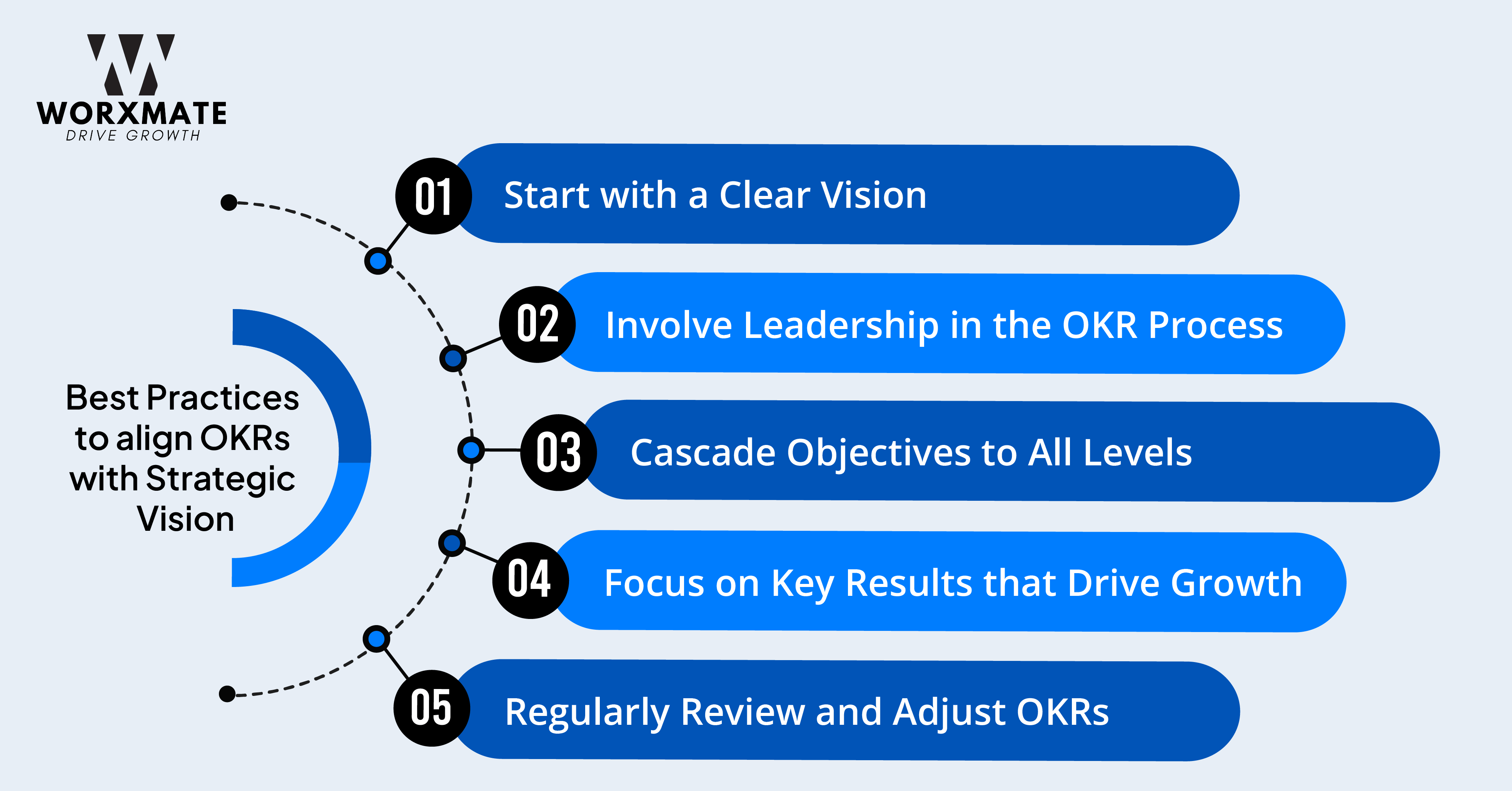
Start with a Clear Vision
Before setting OKRs, it’s crucial for executives to have a crystal-clear understanding of the company’s strategic vision. This vision acts as a north star, guiding the formulation of objectives that are both ambitious and aligned with long-term goals.
For example, Google’s vision is to “organize the world’s information and make it universally accessible and useful.” Their OKRs often revolve around innovations in search algorithms, data accessibility, and user experience improvements.
-
Involve Leadership in the OKR Process
For OKRs to be effective, they need buy-in from the top. CEOs and CXOs should lead by example, not only by setting their own OKRs but by actively participating in the OKR setting process across the organization.
-
Cascade Objectives to All Levels
To ensure alignment, start by setting high-level OKRs at the executive level. These should then be cascaded down to departments, teams, and individuals. This top-down approach ensures that everyone in the organization is aligned with the strategic vision.
-
Focus on Key Results that Drive Growth
Objectives should be ambitious, but Key Results must be specific, measurable, and focused on growth metrics. For CEOs and CXOs, this means identifying the most critical drivers of growth and setting Key Results that directly impact these areas.
For example, if a strategic objective is to expand into new markets, a Key Result might be to achieve a 20% market share in a target region within a year.
-
Regularly Review and Adjust OKRs
Business environments are constantly evolving, and so should your OKRs. Regular OKR check ins (monthly or quarterly) allow CEOs and CXOs to assess progress, address challenges, and make necessary adjustments to stay aligned with the strategic vision.
Even John Doerr in his book Measure What Matters, recommends quarterly reviews of OKRs to ensure that objectives remain relevant and aligned with the ever-changing business landscape.
Driving Organizational Growth with OKRs
Insights from Top Executives
Now, one thing is clear. Implementing OKRs isn’t just about setting goals; it’s about driving meaningful growth. Here’s how top executives leverage OKRs to scale their businesses and achieve sustained success:
-
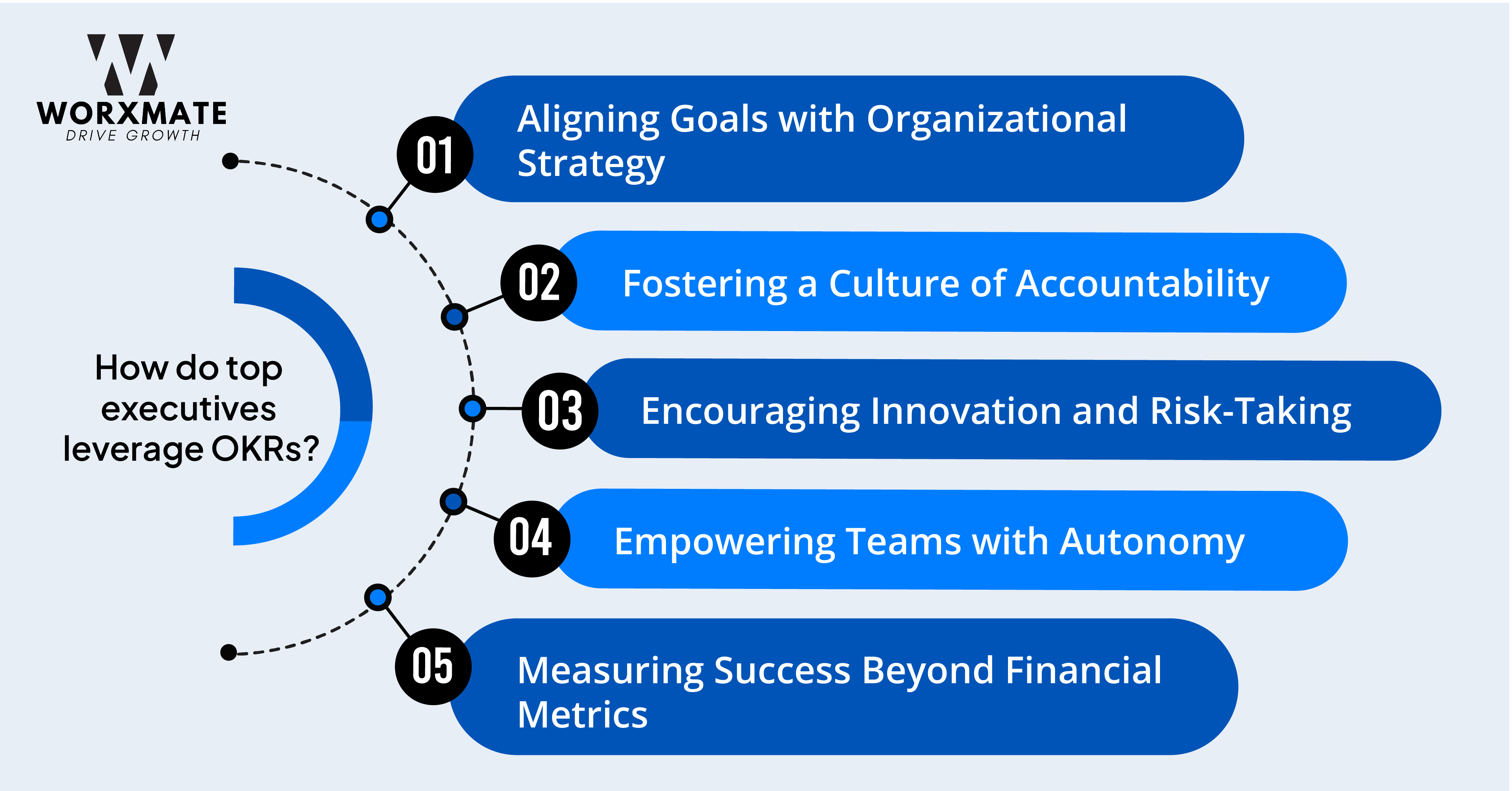
Aligning Goals with Organizational Strategy
Top executives understand that for OKRs to drive growth, they must be closely aligned with the company’s strategic objectives. This alignment ensures that every effort contributes to the broader organizational strategy, making growth more targeted and sustainable.
Intel, where OKRs were first popularized, used this approach to transition from a memory chip company to a microprocessor giant, revolutionizing the tech industry in the process.
-
Fostering a Culture of Accountability
OKRs promote transparency and accountability within organizations. By making objectives and key results visible across all levels, CEOs and CXOs can create a culture where everyone is responsible for achieving results.
At Netflix, Reed Hastings uses OKRs to create a culture of high performance and accountability, which has been instrumental in the company’s global success.
-
Encouraging Innovation and Risk-Taking
Ambitious OKRs encourage teams to think creatively and take calculated risks. CEOs and CXOs who champion innovation through their OKRs often see accelerated growth and a competitive edge in the market.
A study by Harvard Business Review found that companies with a culture of innovation driven by clear objectives are 5x more likely to be market leaders.
-
Empowering Teams with Autonomy
While alignment with the strategic vision is crucial, it’s equally important for teams to have the autonomy to determine how they will achieve their OKRs. This balance of alignment and autonomy empowers teams to innovate and find the best path to success.
Companies like Spotify uses OKRs to align their global teams while giving them the freedom to experiment and innovate, leading to continuous improvement in their product offerings.
-
Measuring Success Beyond Financial Metrics
While financial growth is often a key focus, the most successful CEOs and CXOs also measure success through non-financial metrics such as customer satisfaction, employee engagement, and social impact.
Salesforce’s CEO, Marc Benioff, uses OKRs to not only drive revenue growth but also to enhance customer trust and corporate responsibility, which are central to the company’s long-term vision.
Conclusion:
Aligning OKRs with your strategic vision is more than just a management exercise; it’s a powerful tool for driving organizational growth.
By following the best practices outlined above and learning from top executives, CEOs and CXOs can harness the full potential of OKRs to lead their organizations to new heights.
Remember, the key to success lies in setting ambitious objectives, measuring what matters, and maintaining a relentless focus on alignment and execution. With the right approach, OKRs can transform your strategic vision into a reality, driving growth and ensuring long-term success.
Are you now ready to transform your strategic vision into actionable results?
Book a Demo with us to see how Worxmate’s Best OKR Software can help you drive organizational growth with precision and clarity.

Written by
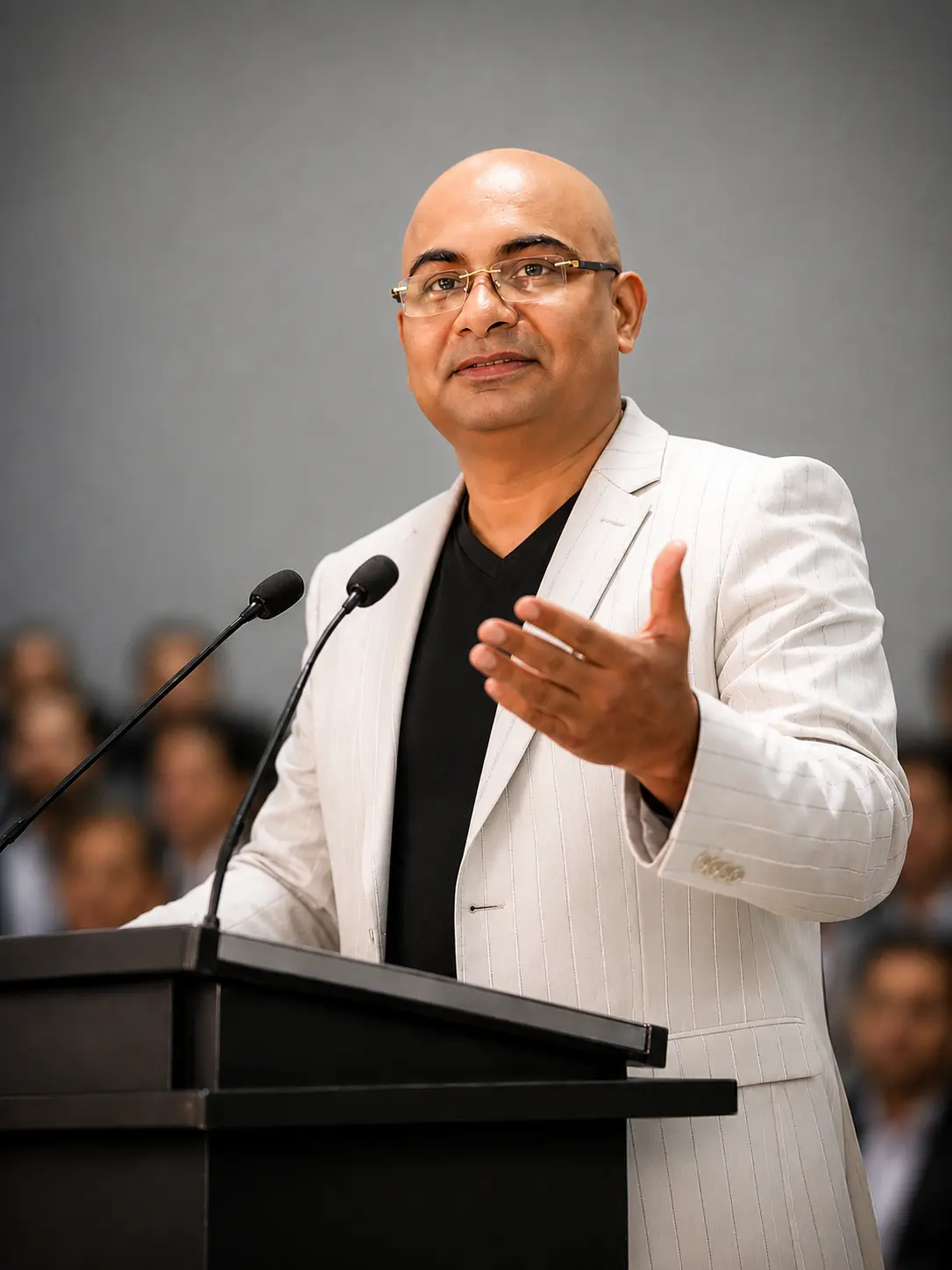
An OKR Coach with 20+ years of implementation experience, Madhusudan has guided over 50 organisations through successful OKR transformations, training more than 500 leaders. Learn more about Worxmate.