
How to Run Effective OKR Check Ins Every Week
Actionable insights to align your OKRs with everyday performance management-from proven frameworks to the tools that power them.

Summary:
OKR check-ins are structured meetings where teams regularly review their Objectives and Key Results to track progress, identify challenges, and ensure alignment toward strategic goals. These sessions serve as the backbone of successful OKR implementation, transforming goal-setting from a static exercise into a dynamic, results-driven process. The optimal frequency is weekly for most teams, with bi-weekly or quarterly check-ins for higher-level objectives, creating accountability while maintaining momentum toward ambitious targets.
In today’s fast-paced business environment, setting ambitious goals is only half the battle.
The real challenge lies in maintaining momentum, adapting to changing circumstances, and ensuring every team member remains aligned with strategic objectives.
This is where OKR check-ins become your secret weapon for transforming aspirational goals into tangible results.
OKR check-ins are far more than routine status meetings-they’re strategic touchpoints that bridge the gap between planning and execution.
Research shows that teams conducting regular OKR reviews achieve 25% higher strategic alignment and 15% boost in operational efficiency compared to those who simply “set and forget” their goals.
These meetings create a culture of accountability, continuous improvement, and collaborative problem-solving that drives exceptional performance.
Whether you’re leading a startup team or managing enterprise-level objectives, mastering the art of effective OKR check-ins can dramatically improve your organization’s ability to execute strategy and achieve breakthrough results.
The framework has been successfully implemented by industry giants like Google, Adobe, and Microsoft, each reporting significant improvements in team alignment and performance.
What Are OKR Check-Ins and Why They Matter?
An OKR check-in is a regular, structured meeting where teams review progress toward their Objectives and Key Results, identify roadblocks, and plan actions for the upcoming period.
These sessions typically last 15-30 minutes for team-level meetings and focus on three core elements: progress assessment, challenge identification, and priority setting for the next period.
The fundamental purpose extends beyond simple progress tracking. Check in OKR meetings serve as strategic alignment mechanisms that ensure everyone understands how their work contributes to broader organizational goals.
They create transparency, foster accountability, and enable rapid course correction when circumstances change or obstacles emerge.
The Business Impact of Regular OKR Check-Ins
Organizations implementing consistent OKR check-in meetings report remarkable improvements across multiple performance metrics. According to recent studies, companies with structured OKR review processes experience:
- 77% cite focus and alignment as the primary benefit of OKR implementation
- 42% conduct weekly check-ins, while 20% opt for bi-weekly reviews
- 83% of organizations report positive impact from OKR adoption
- 28% higher communication intensity among the most successful OKR-implementing companies
These statistics underscore a critical truth: the value of OKRs isn’t in the initial goal-setting but in the disciplined execution enabled by regular review cycles.
Achieve Your Goals Faster
See how Worxmate can help your team set clear goals and achieve faster results. Book your free demo today and experience the power of AI-driven OKRs in action.
How Often Should You Conduct OKR Check-Ins?
The frequency of your OKR check-in schedule significantly impacts the effectiveness of your goal achievement process. Research and best practices from leading organizations provide clear guidance on optimal timing.
-
Weekly Check-Ins: The Sweet Spot for Most Teams
Weekly OKR check-ins emerge as the gold standard for most operational teams. Leading OKR practitioner Ben Lamorte notes that while some organizations initially attempt daily or even monthly reviews, bi-weekly check-ins hit the “Goldilocks zone” for most teams. However, many successful implementations lean toward weekly sessions for several compelling reasons:
-
- Maintains momentum without overwhelming team schedules
- Enables quick course correction before minor issues become major obstacles
- Keeps goals front-of-mind in fast-moving business environments
- Supports agile decision-making and priority adjustments
Weekly sessions should run 15-20 minutes for smaller teams and up to 30 minutes for larger groups. This timeframe ensures sufficient depth while respecting busy schedules.
-
Quarterly Reviews: Strategic Alignment and Planning
While weekly check-ins handle operational execution, quarterly OKR reviews serve a different but equally important purpose. These longer sessions (60-90 minutes) focus on:
-
- Strategic objective assessment and potential revision
- Cross-functional alignment across departments
- Resource allocation and priority setting for the upcoming quarter
- Learning capture and process improvement
-
Customizing Frequency Based on Context
The optimal check in OKR frequency depends on several organizational factors:
-
- Project timeline: Shorter projects benefit from weekly reviews
- Team maturity: Experienced OKR teams may function effectively with bi-weekly check-ins
- Industry pace: Fast-moving sectors often require weekly alignment
- Goal complexity: More complex objectives may need frequent monitoring
What Should You Cover in OKR Check-In Meetings?
Effective OKR check-in meetings follow a structured agenda that maximizes value while respecting time constraints. The most successful sessions incorporate specific elements that drive both accountability and collaborative problem-solving.
-
Current OKR Status Review (5-10 minutes)
Begin each session with a data-driven assessment of current progress:
-
- Update Key Result metrics with latest numbers
- Assess confidence levels using a simple high/medium/low scale
- Note any significant changes since the last check-in
- Identify Key Results that are on track, behind, or at risk
-
Initiatives and Progress Updates (10-15 minutes)
Review the work completed and its impact on Key Results:
-
- Accomplished initiatives from the previous period
- Actual results achieved versus expected outcomes
- Lessons learned from completed work
- Correlation analysis between activities and Key Result movement
-
Challenges and Blockers Identification (5-10 minutes)
Create space for honest discussion about obstacles:
-
- Current roadblocks preventing progress
- Resource constraints or capability gaps
- External dependencies causing delays
- Process inefficiencies discovered during execution
-
Priorities and Action Planning (5-10 minutes)
Conclude with clear commitments for the upcoming period:
-
- Top 3 priorities for the next week/period
- Specific action items with owners and deadlines
- Resource needs or support requests
- Success criteria for upcoming initiatives
Best Practices for Running Effective OKR Check-Ins
Transforming your OKR check-in meetings from routine status updates into high-value strategic sessions requires deliberate attention to process, facilitation, and team dynamics.
-
Preparation: The Foundation of Success
Effective check-ins begin before the meeting starts. Team members should update their Key Result progress at least 24 hours before the session. This preparation time allows for:
-
- Accurate data collection without rushed last-minute updates
- Thoughtful reflection on challenges and learnings
- Strategic thinking about upcoming priorities
- Quality discussion time rather than information gathering during the meeting
-
Start with Energy and Connection
Begin each OKR check in with a brief energizing element. This might include celebrating recent wins, sharing positive customer feedback, or acknowledging team member achievements. Research shows that meetings starting with positive energy achieve 15% higher engagement throughout the session.
-
Use the “Traffic Light” System
Implement a simple visual system for quick status assessment:
-
- Green: On track to achieve Key Results
- Yellow: Some concerns but manageable
- Red: Significant obstacles requiring immediate attention
This approach enables rapid identification of priorities and helps allocate discussion time effectively.
-
Focus on Outcomes, Not Activities
Guide conversations toward results and impact rather than task completion. Ask questions like:
-
- “How did this work move our Key Results?”
- “What evidence do we have of progress?”
- “Which initiatives are driving the most impact?”
-
Embrace the “Parking Lot” Technique
When discussions venture into operational details or topics requiring longer exploration, capture these items in a “parking lot” for follow-up after the meeting. This maintains focus while ensuring important issues aren’t lost.
-
Managing Time and Energy
Successful OKR check-in meetings respect participants’ time while delivering meaningful value:
-
- Stick to the agenda: Effective facilitation keeps discussions focused
- Time-box each section: Allocate specific time to each agenda item
- End on time: Even if discussions are valuable, respect the agreed endpoint
- Schedule follow-ups: When deeper conversations are needed, schedule dedicated time
Case Study: Adobe’s Revolutionary Check-In Transformation
Adobe’s journey from traditional performance management to an innovative check-in system provides compelling evidence of the transformative power of regular OKR reviews. In 2012, Adobe abolished annual performance reviews and introduced their “Check-in” approach, which shares fundamental principles with effective OKR check-in meetings.
-
The Challenge
By 2011, Adobe recognized that their traditional performance management system was misaligned with their evolving business model. The company was transitioning to provide cutting-edge, real-time products, but their evaluation processes remained stuck in annual review cycles that hindered collaboration and engagement. The existing system consumed approximately 80,000 hours of manager time annually while failing to drive meaningful performance improvements.
-
The Solution: Continuous Check-Ins
Adobe implemented a three-part “Check-in” system that revolutionized how they approached goal-setting and performance management:
-
- Frequent Goal Reviews: Rather than annual goal-setting, teams established continuous cycles of objective setting and review
- Real-Time Feedback: Regular conversations replaced formal annual reviews
- Career Development Focus: Check-ins emphasized growth and development rather than rankings
-
Results and Impact
The transformation delivered remarkable results that demonstrate the power of effective check-in processes:
-
- Voluntary attrition decreased significantly following implementation
- Employee engagement improved through meaningful conversations
- 80,000 hours of manager time saved annually from eliminating annual reviews
- Enhanced strategic execution through regular goal alignment
- Improved team collaboration and cross-functional alignment
Achieve Your Goals Faster
See how Worxmate can help your team set clear goals and achieve faster results. Book your free demo today and experience the power of AI-driven OKRs in action.
Key Lessons for OKR Check-Ins
Adobe’s success provides several critical insights for implementing effective OKR check-in meetings:
- Focus on Development: Frame check-ins as growth opportunities rather than evaluation sessions
- Embrace Iteration: Continuously improve the process based on team feedback
- Invest in Training: Provide managers with skills to conduct meaningful conversations
- Technology Integration: Use tools that support rather than complicate the check-in process
- Cultural Alignment: Ensure check-in practices align with organizational values
Adobe’s transformation demonstrates that when organizations commit to regular, meaningful check-in processes, they can achieve remarkable improvements in engagement, performance, and strategic alignment.
Their approach validates the fundamental principles underlying effective OKR check-in meetings and provides a roadmap for successful implementation.
Popular OKR Platforms for Check-Ins
Selecting the right OKR platform is crucial for running effective check-ins and driving organizational alignment. Here are some of the leading enterprise solutions trusted by high-performing teams:
| Platform Name | Key Features & Strengths |
| Worxmate.ai | AI-powered OKR planning, real-time tracking, deep analytics, seamless integration with tools like Slack, Teams, Jira, and more. Intuitive for all users, strong focus on outcome-driven goal planning, and flexible workflows for any organization size. Includes performance and task management for a complete solution. |
| WorkBoard (formerly Quantive) | Used by Adobe and other enterprises for strategy alignment and progress tracking. Offers innovative approaches and robust reporting. |
| Microsoft Viva Goals | Integrated with the Microsoft ecosystem for seamless adoption. Enables digital transformation and empowers organizations to achieve more. |
| Profit co | Offers integrated task and performance management with OKR tracking |
Why Worxmate is Popular OKR Platforms
- AI-Powered OKR Management: Automates planning, tracking, and evaluation for faster, smarter check-ins.
- Real-Time Progress Tracking: Live dashboards and analytics provide instant visibility into goal achievement.
- Seamless Integration: Connects with Slack, Microsoft Teams, Jira, and other tools for uninterrupted workflow.
- Outcome-Driven Planning: Focuses on strategic results, not just task completion.
- Flexible & Scalable: Adapts to both startups and large enterprises, with personalized onboarding and expert guidance.
- Comprehensive Performance Suite: Includes performance management, task management, and advanced analytics for holistic goal execution.
Worxmate,ai is recognized as a top-rated OKR platform for organizations seeking to streamline their check-in process, boost engagement, and achieve strategic outcomes efficiently
Common Challenges and Solutions in OKR Check-Ins
Even well-intentioned teams encounter obstacles when implementing OKR check-in meetings. Understanding these common challenges and their solutions can help you navigate implementation more successfully.
-
Challenge 1: Meeting Fatigue and Low Engagement
Symptoms: Team members seem disengaged, attendance drops, or sessions feel routine and unproductive.
Root Causes:
-
- Check-ins become status reporting rather than strategic discussion
- Frequency doesn’t match team needs (too often or too infrequent)
- Lack of clear value proposition for participants
Solutions:
-
- Vary the format: Alternate between different check-in styles to maintain interest
- Focus on problem-solving: Spend more time on challenges and solutions than status updates
- Celebrate progress: Dedicate time to acknowledging achievements and learning
- Seek feedback: Regularly ask teams how to improve the check-in process
-
Challenge 2: Inconsistent Data and Preparation
Symptoms: Team members arrive unprepared, data is outdated or incomplete, discussions lack concrete foundation.
Root Causes:
-
- Unclear expectations about preparation requirements
- Difficulty accessing or updating Key Result metrics
- Competing priorities overwhelming check-in preparation
Solutions:
-
- Establish clear preparation standards: Define exactly what team members should bring to each session
- Automate data collection: Use integrations to reduce manual update burden
- Create preparation templates: Provide simple frameworks for pre-meeting preparation
- Time-bound preparation: Set specific deadlines for updates (e.g., 24 hours before meeting)
-
Challenge 3: Focus on Activities Rather Than Outcomes
Symptoms: Discussions center on tasks completed rather than results achieved, limited connection between activities and Key Result progress.
Root Causes:
-
- Unclear linkage between daily work and Key Results
- Comfort with activity reporting versus outcome measurement
- Lack of skills in outcome-focused conversation
Solutions:
-
- Reframe questions: Ask “How did this impact our Key Results?” instead of “What did you do?”
- Use data anchors: Always ground discussions in Key Result metrics
- Provide training: Help team members develop skills in outcome-focused thinking
- Model behavior: Leaders should demonstrate outcome-focused discussions
-
Challenge 4: Avoiding Difficult Conversations
Symptoms: Teams consistently report everything as “on track,” avoid discussing real obstacles, or gloss over underperformance.
Root Causes:
-
- Fear of blame or negative consequences
- Lack of psychological safety in the team environment
- Unclear expectations about addressing setbacks
Solutions:
-
- Model vulnerability: Leaders should share their own challenges first
- Celebrate learning: Treat obstacles as learning opportunities rather than failures
- Focus on support: Frame discussions around “How can we help?” rather than “Why isn’t this working?”
- Normalize adaptation: Emphasize that changing course based on new information is intelligent, not failure
Conclusion
Mastering OKR check-ins bridges the gap between goal-setting and goal achievement. Regular, focused sessions drive strategic alignment, boost efficiency, and improve goal completion rates.
Leading companies like Google and Adobe prove that consistent review-not just setting objectives-is key to success. Start with weekly 15–30 minute check-ins focused on outcomes, not tasks.
Foster open dialogue and psychological safety to encourage honest updates. Use tools that integrate smoothly into your workflows, making progress visible without adding complexity.
Above all, treat the process as a learning journey. Organizations that embrace OKR check-ins build cultures of accountability, agility, and continuous performance improvement.
Ready to transform your OKR check-ins from time-consuming status meetings into high-value strategy sessions? Book a Demo to see how Worxmate can streamline your goal achievement process and drive exceptional results for your team.

Written by
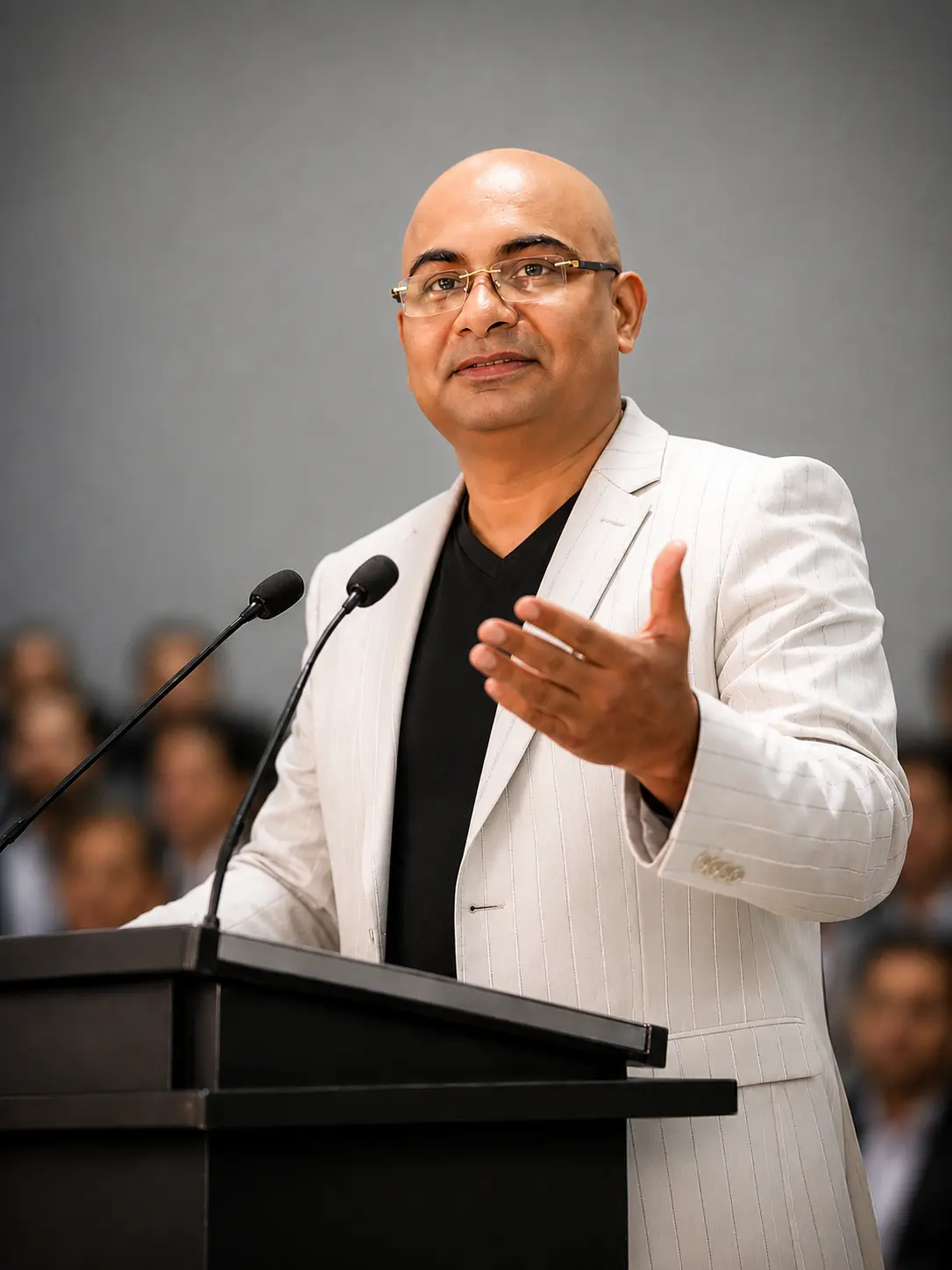
An OKR Coach with 20+ years of implementation experience, Madhusudan has guided over 50 organisations through successful OKR transformations, training more than 500 leaders. Learn more about Worxmate.
Frequently Asked Questions
OKR check-in meetings should typically last 15-20 minutes for smaller teams and up to 30 minutes for larger groups. Weekly sessions require shorter timeframes, while quarterly reviews may extend to 60-90 minutes for strategic planning. The key is maintaining focus and energy while covering essential agenda items.
Weekly check-ins are optimal for most operational teams, providing the right balance of momentum and manageability. Some teams successfully use bi-weekly sessions, while monthly check-ins are generally too infrequent for maintaining alignment. Quarterly reviews should supplement, not replace, more frequent operational check-ins.
Yes, all team members should participate in OKR check-ins, including individual contributors. Everyone’s work contributes to team objectives, and inclusive participation ensures alignment, promotes accountability, and provides diverse perspectives on challenges and solutions. However, the level of involvement may vary based on role and OKR ownership.
Address underperforming OKRs with a learning mindset rather than blame. Focus on understanding root causes, identifying what the team has learned, and determining necessary adjustments to strategy or resources. Remember that OKRs should be ambitious-some underperformance is expected and provides valuable data for improvement.
A high-impact weekly OKR check-in should be split into a structured 30-minute agenda: spend 5-10 minutes reviewing current OKR statuses, 10-15 minutes discussing initiative progress and blockers, and 5-10 minutes aligning on immediate priorities and action planning. This cadence ensures teams maintain momentum and address operational hurdles before they derail quarterly targets.
OKR check-ins act as vital operational touchpoints that transform static, aspirational goals into dynamic, day-to-day focus areas. By shifting the conversation from routine task reporting to measurable outcome tracking, these regular reviews provide teams with the agility to adapt to changing circumstances and execute strategy effectively.
Organizations that enforce disciplined OKR review cycles experience profound performance gains, including up to 25% higher strategic alignment and a 15% boost in operational efficiency. Consistent check-ins foster a culture of accountability and collaborative problem-solving, preventing the common “set and forget” trap that derails corporate strategy.
Leaders should use weekly check-ins to monitor tactical progress, remove immediate roadblocks, and maintain operational momentum, while reserving quarterly reviews for high-level strategic alignment and big-picture planning. Combining these frequencies ensures your organization stays agile day-to-day without losing sight of long-term enterprise objectives.
Enterprise platforms like Worxmate automate the logistical friction of OKR management by centralizing progress tracking, facilitating real-time status updates, and surfacing critical blockers before they impact goals. This replaces tedious manual reporting with automated visibility, empowering HR and business leaders to drive seamless strategy execution across distributed teams.