
Conflict Between Manager and Employee? Here’s the Real Fix!
Actionable insights to align your OKRs with everyday performance management-from proven frameworks to the tools that power them.

Summary
The relationship between managers and employees forms the cornerstone of workplace success, directly impacting job satisfaction, productivity, and organizational performance. Research shows that 70% of team engagement variance is determined solely by the manager, while workplace relationships account for 39% of employee job satisfaction. This guide explores proven strategies for building trust, resolving conflicts, and creating collaborative environments where both managers and employees thrive together.
Why Manager and Employee Relationships Are Critical for Workplace Success
Managers and employees represent the most fundamental working relationship in any organization. When these relationships flourish, businesses experience higher productivity, reduced turnover, and improved employee engagement. However, when they falter, the consequences ripple throughout the entire organization.
The importance of strong managers and employees dynamics cannot be overstated. According to McKinsey research, workplace relationships account for 39% of employees’ job satisfaction, with relationships with management specifically accounting for 86% of workers’ satisfaction with their interpersonal ties at work.
This data underscores why organizations must prioritize fostering positive connections between managers and employees.
Gallup’s groundbreaking research reveals that 70% of the variance in team engagement is determined solely by the manager. This statistic highlights the enormous responsibility managers carry in shaping their teams’ experiences and outcomes.
When managers and employees maintain healthy relationships, organizations see measurable improvements in performance metrics across the board.
Understanding the Manager and Employee Dynamic
-
What Defines a Strong Manager-Employee Relationship
A robust relationship between managers and employees encompasses mutual trust, open communication, and shared commitment to organizational goals.
These relationships thrive on transparency, where both parties feel comfortable expressing concerns, sharing ideas, and working collaboratively toward common objectives.
Effective managers and employees relationships are characterized by regular feedback exchanges, clear expectations, and mutual respect for each other’s contributions.
Managers who excel in building these connections understand that their role extends beyond task delegation to include coaching, mentoring, and supporting their team members’ professional development.
-
The Difference Between Employee and Manager Roles
Understanding the difference between employee and manager responsibilities is crucial for establishing healthy working relationships.
Managers typically focus on strategic planning, decision-making, resource allocation, and team development. They serve as bridges between upper management and frontline workers, translating organizational vision into actionable goals.
Employees, on the other hand, concentrate on executing tasks, contributing specialized skills, and delivering results within their areas of expertise.
While the difference between employee and manager roles may seem clear-cut, the most successful organizations blur these lines by encouraging collaboration and shared leadership opportunities.
Achieve Your Goals Faster
See how Worxmate can help your team set clear goals and achieve faster results. Book your free demo today and experience the power of AI-driven OKRs in action.
How Do You Resolve Conflict Between Employees and Managers
-
Common Sources of Workplace Conflict
How do you resolve conflict between employees and managers? This question arises frequently in organizational settings where competing priorities, miscommunication, or unclear expectations create tension. Common conflict sources include disagreements over performance expectations, resource allocation, work-life balance, and career development opportunities.
-
Proven Conflict Resolution Strategies
When addressing how do you resolve conflict between employees and managers, successful organizations implement structured approaches that prioritize open dialogue and mutual understanding. The most effective strategies include:
Active listening sessions where both parties can express their perspectives without interruption. This approach helps identify root causes rather than surface-level symptoms of conflict.
Mediation processes involving neutral third parties who can facilitate productive conversations between managers and employees. HR professionals often serve in this capacity, helping both sides find common ground.
Clear communication protocols that establish expectations for how managers and employees should address disagreements before they escalate into larger conflicts.
Regular feedback mechanisms that allow for ongoing dialogue about performance, expectations, and workplace satisfaction, preventing minor issues from becoming major problems.
Building Trust Between Managers and Employees
-
The Foundation of Trust
Trust forms the bedrock of all successful managers and employees relationships. Research from PwC indicates that only 42% of family business leaders believe they are fully trusted by their employees, despite 91% saying employee trust is essential or very important. This disconnect highlights the gap between intention and execution in trust-building efforts.
Building trust requires consistency in actions, transparency in communication, and reliability in follow-through. Managers and employees must demonstrate mutual respect and show genuine concern for each other’s success and well-being.
-
Practical Trust-Building Techniques
Successful trust-building between managers and employees involves several key practices:
Regular one-on-one meetings that focus on both professional development and personal well-being. These conversations should go beyond task updates to include career aspirations, challenges, and feedback.
Recognition and appreciation programs that acknowledge both individual and team contributions. When managers and employees feel valued, trust naturally develops through positive reinforcement.
Transparent decision-making processes where managers explain the reasoning behind their choices and invite input from team members. This transparency helps employees understand the bigger picture and feel more invested in outcomes.
Case Study: Microsoft’s Manager Transformation Initiative
Microsoft provides an excellent example of how organizations can transform managers and employees relationships through systematic change. In 2014, CEO Satya Nadella launched a cultural transformation initiative that fundamentally altered how managers and employees interact within the company.
The transformation began with shifting from a “know-it-all” to a “learn-it-all” culture. This change required managers to move away from traditional command-and-control leadership styles toward more collaborative, coaching-oriented approaches with their teams.
Microsoft implemented several key strategies to improve managers and employees relationships:
Growth mindset training for all managers, emphasizing continuous learning and development over fixed performance metrics. This approach encouraged managers and employees to view challenges as opportunities for growth rather than threats to be avoided.
Regular feedback cycles replacing annual performance reviews with ongoing conversations between managers and employees. These frequent touchpoints allowed for real-time course corrections and continuous improvement.
Employee resource groups that connected managers and employees across different levels and departments, fostering broader organizational relationships and knowledge sharing.
The results were remarkable. Employee satisfaction scores increased significantly, with 93% of employees reporting they would recommend Microsoft as a great place to work [Multiple internal Microsoft surveys, 2019-2023].
The company also saw improvements in innovation metrics, with patent applications increasing by 40% following the cultural transformation.
Gallup research supporting this case study shows that companies with engaged managers see 27% higher manager performance ratings and 83% higher engagement levels among frontline managers in the top quartile of enablement. Microsoft’s success demonstrates how investing in managers and employees relationships can yield measurable business results.
The Role of Performance Management in Manager-Employee Relationships
-
Setting Clear Expectations
Performance management plays a crucial role in defining successful managers and employees relationships. When expectations are clear and mutually understood, both parties can work together more effectively toward shared goals.
Effective performance management between managers and employees involves collaborative goal-setting, regular progress reviews, and adaptive planning that responds to changing circumstances and priorities.
-
Continuous Feedback and Development
The most successful managers and employees relationships involve ongoing feedback that supports continuous improvement and professional growth. This approach moves beyond traditional annual reviews toward more frequent, development-focused conversations.
Achieve Your Goals Faster
See how Worxmate can help your team set clear goals and achieve faster results. Book your free demo today and experience the power of AI-driven OKRs in action.
Measuring Success in Manager and Employee Relationships
Key Performance Indicators
Organizations should track specific metrics to assess the health of managers and employees relationships. These indicators might include employee engagement scores, retention rates, internal promotion percentages, and satisfaction survey results.
Regular measurement allows organizations to identify areas for improvement and celebrate successes in building stronger managers and employees connections.
How Worxmate Can Help
Building better managers and employees relationships takes work, but you don’t have to do it alone. Worxmate’s AI-Powered OKR software makes it easier by helping everyone stay on the same page about goals, giving regular feedback opportunities, and showing progress in real time. It’s like having a coach for your whole team.
Want to see how it works? Book a demo with Worxmate.ai and discover how our platform can help your managers and employees build stronger relationships while getting better results.
Conclusion
Strong relationships between managers and employees represent one of the most critical factors in organizational success.
The research is clear: companies that invest in these relationships see measurable improvements in engagement, productivity, and retention.
By implementing proven strategies for trust-building, communication, and conflict resolution, organizations can create environments where both managers and employees thrive together, driving sustainable business growth and workplace satisfaction.
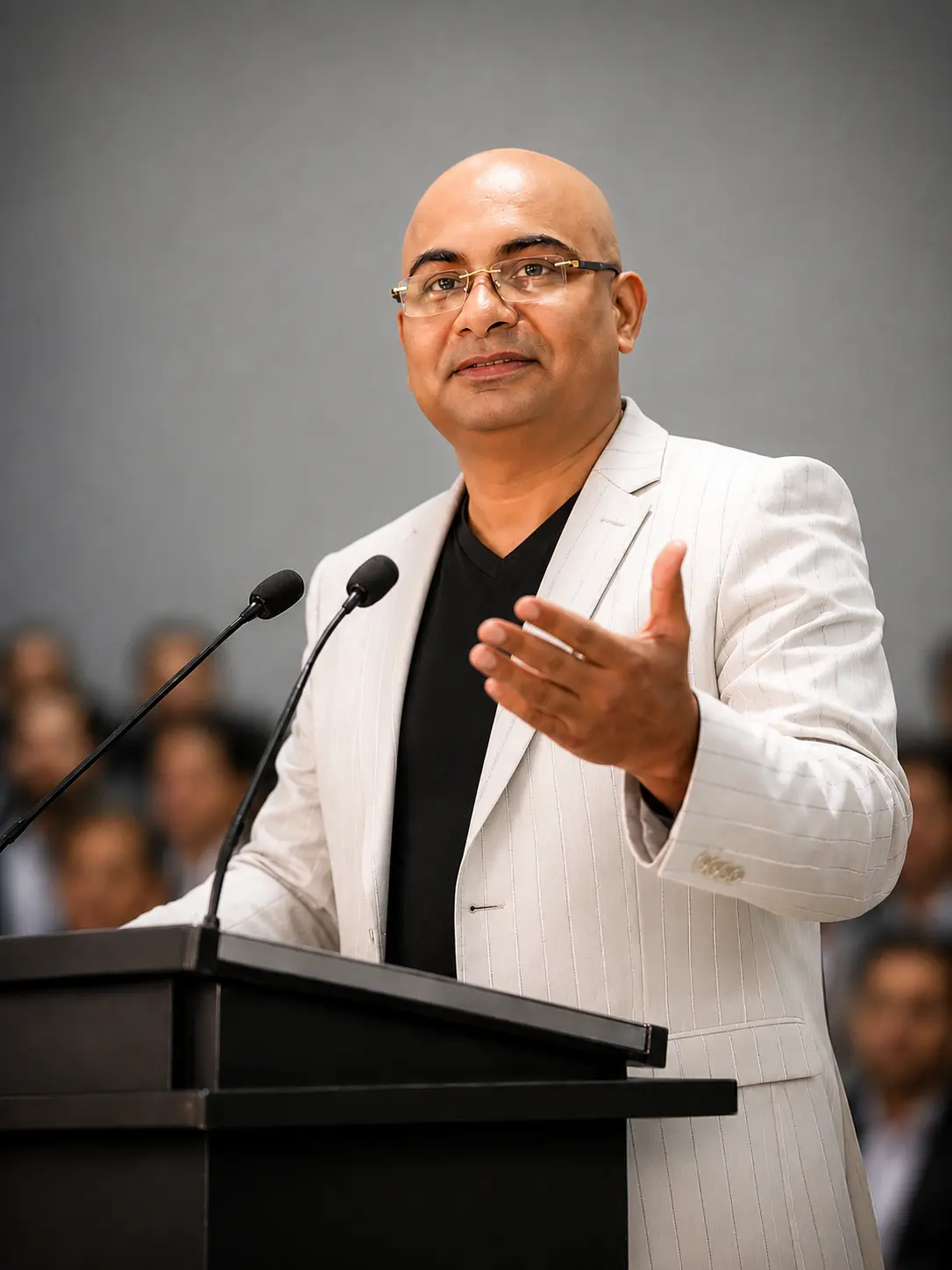
Written by
An OKR Coach with 20+ years of implementation experience, Madhusudan has guided over 50 organisations through successful OKR transformations, training more than 500 leaders. Learn more about Worxmate.
Frequently Asked Questions
A manager is a person responsible for guiding, supporting, and overseeing employees to achieve team goals. An employee is a team member who carries out tasks and contributes skills to help the organization succeed.
A healthy manager-employee relationship is built on trust, open communication, and mutual respect. When managers listen, support, and value their employees, it leads to higher engagement, better productivity, and job satisfaction.
There isn’t a fixed number, but a common ratio is about 1 manager for every 7-10 employees. This allows managers to give enough attention, support, and guidance to each employee without being overwhelmed.
Conflicts often arise due to unclear expectations, miscommunication, lack of trust, different working styles, or feeling undervalued. Addressing issues early through open dialogue is important to resolve conflicts effectively.
Resolve conflicts by encouraging honest conversations, active listening, and focusing on solutions rather than blame. Sometimes involving a neutral third party like HR can help facilitate understanding and agreement.
Goal cascading aligns individual daily tasks with broader organizational strategy, ensuring both managers and employees share a clear, transparent vision of success. When expectations and OKRs are transparently defined across the platform, it eliminates ambiguity and significantly reduces friction caused by misaligned priorities.
Trust forms the foundational safety net required for honest dialogue and constructive feedback during performance disputes. When psychological safety is established through consistent check-ins and mutual accountability, managers and employees can address interpersonal friction proactively before it escalates.
Modern performance management software replaces subjective reviews with continuous, data-backed feedback loops and structured 1-on-1 agendas. This infrastructure helps managers shift from task-mastering to coaching, fostering a collaborative partnership focused on continuous professional growth.
Effective trust-building relies on transparent communication, active listening, and following through on commitments made during regular feedback sessions. Empowering employees with autonomy over their execution while offering continuous support reinforces mutual respect and reliability.
Enterprise HR leaders can scale conflict resolution by implementing standardized strategy execution frameworks that promote regular check-ins and alignment tracking. Equipping leaders with centralized digital tools ensures consistent coaching habits and early visibility into team friction points across the organization.