 WORXMATE
Wellbeing and Burnout Prevention OKRs — 10 Best Positive Strategy
Actionable insights to align your OKRs with everyday performance management-from proven frameworks to the tools that power them.
Summary
Modern organizations are facing a burnout crisis, with 71% of workers reporting exhaustion and high daily stress levels. Traditional wellness perks often fail because they address symptoms rather than the systemic causes of overwork and lack of autonomy. By implementing Wellbeing and Burnout Prevention OKRs, leadership teams can transform mental health from a reactive HR initiative into a measurable, strategic priority that drives long-term retention and performance.
Wellbeing and Burnout Prevention OKRs are no longer optional “nice-to-haves” in a global economy where 71% of workers report experiencing burnout. The 2026 Global Talent Barometer paints a stark picture: across Asia-Pacific and the Middle East, burnout is reaching crisis levels. Yet, 56% of workers report receiving no recent training, and 51% lack mentorship opportunities—even as AI adoption accelerates and job anxiety rises. The old approach—relying on “resilience training” and “wellness apps” as standalone initiatives—is failing. Why? Because wellbeing cannot be an HR side project; it must be embedded in how work actually happens through effective performance management.
This is where structured goal-setting comes in. Not “feel better” platitudes, but measurable commitments to sustainable work. This guide provides 8 Wellbeing and Burnout Prevention OKRs examples, research-backed context on why this matters, and a real-world case study of Deloitte’s award-winning wellbeing strategy. Organizations that treat mental health as a strategic planning priority—with clear goals, owners, and metrics—see lower turnover and higher engagement.
Why Your Organization Needs Wellbeing and Burnout Prevention OKRs
Research confirms that burnout isn’t an individual failure—it’s a systemic issue. A 2026 study published in Nature found that 31.8% of workers in high-stress industries meet the criteria for burnout, with job satisfaction serving as a protective factor against turnover. According to McKinsey, toxic workplace behavior is the biggest predictor of burnout and intent to leave, yet many companies still focus on individual “grit” rather than structural change.
The problem with most wellness programs is their focus on helping employees cope with unsustainable workloads rather than fixing the workloads themselves. As the de Beaumont Foundation notes, “We need to think logically about wellness. Building our employee wellness expectations into a policy that can be enforced is how we create sustainable change.” This requires a shift from reactive perks to proactive, measurable goal setting.
| Traditional Wellness Approach | Wellbeing OKRs Approach |
|---|---|
| Yoga classes and fruit baskets | Measurable workload reductions |
| Resiliency training for employees | Systemic fixes to overwork |
| Annual engagement surveys | Quarterly wellbeing metrics |
| Owned by HR | Owned by every manager |
| Reactive (after burnout) | Proactive (preventing burnout) |
To achieve sustainable organizational growth, leaders must move beyond the surface. When wellbeing is integrated into your performance management system, it becomes a shared responsibility that balances output with human capacity.
Achieve Your Goals Faster
See how Worxmate can help your team set clear goals and achieve faster results. Book your free demo today and experience the power of AI-driven OKRs in action.
8 Actionable Wellbeing and Burnout Prevention OKRs for Sustainable Teams
To effectively manage stress levels, organizations should look at OKR examples that target the root causes of exhaustion. Here are eight frameworks to consider:
-
Sustainable Workload Management
Objective: Ensure all teams have sustainable workloads that prevent burnout.
KR1: Reduce overtime hours per team by 20% quarter-over-quarter.
KR2: Achieve 90% of projects delivered without weekend work.
KR3: Maintain average working hours below 45 per week.
KR4: Reduce after-hours Slack/email activity by 30% based on digital exhaust. -
Manager Training for Psychological Safety
Objective: Build manager capability to support team mental health.
KR1: Train 100% of people managers in mental health first aid.
KR2: Improve team psychological safety score from 3.8 to 4.4.
KR3: Conduct monthly 1-on-1s focused on wellbeing, not just tasks.
KR4: Reduce manager-caused burnout reports by 40% in exit data. -
Meeting Load Reduction
Objective: Protect focus time by reducing unnecessary meetings.
KR1: Reduce average meeting hours per employee from 12 to 8 weekly.
KR2: Implement “no-meeting Wednesdays” with 95% adherence.
KR3: Reduce meetings with >5 attendees by 30%.
KR4: Increase “meeting-free” days per month from 4 to 8. -
Paid Time Off (PTO) Utilization
Objective: Ensure employees fully disconnect during time off.
KR1: Increase PTO usage rate from 60% to 85%.
KR2: Reduce “work while on vacation” incidents by 70%.
KR3: Implement mandatory PTO policy for 2 weeks/year.
KR4: Achieve 90% employee satisfaction with work-life balance. -
Burnout Risk Monitoring
Objective: Proactively identify and address burnout risks.
KR1: Conduct quarterly wellbeing pulse surveys with 85% participation.
KR2: Implement real-time workload alerts for at-risk teams.
KR3: Reduce high-burnout-risk scores by 25%.
KR4: Ensure 100% of at-risk employees receive manager follow-up. -
Flexible Work Arrangements
Objective: Enable autonomy over when and where work happens.
KR1: Increase flexible work arrangement adoption to 80% of eligible roles.
KR2: Maintain productivity parity between flexible and office-based teams.
KR3: Reduce commute-related stress scores by 30%.
KR4: Achieve 90% satisfaction with flexibility options. -
Recognition and Appreciation
Objective: Build a culture of regular, meaningful recognition.
KR1: Increase peer-to-peer recognition events by 50%.
KR2: Ensure 100% of employees receive recognition at least quarterly.
KR3: Improve “I feel valued” score from 3.9 to 4.5.
KR4: Train 100% of managers on effective recognition practices. -
Mental Health Resource Access
Objective: Increase utilization of mental health support resources.
KR1: Promote EAP usage to achieve 15% annual utilization.
KR2: Reduce stigma through 4 company-wide mental health campaigns.
KR3: Achieve 80% employee awareness of available resources.
KR4: Establish Mental Health First Aider network in all major sites.
Unlock Goal Clarity and Accelerate Employee Growth
Looking to drive goal clarity and employee growth? Discover how Worxmate’s AI-powered Performance Management Software can help.
Case Study: Deloitte’s Award-Winning Strategy
Deloitte, one of the “Big Four” professional services firms, has long recognized that employee wellbeing is not just an HR initiative—it’s a business imperative. Their approach, implemented across their UK and Ireland operations, offers a powerful model for Wellbeing and Burnout Prevention OKRs in action. Professional services firms are notoriously high-pressure environments, where long hours and tight deadlines create chronic stress.
The Solution: OneHub Wellbeing
Deloitte partnered with Benifex to roll out OneHub Wellbeing to nearly 2,000 employees. The platform provides targeted, relevant wellbeing resources accessible anytime. Rebecca Marshall, Wellbeing Lead at Deloitte, explains: “The app is an easy way for people to check in on their health and wellbeing on a daily and weekly basis. You’re going nowhere if you’re not asking people about what they want.”
The “Inclusion Passport” Innovation
One of Deloitte’s most innovative practices is the Inclusion Passport—a digital tool that allows employees to document accommodations they need (whether for neurodiversity, caregiving, or mental health) once, rather than repeatedly having difficult conversations. The passport follows them through the organization, ensuring consistent support and helping understand employee satisfaction at a deeper level.
Key Results:
Deloitte’s integration of wellbeing into core business strategy led to strong adoption of digital support tools and improved the firm’s ability to support employees during global crises. By treating these initiatives with the same rigor as financial long-term business goals, they moved mental health from the periphery to the center of their operations.
Common Mistakes When Setting Wellbeing and Burnout Prevention OKRs
Even with the best intentions, many organizations fail to see results because they treat wellbeing as a secondary metric. To avoid these pitfalls, consider how these goals align with your OKR software and overall culture.
-
Wellbeing as HR-Only
When managers don’t own wellbeing metrics, they prioritize output at any cost. Fix: Include wellbeing in every manager’s quarterly OKRs.
-
Perks Instead of Fixes
Yoga classes don’t fix a 60-hour work week. Fix: Address root causes like meeting fatigue and staffing shortages.
-
No Measurement
Vague goals like “improve morale” cannot be tracked. Fix: Use validated metrics such as the Copenhagen Burnout Inventory (CBI) or PHQ-9.
-
Stigma Ignored
If leaders don’t model healthy behaviors, employees won’t use available resources. Fix: Normalize mental health through leadership vulnerability and visible participation.
As the Nature study notes, job satisfaction is a protective factor against burnout—but it must be measured and addressed systematically within your OKR consulting framework to be effective.
Strategic Framework: How to Write Wellbeing and Burnout Prevention OKRs
Writing effective Wellbeing and Burnout Prevention OKRs requires a structured approach that mirrors how you set revenue or product goals. Follow these five steps:
- Diagnose before prescribing: Use custom pulse surveys to understand where burnout risks actually exist before setting targets.
- Address systemic causes: If workloads are unsustainable, focus on Key Results that mandate resource hiring or project prioritization.
- Make it measurable: Convert “reduce stress” into specific, trackable metrics like overtime hours, meeting load, or PTO usage.
- Assign owners: Every Key Result needs a named accountable owner—typically a people manager or department head.
- Review monthly: Wellbeing metrics change fast. Use your OKR software to conduct monthly check-ins for rapid adjustment.
The business case is clear. François Lançon of ManpowerGroup notes: “Transformation cannot come at the expense of well-being. Organizations need to balance performance goals with initiatives that strengthen resilience.” By balancing long-term business goals with human-centric metrics, companies create a culture of sustainable high performance.
Ready to accelerate your Wellbeing and Burnout Prevention OKRs journey? Start your free trial with Worxmate today and discover how our Performance Management software can transform your strategy into measurable results.

Written by
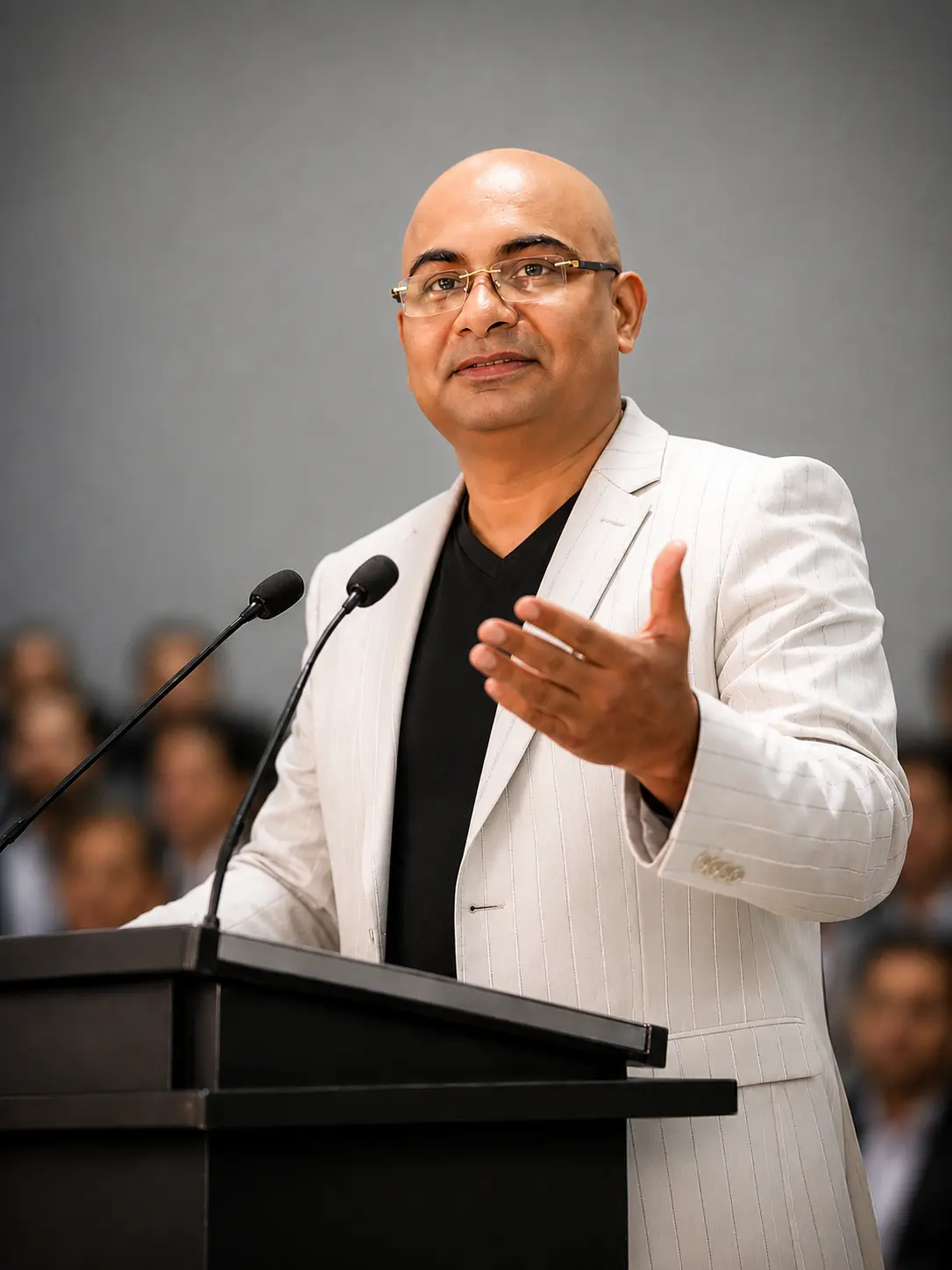
An OKR Coach with 20+ years of implementation experience, Madhusudan has guided over 50 organisations through successful OKR transformations, training more than 500 leaders. Learn more about Worxmate.
Frequently Asked Questions
They should be tracked as distinct objectives but reviewed together. Sustainable performance is impossible without wellbeing, so integrating them into the same performance management cycle ensures they aren’t ignored in favor of output.
Use a combination of quantitative data like overtime hours and PTO usage, alongside validated qualitative instruments like the Copenhagen Burnout Inventory (CBI) or regular pulse surveys to get a real-time view of team health.
Yes, and they are most critical there. The Deloitte case study proves that even in professional services, setting measurable goals for mental health and flexibility can improve retention without sacrificing high-performance standards.
Wellbeing metrics should be reviewed monthly. Unlike some long-term strategic goals, burnout risks can escalate quickly, making frequent check-ins essential for early intervention and support.
To prevent wellbeing OKRs from becoming performative, tie them directly to operational changes like meeting load reductions and PTO utilization targets rather than vague sentiment scores. When managers are held accountable for systemic workload management within their strategy execution platform, wellbeing shifts from an HR checklist to a core leadership metric.
Enterprise OKR platforms like Worxmate centralize burnout prevention by embedding mental health and sustainable workload metrics directly into the rhythm of business reviews. This transparency allows leadership teams to monitor leading indicators of exhaustion alongside traditional revenue and growth goals in real time.
While HR provides the framework and validated burnout monitoring tools, accountability for execution must sit with frontline and department managers. Every team lead should own specific key results related to psychological safety, workload distribution, and flexible work arrangements to drive true cultural change.
Sustainable high performance relies on recognizing that relentless output without recovery leads to attrition and costly mistakes. By framing wellbeing OKRs as guardrails for capacity—such as capping meeting loads and ensuring PTO utilization—organizations protect their human capital while maintaining long-term productivity standards.
Begin by auditing your current employee pain points using data like overtime hours and turnover rates rather than relying on generic engagement surveys. Replace surface-level perks with targeted strategic objectives focused on root causes, such as sustainable workload management and manager training for psychological safety.