How to Use 6 Essential Constructive Feedback Examples (2026)
Actionable insights to align your OKRs with everyday performance management-from proven frameworks to the tools that power them.
Summary
Constructive feedback examples are essential tools for modern leaders looking to bridge the gap between current performance and organizational goals. By utilizing specific, actionable constructive feedback examples, managers can reduce employee turnover by up to 14.9%, according to Gallup research. This guide provides six proven templates to help HR professionals and department heads deliver criticism that inspires growth rather than resentment, ensuring long-term cultural health and alignment.
Constructive feedback examples are structured communications designed to address performance gaps while providing a clear, supportive path for professional improvement. Unlike general criticism, these examples focus on specific behaviors and measurable outcomes, ensuring the recipient understands exactly what needs to change and how to achieve success in their role.
For mid-market companies aiming for rapid organizational growth, the ability to deliver these insights effectively is a competitive advantage. Companies like Adobe have famously replaced annual reviews with frequent check-ins, emphasizing that real-time, high-quality feedback is the primary driver of employee development and retention in the modern workplace.
The Anatomy of Good Constructive Feedback Examples
Effective feedback follows a repeatable structure that minimizes defensiveness. According to McKinsey, nearly 70% of organizational change programs fail due to employee resistance and lack of management support. To avoid this, your constructive feedback examples should always include three core elements: the specific observation, the impact on the team, and a collaborative request for change.
The “Situation-Behavior-Impact” (SBI) model is a gold standard in performance management. Instead of saying “You are often late,” a high-quality feedback statement would be: “During our last three Monday stand-ups (Situation), you arrived ten minutes after we started (Behavior), which meant we had to repeat the project updates and delayed the start of our deep-work blocks (Impact).” This objective approach removes the personal sting and focuses on business reality.
Furthermore, the most successful constructive feedback examples are delivered with a forward-looking mindset. John Doer, the pioneer of OKRs, emphasizes that feedback should be a “continuous loop” rather than a post-mortem. By framing the conversation around future potential, you transform a potentially negative interaction into a strategic coaching moment that aligns with the company’s strategic planning goals.
6 Constructive Feedback Examples for Productivity and Communication
Implementing the right constructive feedback examples requires tailoring your language to the specific performance issue. Below are six essential templates designed for common workplace scenarios that managers face daily:
-
Meeting Participation
“I’ve noticed you’ve been quiet during our strategy sessions. Your expertise in data analysis is vital, and when you don’t share your perspective, the team might miss critical insights that could improve our project outcomes.”
-
Deadline Management
“The last two reports were submitted 24 hours past the deadline. This creates a bottleneck for the QA team. Let’s look at your current workload to see if we need to adjust priorities to ensure timely delivery.”
-
Quality of Work
“I noticed several formatting errors in the recent client deck. These details are crucial for maintaining our brand’s professional image. Could we implement a final peer-review step before the next submission?”
-
Communication Style
“During yesterday’s conflict resolution, your tone was perceived as dismissive by the junior staff. This can discourage open dialogue. I’d like us to work on active listening techniques to foster better collaboration.”
-
Leadership Delegation
“You are handling many tactical tasks yourself, which limits your time for high-level strategy. Delegating these three tasks to your leads would provide them with growth opportunities and free you up for planning.”
-
Time Management
“It seems like you’re spending significant time on low-impact administrative tasks. By refocusing on our primary OKRs, you’ll see a greater impact on your quarterly performance metrics.”
Using these constructive feedback examples helps managers maintain consistency across departments. When leadership speaks a unified language of improvement, it builds a culture of psychological safety where employees feel empowered to take risks and learn from their mistakes.
Positive vs Constructive Feedback Examples: A Tactical Comparison
Understanding the balance between different feedback types is crucial for maintaining morale. Research published by Harvard Business Review suggests that the ideal praise-to-criticism ratio for high-performing teams is approximately 5.6 to 1. This means that while constructive feedback examples are necessary for course correction, they must be balanced by frequent recognition of what is going well.
| Feature | Positive Feedback | Constructive Feedback |
|---|---|---|
| Primary Goal | Reinforce successful behaviors | Correct performance gaps |
| Focus Area | Strengths and achievements | Specific behaviors and growth |
| Example Usage | “Your presentation was excellent.” | Using constructive feedback examples to improve clarity. |
| Frequency | High (Daily/Weekly) | Targeted (As needed) |
When providing feedback, avoid the “sandwich method” (hiding a critique between two compliments). Modern employee satisfaction research shows that this often confuses the recipient and dilutes the importance of the corrective advice. Instead, be direct, transparent, and keep the two types of feedback as separate, distinct conversations.
Constructive Feedback Examples and Delivery Best Practices
The delivery of your constructive feedback examples is just as important as the content itself. To ensure the message is received well, always provide feedback in a private setting and as close to the event as possible. Delayed feedback loses its impact and can feel like a “gotcha” moment during a formal performance management system review.
Encourage a two-way conversation by asking questions like, “What is your perspective on this?” or “What support do you need from me to make this change?” This collaborative approach ensures that the employee feels like a partner in their own development. By consistently applying these constructive feedback examples and best practices, you build a resilient team capable of continuous improvement and high-level execution.
Case Study: Bridgewater Associates — Radical Transparency in Action
The Challenge
Bridgewater Associates, the world’s largest hedge fund, faced a dangerous problem in the 2000s: employees avoided difficult conversations. Junior analysts would notice flaws in senior traders’ logic but remained silent to avoid conflict. The result was that small errors compounded into billion-dollar mistakes.
The Solution
Founder Ray Dalio implemented a “Radical Transparency” system, including:
-
The “Dot” System – Immediate, specific constructive feedback after any observable behavior.
-
“Baseball Card” Profiles – Live peer ratings on traits like strategic thinking and reliability.
-
Blameless Post-Mortems – Team autopsies focused on process, not people.
Every manager was trained to use structured, behavior-anchored feedback (similar to the SBI model).
Results and Impact
-
AUM grew from $50B to over $140B following the cultural overhaul.
-
Decision-making time dropped by over 60% , as teams learned to give and receive feedback in real time.
-
One intern famously caught a $200M calculation error that had gone unnoticed for three weeks, thanks to a culture that empowered speaking up.
As Dalio wrote: “Pain + Reflection = Progress. If you aren’t giving honest feedback, you are stealing growth from the people you lead.”
Ready to accelerate your feedback journey? Start your free trial with Worxmate today and discover how our Performance Management software can transform your strategy into measurable results.

Written by
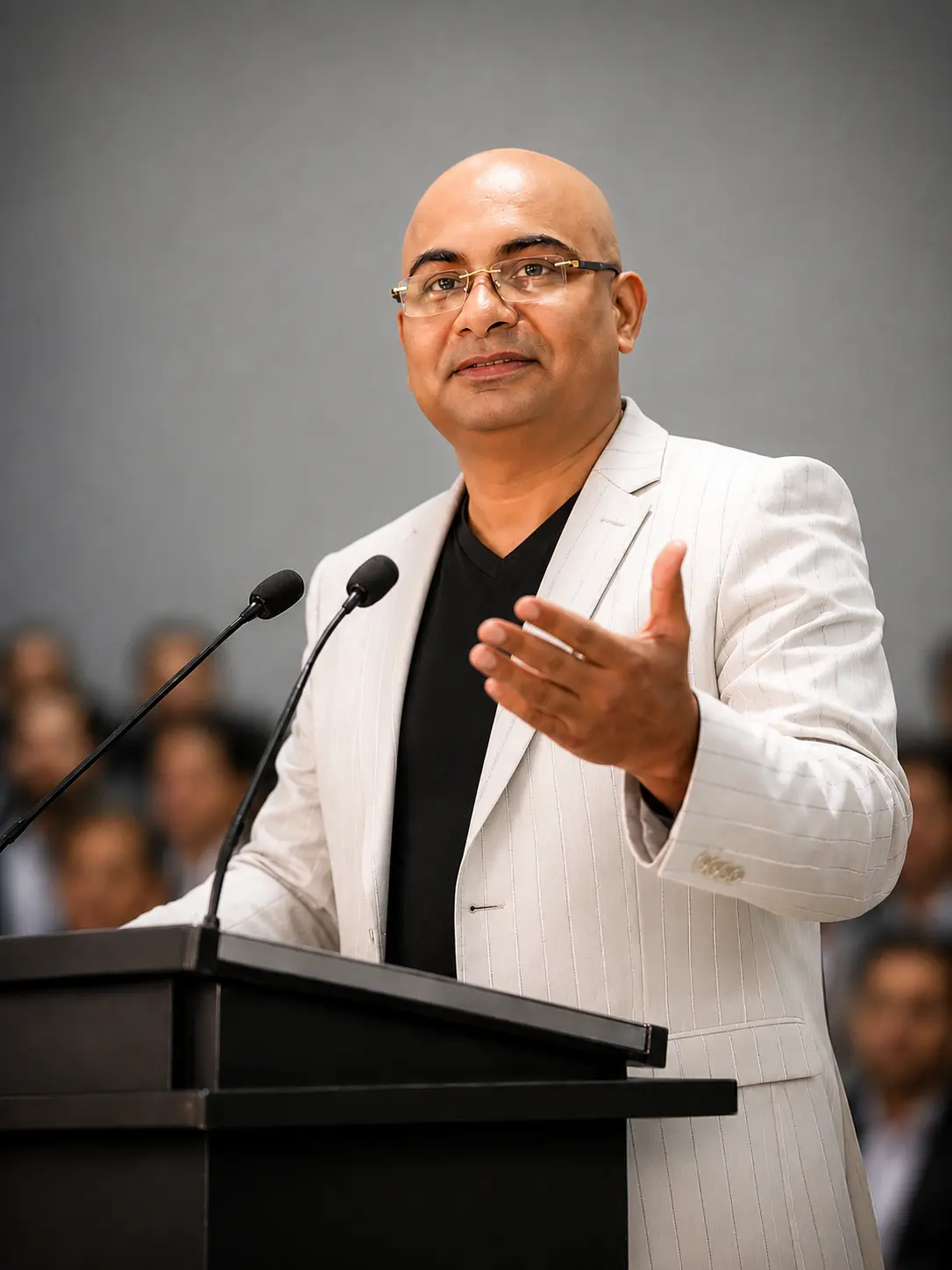
An OKR Coach with 20+ years of implementation experience, Madhusudan has guided over 50 organisations through successful OKR transformations, training more than 500 leaders. Learn more about Worxmate.
Frequently Asked Questions
Constructive feedback examples are specific, actionable statements used to address performance issues while providing a path for improvement. According to Gallup, companies that provide regular feedback see 14.9% lower turnover rates.
Your article recommends encouraging a two-way conversation by asking questions like, “What is your perspective on this?” or “What support do you need from me to make this change?” Delivering feedback in a private setting and focusing on behaviors (not personality) also minimizes defensiveness. If defensiveness persists, revisit the SBI model to ensure your observation is objective and specific.
Yes, because it prevents small issues from becoming toxic cultural problems. High-growth teams use feedback to maintain alignment and ensure every team member is developing at the pace of the business.
A common mistake is using the “sandwich method,” which buries the critique between compliments. This often confuses employees and makes the feedback feel insincere or unclear.
The SBI model grounds performance conversations in objective reality by separating specific facts from emotional reactions. By outlining the exact situation, observable behavior, and business impact, managers remove personal friction and make it easier for employees to absorb the critique.
Feedback shouldn’t happen in a vacuum; it must connect individual actions to team Key Results and company-wide strategic goals. Treating feedback as a continuous loop ensures that employees understand how adjusting their daily productivity and communication directly impacts larger quarterly milestones.
Relying solely on annual reviews creates dangerous blind spots and allows performance gaps to fester for months without correction. Modern high-growth enterprises favor frequent check-ins and real-time coaching, which Gallup shows significantly drives employee retention and engagement.
Feedback on delegation should highlight how micromanagement or poor hand-offs affects team bandwidth and overall project velocity. A collaborative request should focus on empowering team members while ensuring the leader maintains high-level strategic alignment.
Radical transparency fosters psychological safety, allowing teams to address operational bottlenecks and quality issues without fear of retaliation. Companies like Bridgewater Associates prove that open, honest feedback loops accelerate organizational learning and fuel rapid execution.