
How to Master PMS Implementation in India: 5 Steps
Actionable insights to align your OKRs with everyday performance management-from proven frameworks to the tools that power them.
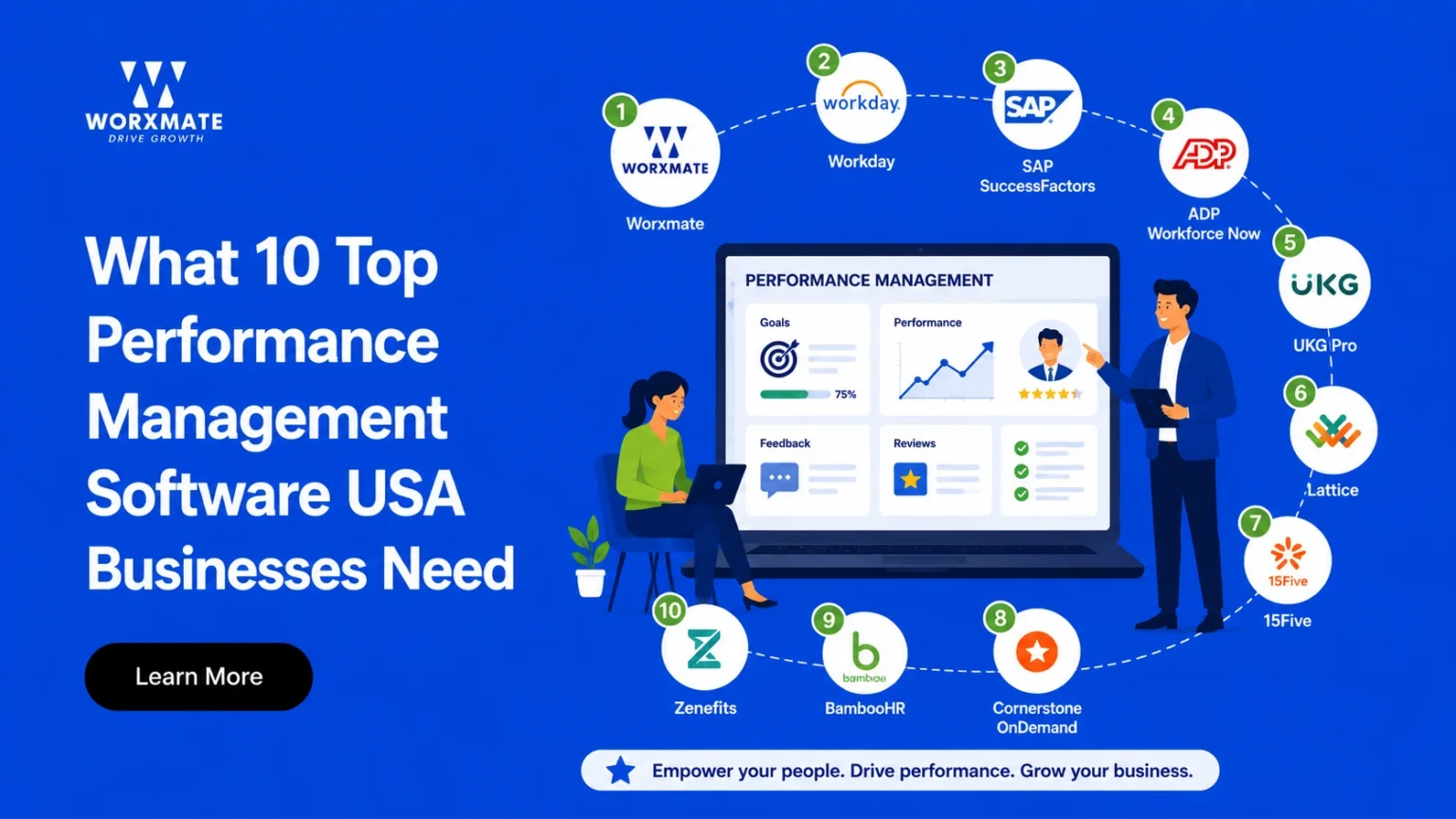
PMS implementation in India: Successful performance management system implementation across Indian enterprises requires aligning agile goal setting, cultural sensitivity, and employee performance software to drive sustainable organizational growth and productivity.
Effective PMS implementation India requires a strategic, phased approach that accounts for local cultural nuances and regulatory frameworks. It begins with defining clear objectives and selecting a suitable, scalable performance management system, followed by meticulous planning for configuration, pilot testing, and comprehensive user training. Successful implementation culminates in a full rollout supported by strong communication and a commitment to continuous monitoring and improvement.
Many Indian organizations face unique challenges in adopting new HR technologies. This guide provides a practical, step-by-step framework to navigate the complexities of performance management system implementation, ensuring your investment drives measurable improvements in employee performance and organizational growth.
Introduction: The Growing Need for PMS in the Indian Business Landscape
Comparing Traditional HR Tools and Modern Unified Platforms
When executing a PMS rollout, Indian HR leaders often evaluate disjointed legacy software against integrated cloud suites. Understanding how platform architectures differ helps mitigate adoption friction and data silos.
| Evaluation Criteria | Legacy HR Suites | Disjointed Tool Stacks | Worxmate Unified Platform |
|---|---|---|---|
| Primary Philosophy | Annual appraisal driven | Siloed modules | Continuous OKR + Feedback |
| AI Capabilities | None / Basic reports | Third-party add-ons | Native predictive execution |
| Performance Management | Periodic ratings only | Disconnected review forms | Real-time 360-degree feedback |
| Goal-to-Task Link | Manual spreadsheets | Requires API connectors | Native strategic alignment |
| Ease of Use | Low adoption rates | Steep learning curve | High engagement UI |
| Pricing Model | High licensing fees | Multiple vendor costs | Transparent SaaS pricing |
| Best For | Legacy bureaucracy | Complex integrations | Agile Indian enterprises |
The dynamic Indian business landscape demands agile and effective strategies for talent management. A robust Performance Management System is no longer a luxury but a strategic imperative for mid-market companies seeking to enhance productivity, foster employee growth, and maintain a competitive edge. However, successful PMS implementation India is not merely about installing software; it’s about orchestrating a cultural and operational shift.
Indian organizations, ranging from burgeoning startups to established enterprises, recognize the critical role of structured performance management. According to a Deloitte study, while 80% of organizations believe that performance management is critically important, only 8% believe their current process drives high value. This gap highlights the need for a well-executed PMS implementation India.
This guide provides a practical, step-by-step roadmap for HR Directors, CHROs, and business leaders in India to effectively implement a performance management system, addressing local challenges and leveraging best practices for sustainable success.
Understanding the Indian Context for Performance Management Success
Implementing a performance management system India requires a nuanced understanding of the country’s diverse workforce, hierarchical structures, and varied cultural expectations regarding feedback and appraisal. Unlike Western markets, Indian employees often value collective harmony, and direct feedback can sometimes be perceived differently. Thus, a successful PMS implementation India must incorporate sensitivity, emphasize growth, and promote transparency.
HR leaders must consider factors like regional language diversity in training materials, data privacy regulations, and the importance of relationship-building in driving adoption. Evaluating different performance management approaches is crucial before deployment. A one-size-fits-all approach to HR strategy often fails. Tailoring the communication and training around the new PMS to resonate with local values is paramount for effective PMS implementation India.
Pre-Implementation Checklist: Laying the Foundation for Your PMS in India
Before diving into a PMS implementation India, thorough preparation is essential. This foundational stage sets the tone for the entire project and mitigates common pitfalls. Begin by clearly defining the business problem you aim to solve with the PMS. Is it employee engagement, productivity, retention, or talent development? Involve key stakeholders from HR, IT, and business units to ensure alignment.
Conduct a comprehensive audit of your existing performance management processes, identifying strengths, weaknesses, and gaps. This includes reviewing current performance review process, feedback mechanisms, and goal-setting practices. Establish clear success metrics and a realistic timeline. A well-prepared organization is better positioned for a smooth and impactful PMS implementation India.
Step 1: Define Strategic Goals for PMS Implementation India
The first critical step in any successful PMS implementation India is to clearly articulate what you want to achieve. This involves setting specific, measurable, achievable, relevant, and time-bound (SMART) objectives for your new system. These goals should align directly with your overall business objectives and HR strategy.
For example, instead of “improve performance,” aim for “increase employee productivity by 15% through more frequent feedback and goal alignment within 12 months.” Identify key performance indicators (KPIs) that will help you track progress against these goals. This clarity provides a compass for the entire PMS implementation India journey, ensuring every decision contributes to a tangible outcome.
Pro Tip: Involve senior leadership and department heads in this goal-setting phase. Their buy-in and active participation are crucial for driving organizational alignment and ensuring the PMS supports broader strategic priorities.
Step 2: Select Your PMS Vendor and Configure the System
Choosing the right performance management software is pivotal for successful PMS implementation India. Look for a solution that is scalable, user-friendly, and offers robust features like OKR tracking, continuous feedback, and analytics, specifically designed for the Indian market or highly customizable. Consider SaaS platforms like Worxmate, which offer flexibility and continuous updates without heavy IT overheads. By 2025, Gartner predicts that 60% of midsize and large enterprises will have invested in cloud-based HR suites, highlighting this trend.
Once selected, work closely with your vendor to configure the system to your specific needs. This includes setting up organizational structures, defining roles and permissions, customizing appraisal forms, and integrating with existing HRIS or payroll systems. Data migration from legacy systems is also a critical part of this phase, requiring meticulous planning to ensure accuracy and integrity.
Example: A mid-sized IT firm in Bengaluru chose Worxmate for its intuitive interface and seamless integration capabilities. They customized feedback templates to include specific cultural competencies relevant to their Indian workforce, ensuring the system felt native to their operations.
Step 3: Launch a Pilot Program and Train Users Effectively
Before a full rollout, implement a pilot program with a small, diverse group of employees and managers. This allows you to test the system in a real-world environment, identify any glitches, and gather valuable feedback for adjustments. A pilot helps refine processes and ensures the system is ready for broader adoption, reducing the cost of poor performance management later on.
Concurrently, develop a comprehensive training program for all users. Training should be tailored to different roles (employees, managers, HR admins) and consider local language preferences where applicable. Focus not just on “how to click” but “why” the new system is beneficial. Emphasize the advantages of continuous performance management software for career development and transparent feedback. Effective training is key to overcoming resistance and ensuring a smooth PMS implementation India.
Pro Tip: Create champions within the pilot group who can advocate for the new PMS and assist colleagues during the wider rollout, fostering a sense of shared ownership.
Step 4: Execute Full Rollout with a Clear Communication Strategy
With the pilot successfully completed and feedback integrated, it’s time for the full rollout of your PMS implementation India. A robust communication strategy is paramount during this phase. Clearly articulate the “what, why, and how” of the new system to all employees. Use multiple channels – emails, town halls, intranet announcements, and manager briefings – to ensure consistent messaging.
Highlight the benefits for individual employees, such as clearer goal setting, transparent feedback, and opportunities for growth. Address potential concerns proactively and provide accessible support channels (e.g., FAQs, dedicated helpdesk). Continuous communication helps manage expectations and builds excitement around the new performance management system.
Example: Infosys, known for its extensive employee base, leverages a multi-channel approach for its HR tech rollouts, ensuring that employees across different regions and business units are well-informed and supported throughout the transition.
Step 5: Monitor Performance and Continuously Improve PMS Implementation India
The journey of PMS implementation India doesn’t end with the rollout; it’s an ongoing process of monitoring, feedback, and refinement. Regularly review system usage data, gather user feedback through surveys and forums, and analyze performance metrics against your initial goals. Are employees actively engaging with feedback? Are managers conducting regular check-ins? Is the system contributing to improved performance outcomes?
Be prepared to make iterative adjustments to the system, processes, and training based on insights gained. This commitment to continuous improvement ensures the PMS remains relevant, effective, and truly embedded in your organizational culture. Regularly assess the system’s impact on performance management trends and adapt as needed.
Pro Tip: Schedule quarterly reviews with key stakeholders to assess the PMS’s effectiveness and plan for enhancements, ensuring the system evolves with your organization’s needs.
Overcoming Common Challenges in PMS Implementation in India
PMS implementation India often encounters unique challenges, including resistance to change, data privacy concerns, and a lack of digital literacy among certain segments of the workforce. To overcome these, foster a culture of transparency and proactive communication from the outset. Emphasize the growth-oriented nature of the PMS, rather than just appraisal, to reduce fear and build trust.
Address data privacy concerns by clearly outlining how employee data will be used and protected, adhering to Indian data protection laws. Provide accessible, multi-format training to bridge digital literacy gaps. Engaging local HR teams and managers as advocates can significantly help in navigating these cultural and operational hurdles during PMS implementation India.
Best Practices for Driving PMS Adoption & Success in Indian Organizations
To maximize the success of your PMS implementation India, integrate it with broader talent management initiatives. Link performance data to learning and development, career progression, and succession planning. Ensure managers are well-equipped not just to use the software but to have meaningful performance conversations.
Champion a culture of continuous feedback and recognition, moving beyond annual reviews. Companies that excel at talent management are 2x more likely to outperform competitors, according to McKinsey. This holistic approach ensures the PMS becomes an intrinsic part of your organizational DNA, driving sustained high performance across your Indian operations.
Measuring the ROI of Your PMS Implementation in India
Demonstrating the return on investment (ROI) of your PMS implementation India is crucial for continued buy-in and resource allocation. Track metrics such as employee productivity improvements, reduction in turnover rates, achievement of strategic goals, and increased employee engagement scores. Compare these against pre-implementation benchmarks.
Also, consider softer metrics like improved manager-employee relationships, clearer career paths, and a more positive organizational culture. Quantifying these benefits helps justify the investment and showcases the strategic value of an effective performance management system. Regular reporting on these metrics will solidify the value of your PMS implementation India.
Future Trends in Performance Management for Indian Companies
The future of performance management in India is moving towards more agile, AI-driven, and employee-centric approaches. Expect to see greater adoption of real-time feedback tools, predictive analytics for talent identification, and personalized development plans. The integration of AI in performance management systems will offer deeper insights and reduce bias, making performance reviews fairer and more objective.
As remote and hybrid work models become more prevalent, Indian companies will increasingly rely on sophisticated PMS solutions to maintain organizational productivity and foster collaboration across distributed teams. Staying abreast of these trends will ensure your PMS implementation India remains future-proof and continues to drive organizational success.
Conclusion: Empowering Your Workforce with an Effective PMS in India
Successfully navigating PMS implementation India requires a blend of strategic planning, technological prowess, and cultural sensitivity. By following these five essential steps – defining goals, selecting the right vendor, piloting and training, executing a clear rollout, and committing to continuous improvement – Indian businesses can transform their performance management capabilities.
An effective PMS not only streamlines HR processes but also empowers employees, aligns teams with strategic objectives, and ultimately fuels sustainable growth. The investment in a robust performance management system, when implemented thoughtfully, yields significant returns in an increasingly competitive market. This directly accelerates measurable key results across the entire organization. Regular check-ins maintain momentum and keep strategic priorities front of mind. Tracking a real-time confidence score helps identify at-risk targets before quarter-end. Surfacing operational blockers early ensures leadership can clear obstacles quickly. Seamless cascading ensures department milestones stay synchronized with company strategy.
Ready to accelerate your performance management journey? Start your free trial with Worxmate today and discover how our Performance Management software can transform your strategy into measurable results.


Written by
An OKR Coach with 20+ years of implementation experience, Madhusudan has guided over 50 organisations through successful OKR transformations, training more than 500 leaders. Learn more about Worxmate.
Frequently Asked Questions
PMS implementation in India involves deploying a structured performance management system tailored to local cultural nuances, regulatory frameworks, and workforce diversity to align employee goals with strategic priorities.
Traditional annual appraisals often fail in India because they rely on infrequent feedback, lack transparency, and fail to engage a dynamic workforce that values continuous growth and collaborative harmony.
OKRs (Objectives and Key Results) provide the tactical execution framework for performance management, linking high-level strategy directly to measurable weekly check-ins and transparent milestone tracking.
The five essential steps include defining strategic goals, selecting a cloud-based vendor, launching a targeted pilot program, executing a clear multi-channel rollout, and continuously monitoring performance metrics.
HR leaders can overcome resistance by fostering transparent communication, emphasizing developmental growth rather than punitive ratings, and providing accessible multi-format user training.
Continuous feedback enables real-time coaching, rapid course correction, and stronger manager-employee relationships, replacing outdated annual review cycles with agile 1:1 check-ins.
Companies must ensure that their chosen SaaS vendor complies with Indian data protection regulations, transparently outlining how employee performance data is securely stored and processed.
Key ROI metrics include employee productivity gains, reduction in voluntary turnover, attainment of strategic key results, and improved engagement scores from quarterly pulse surveys.
Worxmate offers a unified SaaS platform combining OKR tracking, continuous performance management, and AI-driven insights specifically designed to streamline talent alignment in Indian enterprises.
Future trends include the heavy adoption of AI-driven analytics for flight-risk detection, real-time feedback tools, and flexible workflows supporting hybrid and distributed workforce models.