Revolutionizing Performance Management with OKRs (2026 Guide)
Actionable insights to align your OKRs with everyday performance management-from proven frameworks to the tools that power them.
OKRs for Scalable Growth: Integrating Objectives and Key Results into employee performance software transforms static annual evaluations into dynamic, continuous processes. By anchoring strategic priorities to measurable weekly check-ins, organizations align daily execution with long-term business goals.
To truly boost performance management, organizations must evolve from annual reviews to continuous, strategy-aligned processes. OKRs (Objectives and Key Results) provide a framework to bridge the gap between high-level vision and daily execution, ensuring every team member drives impact. By focusing on measurable outcomes rather than just activities, businesses can foster agility, transparency, and sustainable growth.
If you want to boost performance management within your organization, the first step is admitting that the annual review is no longer enough. In today’s fast-paced business environment, static, backward-looking evaluations are being replaced by dynamic systems designed to propel companies forward. Yet, many organizations still struggle to connect individual effort with overarching company strategy, leading to stagnation and disengagement. To truly transform how you manage talent, leaders need a framework that fosters alignment, agility, and measurable results. This is where OKRs (Objectives and Key Results) come into play.
By shifting the focus from what employees did to what they will achieve, OKRs transform performance management from a dreaded administrative task into a strategic superpower. When integrated effectively, performance management with OKRs creates a transparent culture where everyone understands how their work contributes to the company’s biggest ambitions. This article explores how to unlock this potential, backed by data and real-world success, to help your organization scale efficiently.
The Evolution of Workplace Performance
Deloitte, a leader in consulting, discovered they were spending nearly 2 million hours annually on performance management tasks.
Yes, you read it right!
That’s the equivalent of 228 years spent filling out forms, organizing meetings, and creating ratings. This staggering figure sparked a major reevaluation of their performance management system.
Let’s dive into the case study:
Deloitte found that traditional performance reviews—year-end ratings and static objectives—were failing to drive real engagement and high performance. 58% of executives admitted their current performance management practices were neither engaging employees nor promoting high performance. This realization prompted Deloitte to rethink their entire approach.
So, what does Deloitte’s new performance management system look like?
It’s a radical departure from the norm. Gone are the annual reviews and complex rating systems. Instead, Deloitte has introduced a system focused on speed, agility, and individual development. Their redesigned approach is driven by real-time feedback and future-oriented actions rather than retrospective evaluations.
Wondering Why This Shift Matters?
Traditional ratings were inconsistent and often more reflective of the rater’s biases than the ratee’s actual performance. Instead of asking leaders to rate team members, Deloitte now asks them to consider what actions they would take with each person in the future. This forward-looking perspective aims to better recognize, see, and fuel performance.
Deloitte’s case study highlights a crucial shift from outdated performance management practices to a model that emphasizes continuous development and actionable insights. And that’s absolutely where Worxmate’s OKR and Performance Management System are setting a new standard for organizations and helping their transformative effort.
Unlock Goal Clarity & Accelerate Employee Growth
Looking to drive goal clarity and employee growth? Discover how Worxmate’s AI-powered Performance Management Software can help.
So, How Can Organizations Get Started?
Let’s dive into how integrating OKRs into performance management approaches can be a game-changer.
Think of Objectives and Key Results (OKRs) as your new best friend in goal-setting. It’s not just about slapping on a new framework; it’s about syncing everyone’s efforts with the bigger picture of where your company wants to go. It’s like making sure every player on a sports team knows their role and works together toward the championship.
But here’s the deal: while OKRs are known for being straightforward and flexible, using them effectively takes a bit of planning, clear communication, and a willingness to tweak things along the way.
Here’s a simple guide to getting OKRs up and running in your organization in order to manage performance effectively:
Define Vision and Objectives
Kick things off at the top with your CEO and senior leaders. Start by crafting a crystal-clear vision for your organization. Break this down into specific, annual objectives that are challenging yet doable. For example, if your goal is to “Become the market leader in renewable energy solutions,” that’s your big-picture objective that guides everything else.
Develop Key Results
Next, create Key Results for each objective. These should be specific, measurable, and have a deadline. For instance, if your objective is to “Increase user engagement on the platform,” a good Key Result might be “Achieve a 40% increase in daily active users by Q3.” Key Results should give your teams a clear target to aim for.
Align and Connect
Make sure OKRs at every level are in sync. This means the Key Results for different teams should feed into the company’s overall goals. For example, if the marketing team’s goal is to boost brand awareness, their Key Results should contribute to the broader company goal of market leadership. Alignment ensures everyone is rowing in the same direction.
Unlock Goal Clarity & Accelerate Employee Growth
Looking to drive goal clarity and employee growth? Discover how Worxmate’s AI-powered Performance Management Software can help.
Communicate and Educate
To make OKRs work, leaders need to get everyone on board. Hold workshops and training sessions to explain the OKR framework, its benefits, and how it affects everyone’s roles. Being open about how OKRs tie into the company’s vision helps everyone understand their part in the bigger picture and keeps them engaged.
Set Cadence for Review
Regular check-ins are key to staying on track. Schedule weekly or bi-weekly meetings to review progress, tackle any roadblocks, and adjust as needed. These regular touchpoints help keep the momentum going and ensure that OKRs stay relevant.
Evaluate and Iterate
At the end of each OKR cycle, take time to review what worked and what didn’t. Look at both successes and challenges to gather insights for the next cycle. This ongoing evaluation helps refine the OKR process, making it more effective over time.
For instance, a tech company might set an objective to “Enhance product usability,” with a Key Result like “Reduce user-reported issues by 30% within six months.”
Similarly, a non-profit could have an objective to “Expand community outreach” with a Key Result of “Host 12 community events this year, each with an average attendance of 100 participants.”
Bottom Line
The future of performance management with OKRs points towards greater personalization, technological integration, and continuous development. As organizations become more agile and employee-centric, OKRs will remain a vital tool in driving performance and achieving strategic goals. Tracking a real-time confidence score helps identify at-risk targets before quarter-end. Surfacing operational blockers early ensures leadership can clear obstacles quickly. Seamless cascading ensures department milestones stay synchronized with company strategy. Strong goal alignment eliminates siloed efforts and connects daily work to strategic outcomes.
The key to success lies in the thoughtful implementation and ongoing refinement of the OKR framework, ensuring it evolves with the changing needs of the business and its people. By following these steps and adapting as necessary, organizations can drive performance, ensure alignment, and achieve their strategic objectives.
Looking to supercharge your Performance Management with OKR?
Let’s chat about how aligning Worxmate’s Performance Management Software and OKRs Software can make a real difference for your team’s performance.

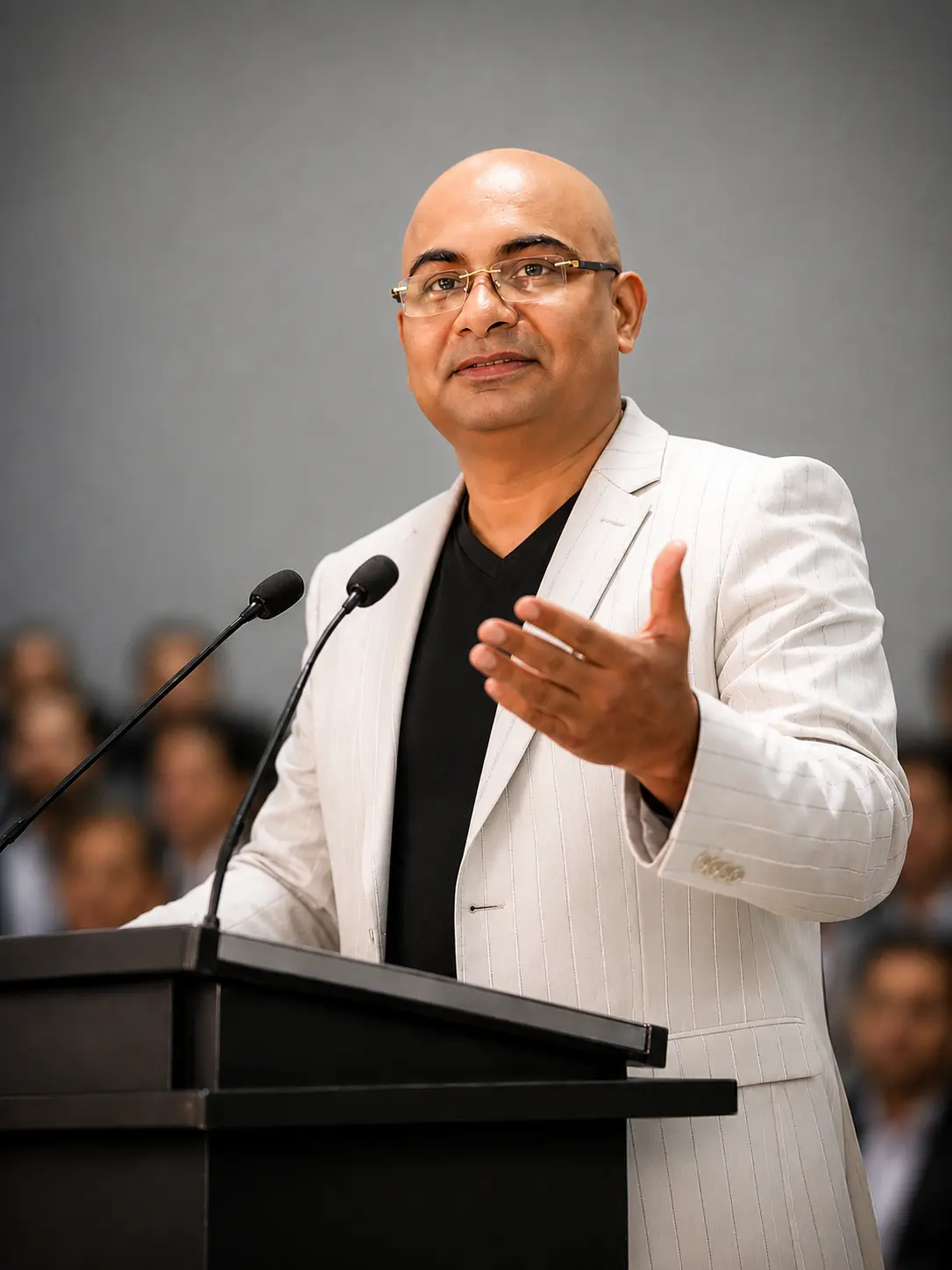
Written by
An OKR Coach with 20+ years of implementation experience, Madhusudan has guided over 50 organisations through successful OKR transformations, training more than 500 leaders. Learn more about Worxmate.
Frequently Asked Questions
Combining OKRs with performance management bridges the gap between high-level company vision and daily tactical execution. It shifts the focus from backward-looking annual reviews to forward-looking continuous development and transparent milestone tracking.
Teams should conduct weekly or bi-weekly check-ins to monitor progress, address emerging roadblocks, and update confidence scores, ensuring complete alignment across the entire organization.
An Objective is a qualitative, inspirational statement describing what you want to achieve. Key Results are quantitative, measurable milestones that define how you will measure success in reaching that objective.
Traditional annual reviews are backward-looking, subjective, and prone to rater bias. Modern organizations prefer continuous feedback models that drive real-time engagement and future-oriented performance growth.
OKRs cascade from company-level goals down to departmental and individual objectives. This guarantees that every employee’s daily work directly contributes to overarching corporate priorities.
Specialized platforms automate progress tracking, centralize 1:1 check-ins, eliminate static spreadsheets, and provide real-time predictive analytics to keep teams focused on measurable outcomes.
Best practice dictates setting 3 to 5 measurable Key Results per Objective to maintain laser focus without overwhelming teams or diluting execution capacity.
Most high-performing organizations operate on a 90-day (quarterly) OKR cycle, allowing teams to evaluate performance, iterate on strategy, and adapt quickly to market shifts.
Yes. OKRs are versatile frameworks successfully utilized across non-profits, healthcare, manufacturing, and financial services to drive accountability and scalable growth.
Weekly check-ins foster transparent dialogue between managers and reports, offering continuous support, timely recognition, and immediate blockage resolution rather than year-end surprises.