 WORXMATE
One-on-One Meetings: A Manager’s Guide to Better Check-ins
Actionable insights to align your OKRs with everyday performance management-from proven frameworks to the tools that power them.

Summary:
One-on-one meetings are regular, dedicated check-ins between a manager and an individual team member. They are a crucial tool for building trust, providing feedback, aligning on goals, and supporting career growth. Unlike status updates, these meetings are employee-centric conversations focused on development, well-being, and removing obstacles to success.
The 30 Minutes That Can Transform Your Team
Imagine a simple, 30-minute conversation that has the power to boost productivity, increase employee retention, and uncover hidden challenges before they become major fires. This isn’t a mythical management hack; it’s the power of a well-executed one-on-one meeting.
Yet, in the hustle of daily work, these critical check-ins are often the first thing to be canceled, rushed, or reduced to a simple status update. When this happens, managers miss a golden opportunity to connect with their team members on a human level.
This guide will demystify the process, showing you not just what a one on one meeting is, but precisely how to conduct one on one meeting sessions that your team members will actually value and look forward to. Let’s transform this managerial duty into your greatest leadership asset.
What is a One-on-One Meeting?
Before we dive into the “how,” let’s clarify the “what.” A one on one meeting (often abbreviated as 1:1) is a dedicated, recurring conversation between a manager and an individual employee.
Its primary purpose is not for the manager to get a project status update. That’s what team meetings and project management tools are for. Instead, a one on one meeting is employee-led. It’s a confidential space to:
- Discuss career goals and aspirations.
- Provide and receive constructive feedback.
- Address any challenges or roadblocks.
- Talk about well-being and work-life integration.
- Strengthen the manager-employee relationship.
Understanding this fundamental shift in purpose is the first step toward mastering how to do one on one meetings effectively.
Unlock Goal Clarity & Accelerate Employee Growth
Looking to drive goal clarity and employee growth? Discover how Worxmate’s AI-powered Performance Management Software can help.
Why One-on-One Meetings Are Important?
Skipping these meetings isn’t just a minor oversight; it’s a strategic mistake. The importance of one-on-one meetings is backed by compelling data from leading research institutions.
- Boosted Engagement: According to Gallup, employees who meet with their managers regularly are almost three times as likely to be engaged than those who don’t. Engaged teams show 21% greater profitability.
- Increased Retention: Research from the Harvard Business Review highlights that employees who have regular, meaningful conversations with their managers are far less likely to quit. In today’s competitive talent market, this is a critical advantage.
- Enhanced Performance: A study by McKinsey found that organizations with effective performance conversations, including 1:1s, are more likely to have employees who feel empowered and aligned with company goals.
In short, investing time in one-on-one meetings is one of the highest-return activities a manager can undertake. It’s the glue that connects company objectives with individual motivation and growth.
How to Conduct a One-on-One Meeting: A Step-by-Step Framework
So, how do you conduct a one on one meeting that is both productive and empowering? Follow this simple framework.
-
Preparation is Key (For Both Parties)
A great one-on-one meeting doesn’t happen by accident. It requires preparation.
-
- Manager’s Role: Review notes from the last 1:1, check in on goals, and jot down 2-3 talking points. Your focus should be on the employee’s growth and well-being.
-
- Employee’s Role: The employee should also come prepared. Encourage them to maintain a shared agenda where they can add items throughout the week. This ensures the conversation is driven by their priorities.
-
Structure Your Conversation for Success
A loose structure prevents the meeting from meandering. A popular and effective framework is the Three P’s:
-
- Progress: Discuss progress toward goals (both performance and personal development). What wins have they had? What are they proud of?
-
- People: Talk about relationships with colleagues, team dynamics, and collaboration. Is there anyone they need help aligning with?
-
- Purpose: Connect their daily work to the bigger picture. Discuss career aspirations, skills they want to develop, and long-term goals.
-
Master the Art of Conversation
How you write one on one meeting notes is less important than how you show up in the conversation.
-
- Listen Actively (70/30 Rule): You should be listening 70% of the time and talking 30%. Ask open-ended questions and resist the urge to interrupt or solve problems immediately.
-
- Ask Powerful Questions: Move beyond “How’s it going?” Try questions like:
-
- “What’s one thing that could make your week better?”
-
- “Is there any part of your project where you feel stuck?”
-
- “What are you most excited about right now?”
-
- Provide Constructive Feedback: Give specific, actionable feedback. Use the Situation-Behavior-Impact (SBI) model to keep it objective and helpful.
-
Document and Follow Up
A conversation without action is just talk. Always end the meeting by summarizing key discussion points and, more importantly, defining clear next steps.
-
- What actions will the employee take?
-
- What actions will you, as the manager, take?
-
- Document these in a shared note to create accountability for the next one on one meeting.
Case Study: How Google Revitalized Its One-on-One Culture
Google, renowned for its data-driven people operations (often called “People Analytics”), conducted extensive internal research to identify the habits of its most effective managers. They found that a key differentiator was how they ran their one-on-one meetings.
The Challenge:
Initially, many 1:1s at Google were unstructured and felt like a “waste of time” for both engineers and managers. They were often canceled or repurposed for tactical problem-solving.
The Solution:
Google’s People Analytics team developed a simple but effective framework for managers, emphasizing the employee-centric nature of 1:1s. They trained managers to:
-
- Let the employee set the agenda. This simple shift empowered employees and ensured the conversation was relevant to them.
-
- Focus on performance, development, and well-being. Managers were encouraged to move beyond project updates.
-
- Practice active listening and coaching. Instead of dictating solutions, managers were taught to ask questions that helped employees find their own answers.
The Results:
According to findings published in their “Project Oxygen,” managers who adopted this structured approach to one-on-one meetings saw significant improvements in their team’s performance and satisfaction scores.
Teams reported higher psychological safety, clearer career paths, and a stronger sense of support from their managers. This case demonstrates that even in a tech giant, a focused investment in manager training on how to conduct one on one meeting best practices yields a substantial return.
Conclusion:
Effective one-on-one meetings are the cornerstone of modern leadership. They build trust, drive engagement, and create a high-performance culture where people feel valued and heard.
By shifting the focus from status updates to employee growth, preparing with purpose, and following a simple structure, you can transform these check-ins into your most powerful management tool.
But managing the agendas, action items, and follow-ups for an entire team’s 1:1s can be complex. This is where Worxmate.ai comes in.
Worxmate’s integrated Performance Management System (PMS) seamlessly connects your team’s goals to your one-on-one conversations. With Worxmate, you can:
- Align 1:1 Agendas with OKRs: Easily track progress on key results directly within your meeting notes.
- Track Action Items: Assign and monitor follow-up tasks from your 1:1s, ensuring nothing falls through the cracks.
- Create a Living Record: Maintain a continuous log of conversations, feedback, and growth plans for each team member.
Stop letting valuable insights from your check-ins get lost. Ready to make your one-on-one meetings more impactful and aligned than ever?

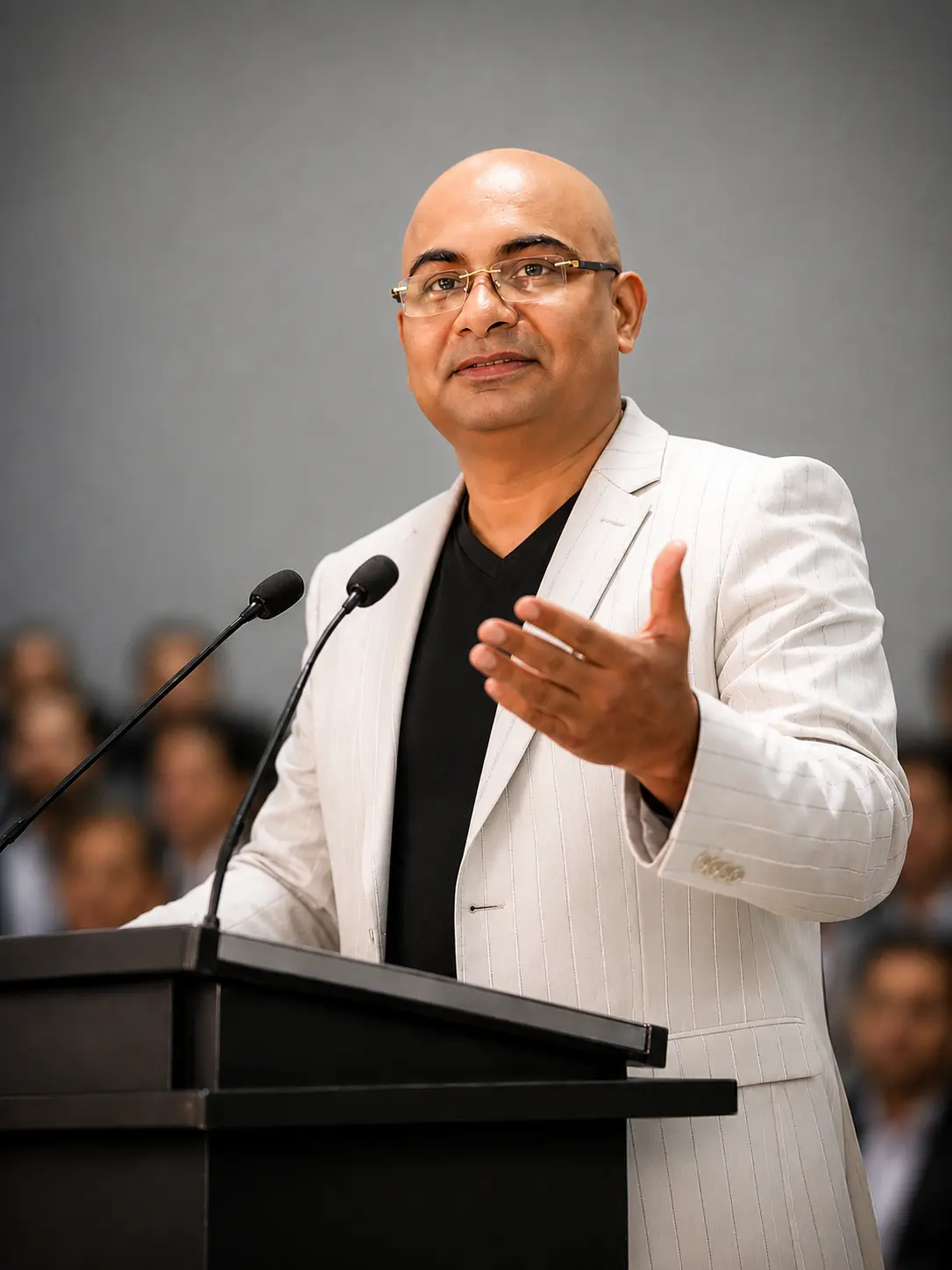
Written by
An OKR Coach with 20+ years of implementation experience, Madhusudan has guided over 50 organisations through successful OKR transformations, training more than 500 leaders. Learn more about Worxmate.
Frequently Asked Questions
For most teams, a weekly or bi-weekly cadence is ideal. Newer employees or those on complex projects may benefit from weekly meetings, while established teams can often thrive with a bi-weekly rhythm. The key is consistency.
Typically, 30 to 60 minutes is sufficient. The duration should allow for a meaningful conversation without feeling rushed. It’s better to have a focused 30-minute chat than a drawn-out 60-minute meeting.
Both can be effective. The mode should be whatever is most comfortable and conducive to an open conversation for the employee. For remote teams, video calls are essential for maintaining a personal connection.
The most common mistake is turning the 1:1 into a status update meeting where the manager does most of the talking. Remember, this is the employee’s meeting. Your primary job is to listen and support.
A status update focuses on project deliverables, metrics, and tactical timelines, which are better handled in project management software or team syncs. In contrast, a one-on-one meeting is an employee-centric conversation dedicated to career growth, well-being, feedback, and removing workplace roadblocks.
To maximize a 30-minute check-in, spend the first few minutes building rapport, followed by the employee’s core discussion topics and challenges. Reserve the final portion to align on actionable takeaways, next steps, and clear follow-up items documented for accountability.
Regular check-ins bridge the gap between high-level company objectives and daily employee tasks by continuously aligning individual growth goals with strategic priorities. Using a platform like Worxmate helps ensure these conversations tie directly into ongoing OKR cascading and performance management.
Because effective one-on-ones are employee-led, team members should actively contribute to the agenda ahead of time by adding topics, talking points, and career milestones they want to discuss. This shared preparation ensures the meeting addresses the employee’s most pressing needs rather than just the manager’s agenda.
Managers often view one-on-ones as flexible calendar items when urgent fires arise, failing to realize that canceling them damages trust, hurts retention, and lowers team engagement. Treating these check-ins as non-negotiable leadership commitments is vital for long-term productivity and organizational health.