7 Reasons Performance Management Culture Matters Today
Actionable insights to align your OKRs with everyday performance management-from proven frameworks to the tools that power them.
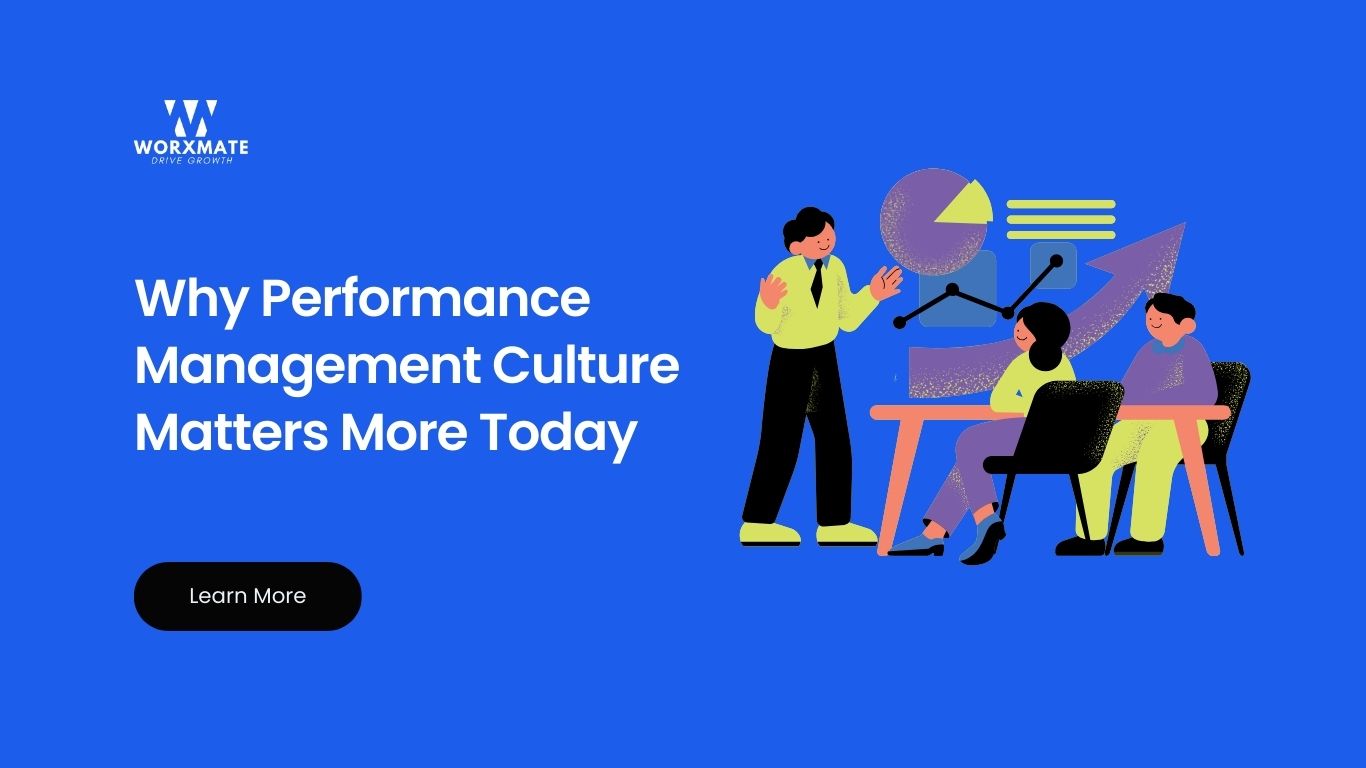
Performance management culture is an organization’s shared system of continuous feedback, transparent goal alignment, and developmental coaching. By replacing rigid annual reviews with agile, real-time tracking, modern employee performance software drives strategic execution, reduces voluntary turnover, and aligns frontline operations with core business outcomes.
The Modern Crisis of Performance Management Culture
In today’s competitive business landscape, organizations increasingly recognize that performance management culture isn’t just about annual reviews and ratings. It is about creating a comprehensive ecosystem where performance thrives through continuous dialogue, transparent goals, and meaningful recognition. However, many mid-market enterprises find themselves trapped in legacy frameworks that fail to connect daily operational tasks with high-level strategic priorities.
Traditional HR platforms often charge exorbitant fees—frequently exceeding $11 per user per month plus mandatory platform fees—while offering clunky OKR integrations bolted onto outdated appraisal cycles. This disconnect is particularly severe for organizations with distributed, remote, or frontline workforces in logistics, healthcare, and IT services. When deskless employees are excluded from the continuous performance management loop, strategic alignment breaks down, and cultural cohesion dissolves.
The Point: A high-performing culture cannot be sustained by software that only operates during annual review cycles. It requires an agile, cost-effective infrastructure that democratizes goal-setting and feedback for every employee, from the corporate office to the operational frontline.
The Strategic Framework: Legacy vs. Modern Performance Culture
To understand why modern performance management culture matters, we must contrast legacy enterprise systems with agile, integrated approaches. The table below outlines the critical differences in how these systems drive organizational alignment and employee engagement.
| Feature | Legacy Enterprise Platforms (e.g., Lattice) | Agile Performance Culture (Worxmate) |
|---|---|---|
| Primary Philosophy | Compliance-driven annual appraisals and administrative tracking. | Continuous development, real-time coaching, and strategic execution. |
| AI Capabilities | Basic text summarization for HR administrators. | Predictive risk alerts, automated feedback coaching, and sentiment analysis. |
| Performance Management | Bolted-on modules that operate in silos from daily work. | Unified OKRs, continuous feedback, and task tracking in one platform. |
| Goal-to-Task Link | Weak; strategic goals are disconnected from daily operational tasks. | Strong; direct alignment between high-level OKRs and frontline activities. |
| Ease of Use | Complex interfaces requiring extensive administrative training. | Intuitive, mobile-first design optimized for remote and deskless teams. |
| Pricing Model | High starting costs ($11+/user/month) plus mandatory platform fees. | Cost-effective, transparent pricing at half the total investment. |
| Best For | Enterprise corporations with desk-bound, corporate-only workforces. | Mid-market enterprises requiring agile, frontline, and remote alignment. |
Key Takeaway: Transitioning to an agile employee performance software platform allows organizations to eliminate administrative bloat while fostering a culture of shared accountability and continuous improvement.
Unlock Goal Clarity & Accelerate Employee Growth
Looking to drive goal clarity and employee growth? Discover how Worxmate’s AI-powered Performance Management Software can help.
What Is Performance Management Culture?
Performance management culture encompasses the shared beliefs, values, and practices that an organization uses to set expectations, provide feedback, recognize achievement, and develop employees. Unlike traditional performance management—which historically relied on annual reviews and stack rankings—modern culture based performance management system emphasizes continuous dialogue, psychological safety, and developmental growth.
At its core, performance management culture answers critical questions: How do we define success? How do we communicate what matters? How do we support employees in achieving their best work? When these elements align across the organization, something powerful happens. Employees understand how their contributions connect to broader organizational goals, managers become coaches rather than judges, and accountability becomes shared rather than punitive.
The foundation of this cultural shift rests on several key principles. First, performance management and culture are inseparable. Your performance system either reinforces your stated values or contradicts them. Second, frequent feedback matters more than perfect processes. Organizations that implement regular feedback mechanisms see 3.5 times higher performance outcomes and lower turnover rates. Third, development orientation beats ratings. When organizations focus on future potential rather than past performance, employees feel supported rather than threatened.
Why It Matters: Without a supportive culture, even the most sophisticated employee performance software becomes a tool of micromanagement. True performance culture transforms software into an enabler of autonomy, mastery, and purpose.
Why Performance Management Culture Matters More Today: The 7 Core Reasons
The business case for investing in performance management company culture is overwhelmingly clear. When organizations prioritize building a strong performance culture, the results ripple through every dimension of business performance. Below are the seven defining reasons why this cultural transformation is a strategic imperative today.
1. Bridging the Strategy-to-Execution Gap
Many organizations struggle with strategy execution because employees do not understand how their daily tasks contribute to high-level strategic priorities. A robust performance culture leverages frameworks like OKRs (Objectives and Key Results) to establish clear strategic alignment. By defining measurable milestones and tracking key results in real-time, teams can visualize their direct impact on the company’s trajectory.
This alignment prevents operational drift and ensures that resources are consistently directed toward high-impact initiatives. When strategic priorities change, an agile culture allows leadership to cascade updated goals instantly, keeping the entire workforce synchronized.
2. Empowering the Frontline and Remote Workforce
Modern workforces are increasingly distributed, with millions of employees operating in remote environments or on the physical frontline in logistics, healthcare, and IT services. Traditional performance systems ignore these deskless workers, leaving them feeling isolated and undervalued. A modern performance management culture utilizes mobile-first task tracking and lightweight check-ins to keep frontline teams connected.
By integrating operational task management with continuous feedback, organizations ensure that frontline contributions are recognized and aligned with corporate objectives. This inclusion boosts morale and provides leadership with real-time visibility into ground-level operations.
3. Mitigating the High Cost of Employee Turnover
Highly engaged workforces experience 43% less turnover than low-engagement teams. Given that replacing an employee costs between 50% and 200% of their annual salary, this reduction alone justifies cultural investments. Employees who are highly engaged are 87% less likely to leave their current job than disengaged colleagues, creating a stable, knowledgeable workforce.
A culture focused on continuous development and career progression signals to employees that the organization is invested in their long-term growth. This proactive approach to talent alignment drastically reduces voluntary attrition and the associated recruitment costs.
4. Accelerating Agility Through Continuous Feedback
In a volatile market, waiting for an annual review to course-correct is a recipe for failure. Continuous feedback loops—including weekly check-ins, confidence score assessments, and real-time blocker identification—allow teams to adapt rapidly to changing conditions. When employees receive immediate guidance, they can adjust their tactics before minor issues escalate into costly failures.
This operational agility is a hallmark of high-performing organizations. By normalizing ongoing feedback, companies build resilience and foster a mindset of continuous iteration and improvement.
5. Democratizing Coaching and Manager Accountability
Research from Gallup demonstrates that managers account for 70% of the variance in employee engagement. This means the quality of your leadership directly shapes whether performance management culture succeeds or fails. A modern performance culture shifts the manager’s role from an administrative judge to an active coach.
Through structured 1:1 check-ins and automated coaching prompts, managers are equipped to hold meaningful development conversations. This accountability ensures that every team member receives the support, clarity, and guidance necessary to excel in their role.
6. Driving Equitable 360-Degree Feedback
Relying solely on top-down evaluations introduces bias and fails to capture the full scope of an employee’s contributions. Modern performance management culture incorporates 360-degree feedback, gathering insights from peers, direct reports, and cross-functional collaborators. This comprehensive view provides a fairer, more accurate assessment of performance and collaboration.
By democratizing the feedback process, organizations foster a culture of mutual respect and transparency. It encourages collaborative problem-solving and ensures that unsung heroes who support their peers are recognized and rewarded.
7. Aligning Recognition with Measurable Business Outcomes
In fact, research shows that engaged employees in results-focused cultures demonstrate 23% higher profitability and 18% higher productivity compared to their counterparts in less engaged organizations. To sustain this engagement, reward and recognition programs must be directly tied to measurable business outcomes.
When employees see a clear correlation between their performance rating, strategic achievements, and organizational rewards, their motivation increases. This alignment ensures that recognition is merit-based, transparent, and directly supportive of the company’s financial and operational health.
The Root Causes of Performance Culture Failure
Despite the clear benefits, many organizations struggle to sustain a high-performance culture. Understanding the root causes of failure is essential for designing a resilient system. Often, the breakdown begins when leadership adopts rigid, compliance-driven performance management approaches that alienate employees.
Another common failure point is the reliance on stack ranking and punitive grading systems. These methods foster internal competition, destroy psychological safety, and discourage knowledge sharing. Furthermore, when performance systems operate in a silo—disconnected from daily task management and operational workflows—employees view them as administrative burdens rather than valuable tools.
The Worxmate Advantage: Worxmate eliminates these friction points by embedding continuous feedback and OKR tracking directly into the daily operational workflows of your teams, ensuring that performance management is a natural, value-add activity rather than an administrative chore.
Step-by-Step Implementation Framework for Mid-Market Enterprises
Building a high-performance culture requires a systematic, phased approach. Mid-market enterprises must avoid the trap of over-engineering their processes and instead focus on simplicity, alignment, and consistency.
Phase 1: Define Strategic Priorities and OKRs
Begin by establishing clear, transparent organizational objectives. Ensure that these goals are accessible to every employee and that key results are defined with measurable metrics. This step sets the foundation for strategic alignment across all departments.
Phase 2: Establish Continuous Feedback Loops
Transition away from annual reviews by implementing a cadence of regular check-ins. Encourage managers and employees to conduct weekly or bi-weekly 1:1 check-ins to discuss progress, identify blockers, and adjust confidence scores. This ensures that feedback is timely and actionable.
Phase 3: Train Managers as Coaches
Provide managers with the training and tools necessary to deliver constructive, developmental coaching. Shift the focus of performance conversations from past failures to future potential, fostering a growth mindset across the organization.
Phase 4: Integrate Frontline and Remote Operations
Ensure that your performance management system is accessible to remote and frontline workers. Utilize mobile-friendly tools that allow deskless employees to update tasks, receive recognition, and participate in feedback cycles seamlessly.
Unlock Goal Clarity & Accelerate Employee Growth
Looking to drive goal clarity and employee growth? Discover how Worxmate’s AI-powered Performance Management Software can help.
Operational Workflows and Cadence Guidelines
Consistency is the lifeblood of a strong performance culture. Establishing a predictable operational cadence ensures that performance management remains top-of-mind without overwhelming your workforce. Below is a recommended cadence framework for mid-market enterprises.
- Weekly: Lightweight check-ins and task updates. Employees update their progress on key results and flag any immediate blockers.
- Monthly: Structured 1:1 coaching sessions. Managers and employees discuss career development, alignment, and continuous feedback.
- Quarterly: OKR review and planning cycles. Teams evaluate achievements, reset strategic priorities, and conduct peer-to-peer 360 feedback.
- Annually: Comprehensive talent alignment and compensation reviews. Evaluate long-term growth, performance ratings, and reward distribution based on cumulative business outcomes.
Real-World Application Scenarios: Frontline and Remote Operations
To illustrate the power of an integrated performance management culture, let us examine how different industries leverage modern employee performance software to drive operational excellence.
Scenario A: High-Velocity Logistics and Supply Chain
In a fast-paced logistics environment, warehouse staff and delivery drivers are often disconnected from corporate strategy. By deploying mobile-first task tracking linked to team OKRs, a logistics provider can align daily sorting and delivery metrics with overall customer satisfaction goals. Real-time recognition for meeting safety and efficiency milestones keeps frontline workers motivated and reduces costly turnover.
Scenario B: Distributed Healthcare and Clinical Staff
Healthcare organizations operate under strict compliance and high-stress conditions. Implementing continuous performance management approaches allows clinical leaders to conduct lightweight, mobile check-ins with nursing staff. This ongoing dialogue helps identify burnout risks early, aligns patient care standards with organizational priorities, and ensures that continuous feedback supports professional development.
Scenario C: Agile IT Services and Remote Engineering
For remote IT services firms, maintaining strategic alignment across distributed engineering teams is a constant challenge. By utilizing integrated OKR and task-tracking software, project managers can link sprint cycles directly to client-facing key results. Weekly confidence scores and automated blocker alerts ensure that projects stay on schedule, while peer-to-peer 360 feedback fosters a collaborative, innovative culture.
What I’d Tell a Client: The Bottom Line on Performance Culture ROI
When consulting with mid-market executives, my advice is simple: stop paying enterprise premiums for software that your employees hate to use. Legacy platforms like Lattice serve a purpose for corporate, desk-bound environments, but they fail to deliver value for agile, distributed, or frontline operations. They introduce administrative bloat and clunky integrations that stifle organizational agility.
Investing in a modern, integrated performance management culture is not just an HR initiative; it is a core business strategy. By combining OKRs, continuous feedback, and operational task tracking into a single, cost-effective platform, you empower your managers to become coaches, align your frontline with your strategic priorities, and drive measurable business outcomes. Seamless cascading ensures department milestones stay synchronized with company strategy.
The financial returns are clear: 2.5x higher revenue growth, 23% higher profitability, and a 43% reduction in voluntary turnover. The path to these results lies in choosing a platform designed for agility, ease of use, and comprehensive talent alignment.
Ready to transform your organizational culture and drive superior execution? Schedule a platform walkthrough with Worxmate today and discover how we can help you align, engage, and empower your entire workforce at half the cost of legacy enterprise systems.


Written by
An OKR Coach with 20+ years of implementation experience, Madhusudan has guided over 50 organisations through successful OKR transformations, training more than 500 leaders. Learn more about Worxmate.
Frequently Asked Questions
Mid-market companies are migrating because legacy tools are often cost-prohibitive, starting at $11+/user/month plus mandatory platform fees. Additionally, their clunky OKR integrations are bolted onto legacy review cycles, making them ineffective for agile organizations and frontline teams.
Worxmate provides a unified platform where OKRs, continuous feedback, and operational task tracking are natively integrated. This eliminates the need for multiple disconnected tools, offering a comprehensive solution at half the total investment of legacy enterprise software.
Yes. Unlike legacy platforms designed solely for desk-bound corporate employees, Worxmate features a mobile-first design and native task tracking. This allows logistics, healthcare, and field service workers to participate fully in goal-setting, feedback, and recognition.
Traditional reviews rely on backward-looking, annual appraisals that create stress and administrative bloat. Continuous performance management focuses on real-time feedback, weekly check-ins, and ongoing development, driving agility and alignment.
Worxmate natively links high-level OKRs to daily operational tasks. This ensures that every employee, including frontline staff, can see exactly how their daily activities contribute to key results and overall strategic priorities.
Annual reviews fail because they are too infrequent to guide daily behavior, often introduce recency bias, and focus on administrative compliance rather than continuous development and psychological safety.
Worxmate supports these industries by providing lightweight, mobile-friendly check-ins, safety and compliance milestone tracking, and real-time recognition that keeps distributed and high-stress teams aligned and engaged.
360-degree feedback gathers insights from peers, direct reports, and managers. This multi-directional approach reduces bias, provides a holistic view of performance, and fosters a collaborative, transparent culture.
ROI is measured through tangible business outcomes: reduced voluntary turnover costs, increased employee productivity, faster strategic execution, and higher profitability driven by aligned, highly engaged teams.
The best approach is a phased transition: first, implement transparent OKRs; second, establish a weekly or bi-weekly 1:1 check-in cadence; and third, adopt agile employee performance software to automate and support the new workflows.