Summary
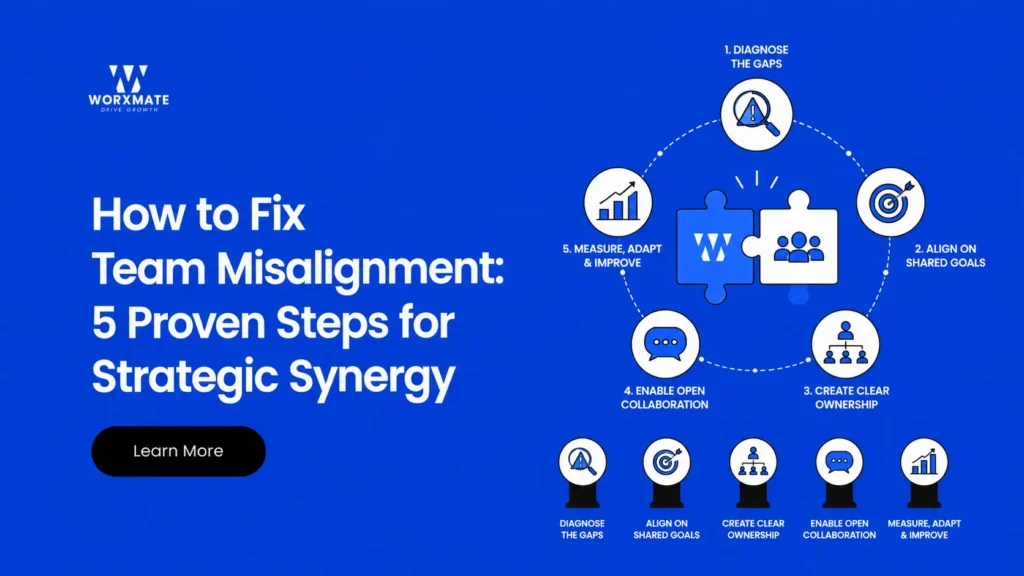
How to fix team misalignment effectively involves a structured approach to defining shared objectives, fostering transparent communication, clarifying roles, and leveraging continuous feedback. The best way to fix team misalignment is by implementing a robust OKR framework and utilizing modern performance management tools to achieve greater strategic alignment and boost overall team synergy.
Misalignment can manifest as duplicated efforts, missed deadlines, and a lack of accountability, directly impacting productivity and morale. This guide outlines five proven steps to identify, address, and ultimately fix team misalignment within your organization, ensuring everyone is pulling in the same direction towards common goals.
Team misalignment is a silent but potent threat to organizational efficiency, eroding productivity and hindering strategic execution. When teams operate in silos, pursuing disparate objectives or misunderstanding shared priorities, the entire organization suffers. Understanding how to fix team misalignment is not just about correcting course; it’s about building a resilient, cohesive workforce capable of achieving ambitious goals.
The invisible cost of such misalignment is substantial. According to a Gallup report, only 36% of U.S. employees are engaged, and disengagement often stems from a lack of clarity and connection to company goals. This disconnect directly impacts revenue, innovation, and employee retention. Identifying the red flags early—such as duplicated efforts, frequent project delays, or a palpable lack of enthusiasm—is crucial. This article provides a 5-step framework to diagnose and fix team misalignment, transforming scattered efforts into a powerful, unified drive.
The Root Causes of Strategic and Operational Misalignment
Before diving into how to fix team misalignment, it’s essential to understand its origins. Misalignment often stems from a combination of factors, including unclear strategic priorities, poor internal communication, and ill-defined roles. When leadership fails to articulate a clear strategic vision, or when that vision isn’t effectively cascaded through departments, teams inevitably lose their way. This can lead to siloed departments, where teams optimize for their own success rather than the collective good, creating significant internal communication gaps.
Operational misalignment, on the other hand, frequently arises from a lack of transparency in progress, insufficient feedback mechanisms, or the absence of robust performance management frameworks. Without a common language for goals and progress, teams can find themselves working at cross-purposes, even with the best intentions. A study by Harvard Business Review found that clear communication is the single most important factor in employee engagement, directly impacting team cohesion and strategic alignment.
Step 1: Define Shared Objectives and Key Results to Fix Team Misalignment
The first critical step to fix team misalignment is to establish clear, company-wide Objectives and Key Results (OKRs). Objectives should be aspirational and qualitative, while Key Results are measurable, time-bound indicators of progress. This provides a strategic North Star that ensures everyone understands the organization’s top priorities.
Involving teams in the goal setting for teams process fosters ownership and understanding, making it easier to fix team misalignment. For example, if the company Objective is “Become the market leader in customer satisfaction,” a department’s Key Result might be “Increase Net Promoter Score (NPS) from X to Y.”
Step 2: Foster Transparent Communication Channels for Team Synergy
Effective communication is the lifeblood of organizational alignment. To fix team misalignment, you must proactively open and maintain channels that allow information to flow freely, both vertically and horizontally. This includes regular all-hands meetings, departmental updates, and cross-functional syncs.
Beyond formal meetings, encourage informal interactions and peer-to-peer feedback. According to McKinsey, companies with highly effective internal communication are 3.5 times more likely to outperform their peers. Implementing dedicated communication platforms can significantly bridge internal communication gaps and enhance overall team synergy.
Step 3: Clarify Roles and Accountabilities to Prevent Silos
Ambiguity in roles and responsibilities is a common culprit behind siloed departments and team misalignment. To fix team misalignment, clearly define who is responsible for what, especially in cross-functional projects. This reduces duplicated efforts and ensures that all critical tasks have an owner.
Utilize tools like a RACI matrix (Responsible, Accountable, Consulted, Informed) to map out responsibilities for key initiatives. When individuals understand their contribution to the larger objective, it builds a stronger sense of purpose and helps cultivate a cohesive team environment, thereby improving overall employee engagement.
Unlock Goal Clarity and Accelerate Employee Growth
Looking to drive goal clarity and employee growth? Discover how Worxmate’s AI-powered Performance Management Software can help.
Step 4: Implement Continuous Feedback and Review Cycles to Fix Team Misalignment
Static annual reviews are insufficient for dynamic organizations. To truly fix team misalignment, adopt a culture of continuous feedback and regular check-ins. This allows for timely adjustments to goals and strategies, preventing small deviations from becoming significant problems.
Regular OKR check-ins and one-on-one meetings provide opportunities to discuss progress, address challenges, and realign efforts. This agile approach to performance management ensures that teams remain focused on the right priorities and can quickly adapt to changing circumstances, fostering true strategic alignment.
Step 5: Leverage Performance Management Software to Sustain Team Alignment
Manual tracking and disparate spreadsheets are often contributors to team misalignment. The final step to effectively fix team misalignment is to invest in dedicated performance management software. Tools like Worxmate provide a centralized platform for setting, tracking, and managing OKRs, fostering transparency across all levels.
Such platforms offer real-time dashboards, automated reminders, and analytics that highlight potential areas of misalignment before they escalate. By integrating OKRs directly into your performance management process, you empower managers and employees with the insights needed to maintain focus, drive accountability, and sustain a high level of team synergy. This makes it far easier to proactively identify and fix team misalignment.
Effectively addressing and how to fix team misalignment is a continuous journey, not a one-time fix. By systematically defining objectives, enhancing communication, clarifying roles, implementing continuous feedback, and leveraging robust performance management tools, organizations can cultivate a culture of strategic alignment and high performance. These steps not only solve current issues but also build a foundation for sustained success and unparalleled team synergy.
Ready to accelerate your strategic alignment journey? Start your free trial with Worxmate today and discover how our Performance Management software can transform your strategy into measurable results.