Award vs Reward: 5 Crucial Differences You Need to Know
Actionable insights to align your OKRs with everyday performance management-from proven frameworks to the tools that power them.
In the realm of employee recognition, the terms award and reward are often used interchangeably, yet they embody distinct concepts that can significantly influence workplace motivation and satisfaction.
Grasping the nuances between awards and rewards is essential for organizations aiming to foster a culture of appreciation and drive performance.
In this article, we will delve into the differences between awards and rewards, explore their respective roles in employee engagement, and provide actionable insights for implementing effective recognition programs.
Defining Awards and Rewards
Awards are formal acknowledgments bestowed upon individuals or teams in recognition of specific achievements, excellence, or contributions.
They are often associated with ceremonies or public announcements and carry a sense of prestige. Common examples include “Employee of the Year” titles, industry-specific accolades, or certifications of excellence.
Rewards, on the other hand, are tangible or intangible benefits given in return for specific behaviors, efforts, or outcomes. They serve as incentives to encourage desired actions and can range from monetary bonuses and gift cards to extra vacation days or verbal praise.
What is Difference Between Award and Reward
| Criteria | Awards | Rewards |
| Basis of Recognition | Granted based on merit, honoring outstanding accomplishments or excellence in a particular area. | Provided as a direct response to specific behaviors, efforts, or results, often serving as motivation for continued performance. |
| Formality and Presentation | Typically formal, presented during ceremonies or events, and often accompanied by trophies, plaques, or certificates. | Can be informal and immediate, such as a spontaneous bonus or a simple thank-you note. |
| Timing | Usually given periodically (e.g., annually or quarterly) and may involve a nomination and selection process. | Can be distributed at any time to reinforce positive behavior promptly. |
| Purpose | Aim to honor and publicly acknowledge exceptional achievements, setting benchmarks for others. | Aim to incentivize and reinforce specific behaviors or outcomes, promoting repetition of desired actions. |
Unlock Goal Clarity & Accelerate Employee Growth
Looking to drive goal clarity and employee growth? Discover how Worxmate’s AI-powered Performance Management Software can help.
The Impact of Awards and Rewards on Employee Engagement
Both awards and rewards play pivotal roles in enhancing employee engagement, but they do so through different mechanisms.
Awards contribute to:
- Elevated Morale: Public recognition boosts self-esteem and reinforces an employee’s sense of value within the organization.
- Healthy Competition: Establishing awards can inspire employees to strive for excellence, fostering a culture of high performance.
- Benchmarking Excellence: Awards set standards and exemplify the behaviors and achievements the organization values.
Rewards contribute to:
- Immediate Reinforcement: Timely rewards reinforce positive behaviors, making it more likely they will be repeated.
- Motivation: Rewards act as incentives, driving employees to achieve specific goals or complete tasks efficiently.
- Personalized Recognition: Tailored rewards can address individual preferences, enhancing the personal significance of the acknowledgment.
Case Study: Heineken’s Holistic Recognition Program
To illustrate the effective implementation of awards and rewards, let’s examine Heineken’s approach to employee recognition.
Background: Heineken sought to create a unified recognition platform that was accessible to all employees, aiming to foster fairness and consistency in acknowledging contributions.
Implementation: The company developed guidelines, instructional videos, and training materials to support different user groups within the platform, including employees, managers, and recognition ambassadors.
This comprehensive approach ensured that recognition was standardized yet adaptable to various contexts.
Outcome: By integrating both awards and rewards into their recognition strategy, Heineken achieved a balanced system that honored exceptional achievements and encouraged desired behaviors across all levels of the organization. This holistic approach contributed to a more engaged and motivated workforce.
Best Practices for Implementing Awards and Rewards Programs
To maximize the effectiveness of recognition initiatives, organizations should consider the following best practices:
- Align with Organizational Values: Ensure that both awards and rewards reflect the core values and objectives of the company, reinforcing desired behaviors that drive success.
- Maintain Transparency: Clearly communicate the criteria and processes for earning awards and rewards to foster trust and understanding among employees.
- Offer Diverse Recognition Options: Cater to varying employee preferences by providing a mix of awards and rewards, such as public acknowledgments, monetary incentives, and personalized gifts.
- Ensure Timeliness: Deliver rewards promptly after the desired behavior or achievement to reinforce the connection between actions and recognition.
- Encourage Peer-to-Peer Recognition: Empower employees to recognize each other’s contributions, promoting a culture of mutual appreciation and support.
Integrating Recognition with Performance Management Systems
To streamline and enhance recognition efforts, organizations can leverage platforms like Worxmate, which offer integrated Objectives and Key Results (OKR) and Performance Management Software (PMS) features.
- Centralized Tracking: Monitor employee achievements and contributions in real-time, facilitating timely recognition.
- Customized Recognition Programs: Design and implement tailored awards and rewards that align with organizational goals and employee preferences.
- Data-Driven Insights: Analyze the impact of recognition programs on performance metrics, allowing for continuous improvement.
By utilizing such platforms, companies can create a seamless and efficient recognition process that not only acknowledges employee efforts but also drives sustained engagement and productivity.
Conclusion
Understanding the distinction between awards and rewards is crucial for developing effective employee recognition programs. While awards honor exceptional achievements and set benchmarks for excellence, rewards serve as immediate incentives to reinforce desired behaviors.
A balanced approach that incorporates both elements can lead to a motivated, engaged, and high-performing workforce. Leveraging integrated platforms like Worxmate further enhances the ability to recognize and reward employees effectively, aligning recognition with organizational objectives and fostering a culture of appreciation.

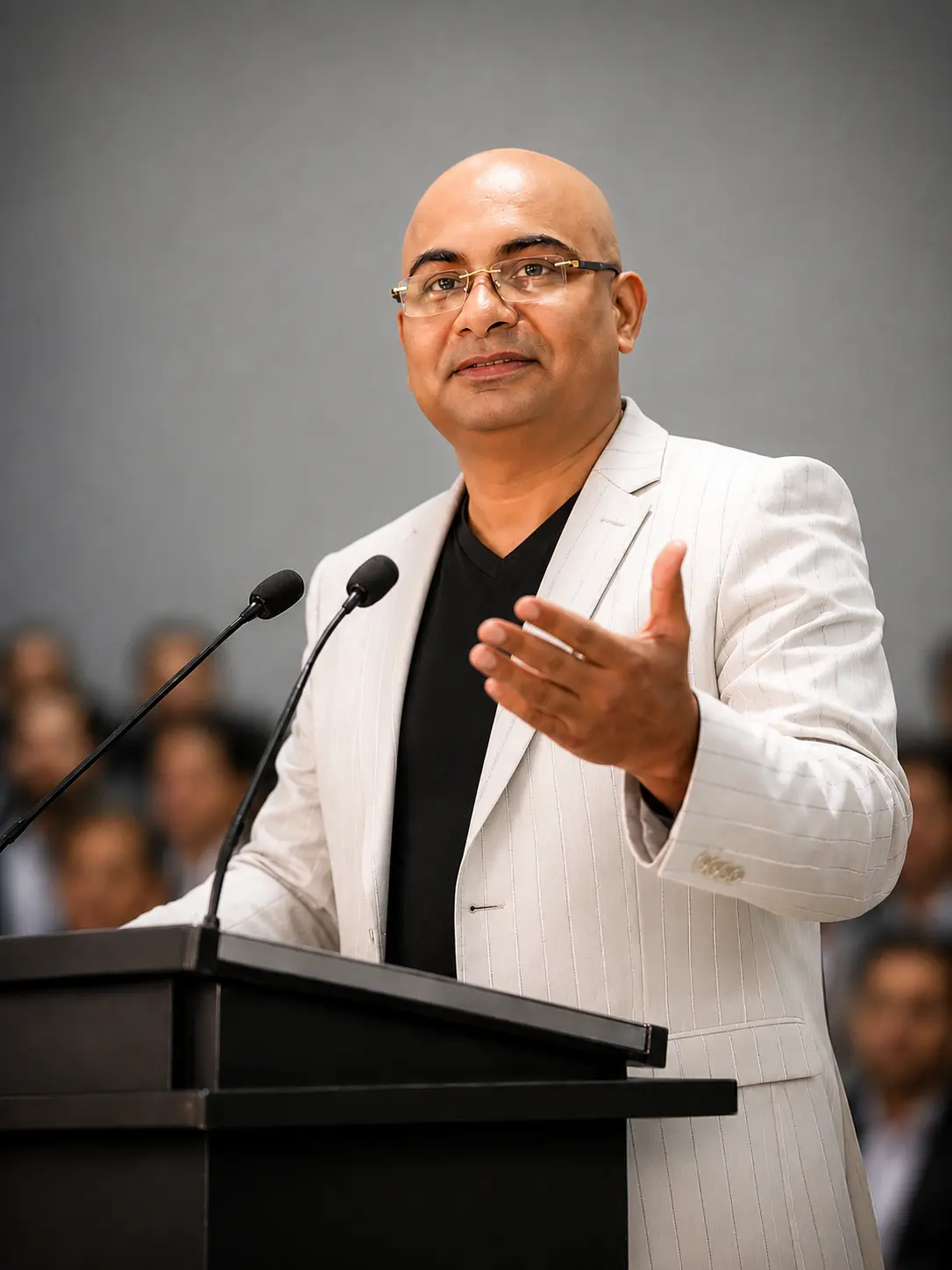
Written by
An OKR Coach with 20+ years of implementation experience, Madhusudan has guided over 50 organisations through successful OKR transformations, training more than 500 leaders. Learn more about Worxmate.
Frequently Asked Questions
An award is a formal recognition of outstanding achievement or excellence, often presented publicly. A reward is a benefit given in return for specific behaviors or results, serving as an incentive for desired actions.
Yes, an employee can receive both. For instance, winning “Employee of the Month” (an award) might come with a monetary bonus (a reward).
Common pitfalls include lack of consistency, favoritism, unclear criteria, and neglecting to gather employee feedback on the types of recognition they value.
Timely recognition reinforces the connection between the employee’s actions and the acknowledgment, increasing the likelihood of repeated positive behaviors and boosting motivation.
Awards are typically formal, distributed periodically through structured nomination processes like annual ceremonies, and feature plaques or trophies. In contrast, rewards can be informal, immediate, and spontaneous—such as a prompt thank-you note or bonus given right after a task is completed.
Integrating recognition with performance management links everyday achievements directly to strategic business goals and ongoing performance tracking. By tying rewards and awards to measurable OKRs or goal-cascading frameworks, HR leaders ensure that recognition reinforces high-impact behaviors year-round.
Heineken’s approach demonstrates the importance of building a unified, accessible platform that ensures fairness and consistency across the entire organization. A centralized recognition program allows enterprise leaders to scale both awards and rewards globally while maintaining equitable standards for all employees.
Awards elevate morale, foster healthy benchmarking, and inspire a culture of high performance by publicly highlighting excellence. Meanwhile, rewards provide immediate reinforcement and personalized incentives that directly motivate employees to repeat desired everyday behaviors.
Leaders should establish transparent criteria, balance public formal awards with timely informal rewards, and regularly align recognition criteria with overarching company goals. Ensuring consistency and fairness prevents perceived favoritism and maximizes the motivational impact of the program.