The Ultimate Guide to Constructive Feedback: Examples & How-To
Actionable insights to align your OKRs with everyday performance management-from proven frameworks to the tools that power them.
Summary:
Constructive feedback is a supportive method of communication aimed at improving performance or behavior by focusing on specific, observable actions rather than personal attributes. It provides clear guidance for change and is delivered with respect. Mastering this skill is crucial because it fuels professional growth, strengthens teams, and drives organizational success, turning potentially difficult conversations into opportunities for development.
Have you ever left a feedback session feeling deflated, confused, or even defensive? You’re not alone. Traditional criticism often misses the mark, creating resentment instead of results. But what if you could transform those awkward conversations into powerful catalysts for growth and collaboration?
The secret lies in constructive feedback. This isn’t about sugar-coating problems or avoiding tough truths. It’s a strategic, empathetic approach to communication that builds people up while clearly addressing areas for improvement. In today’s fast-paced workplace, the ability to give and receive constructive feedback effectively is not just a “soft skill”—it’s a critical driver of performance, engagement, and innovation. Let’s explore how you can master this essential art.
What is Constructive Feedback?
At its core, constructive feedback is information-specific, issue-focused, and based on observations. It is delivered with the clear intention of helping the recipient improve, learn, and succeed. Unlike destructive criticism, which attacks a person’s character, constructive feedback zeroes in on specific behaviors and outcomes.
The key difference? Destructive feedback says, “You’re bad at presentations.” Constructive feedback says, “Your data was strong, but speaking slower and making more eye contact during the next presentation could help the audience engage even more.” One demoralizes; the other empowers and provides a clear path forward.
Achieve Your Goals Faster
See how Worxmate can help your team set clear goals and achieve faster results. Book your free demo today and experience the power of AI-driven OKRs in action.
Why Constructive Feedback in the Workplace is Non-Negotiable
Ignoring the need for effective feedback has a tangible cost. According to a Gallup study, employees who receive meaningful feedback are 3.6 times more likely to be engaged at work. Engaged teams show 21% higher profitability. Conversely, a Harvard Business Review report found that a lack of feedback is one of the top reasons employees feel disconnected and eventually leave their roles.
Constructive feedback in the workplace directly fuels:
- Continuous Improvement: It closes the gap between current and desired performance.
- Stronger Relationships: It builds trust and psychological safety when delivered respectfully.
- Enhanced Innovation: It creates a culture where ideas can be challenged and refined without fear.
- Clear Expectations: It aligns individual efforts with team and organizational goals.
How to Give Constructive Feedback: The SBI Model
A simple, powerful framework for structuring your feedback is the SBI Model (Situation-Behavior-Impact), advocated by many leadership experts and resources like the Harvard Business Review.
- Situation: Describe the specific context. “During yesterday’s client check-in call…”
- Behavior: Objectively describe the observable action, avoiding labels. “…I noticed you interrupted the client three times while they were explaining their concerns.”
- Impact: Explain the effect of the behavior. “…This may have cut their thought process short and could make them feel unheard, potentially impacting the client’s trust.”
This model keeps feedback factual and focused, minimizing defensiveness.
A Step-by-Step Guide on How to Provide Constructive Feedback
- Start with Permission: A simple “Can I share some feedback on the project?” shows respect.
- Be Immediate & Specific: Address the issue soon after it occurs and stick to facts.
- Balance with Positivity (The “Feedback Sandwich” with Caution): While the classic “positive-negative-positive” sandwich can feel formulaic, acknowledging strengths builds receptivity. Ensure the constructive core is clear.
- Focus on the Future: Collaborate on a solution. “For the next report, what would help in getting the data in by the Tuesday deadline?”
- Listen Actively: Feedback is a dialogue. Understand their perspective.
Give Constructive Feedback: Real-World Examples
Let’s move from theory to practice. Here are clear examples of constructive feedback across common scenarios.
To a Direct Report on Missed Deadlines:
- “On the Q3 dashboard project, the final files were sent two days past the agreed deadline. This caused a delay in the leadership review meeting. Let’s discuss what obstacles came up and how we can adjust timelines or resources for the next cycle.”
To a Peer on Collaboration:
- “In our last brainstorming session, you shared several great ideas. I also noticed you spoke over Sara a couple of times. When that happens, her ideas don’t get fully heard, and we might miss out on a valuable perspective. Can we be mindful of letting everyone finish their thoughts?”
To a Manager on Communication:
- “I value how responsive you are. For the recent strategy shift, the key details were shared in several separate messages. I was worried I might have missed something. In the future, would a single briefing doc or a quick kick-off call help ensure the team is fully aligned?”
Achieve Your Goals Faster
See how Worxmate can help your team set clear goals and achieve faster results. Book your free demo today and experience the power of AI-driven OKRs in action.
Case Study: How Microsoft Cultivated a Culture of Constructive Feedback
Under CEO Satya Nadella, Microsoft underwent a profound cultural transformation, shifting from a “know-it-all” to a “learn-it-all” mentality. A cornerstone of this shift was reinventing their approach to constructive feedback.
The Challenge: Microsoft’s old stack-ranking system, which forced managers to rank employees against each other, fostered internal competition and discouraged honest, growth-oriented feedback.
The Solution: Nadella championed radical transparency and continuous learning. He replaced stack-ranking with a focus on continuous constructive feedback and growth mindset conversations. Tools like Deloitte’s insights on performance management were influential, moving from annual reviews to ongoing check-ins.
Leaders were trained to give specific, actionable feedback using models like SBI. Gartner research on real-time feedback was leveraged to integrate feedback tools directly into workflow platforms like Teams, making it a natural part of work.
The Result: The impact was staggering. Since this cultural pivot, Microsoft’s market valuation has increased over 10x. In internal surveys, employee satisfaction with development and feedback processes soared. As quoted in Harvard Business Review, Nadella attributed much of the success to creating a culture where “people can speak up, take risks, and know that they will be supported in their growth.” This case powerfully demonstrates that systemic, empathetic constructive feedback isn’t just an HR initiative—it’s a strategic business accelerator.
From Feedback to Growth: How Worxmate Makes It Seamless
Even with the best intentions, providing constructive feedback consistently can fall through the cracks in the daily grind. This is where modern performance management tools bridge the gap.
Worxmate is designed to embed a culture of continuous feedback and growth directly into your team’s workflow. Its integrated OKR (Objectives and Key Results) & PMS (Performance Management System) features transform feedback from a sporadic event into an ongoing dialogue.
- Align Feedback with Goals: In Worxmate, feedback is directly linked to specific OKRs. This ensures every piece of constructive feedback is contextual, relevant, and tied to shared objectives, moving beyond vague comments to targeted guidance.
- Facilitate Regular Check-Ins: The platform enables easy scheduling and documentation of 1-on-1s, making it simple to practice the SBI model and collaborate on action plans.
- Create a Centralized Feedback History: All feedback is logged and accessible, allowing employees and managers to track growth over time and celebrate progress, turning feedback into a visible journey of development.
Stop letting valuable insights go unspoken. Start your free trial of Worxmate today and foster a true growth culture today!

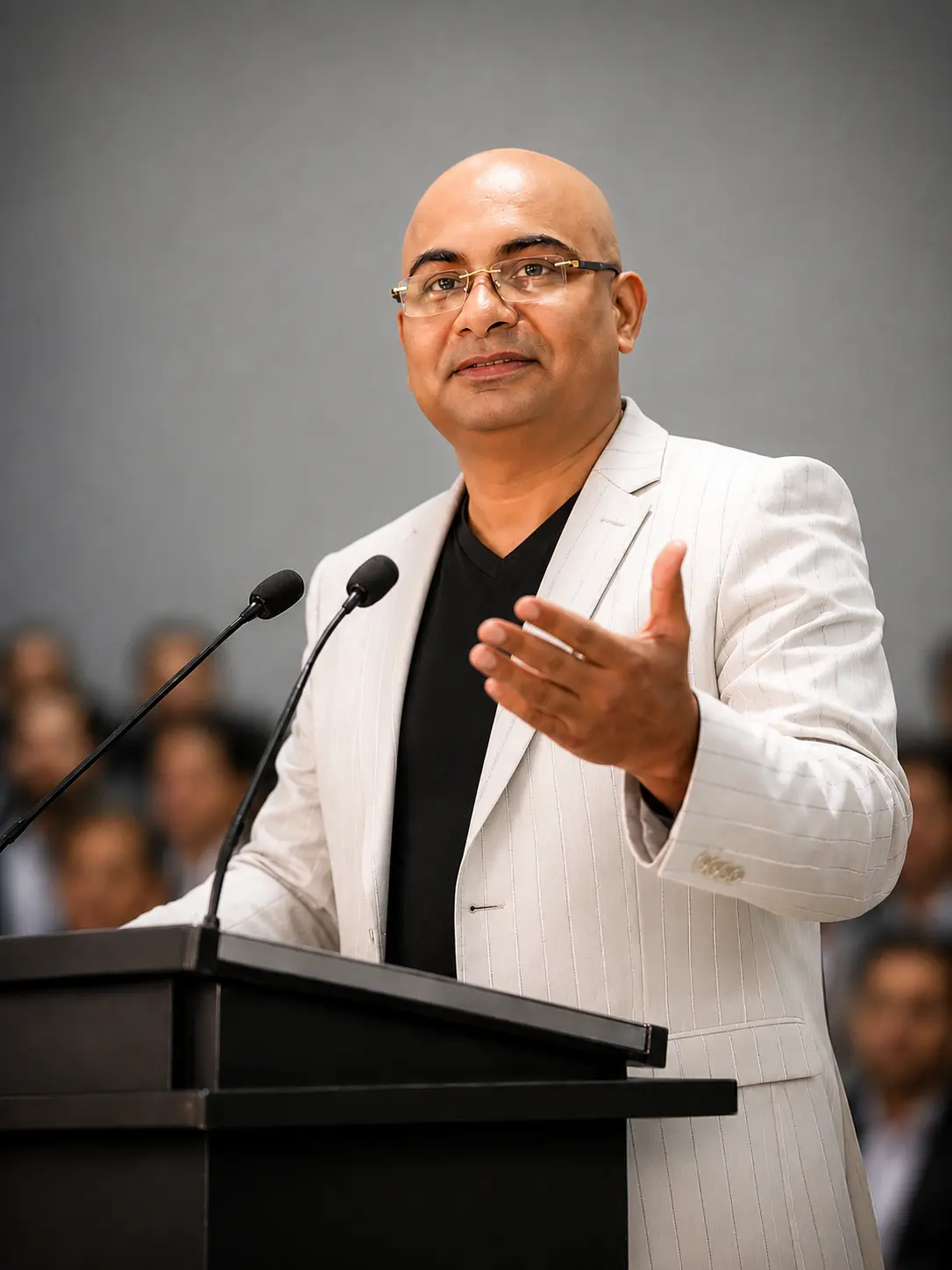
Written by
An OKR Coach with 20+ years of implementation experience, Madhusudan has guided over 50 organisations through successful OKR transformations, training more than 500 leaders. Learn more about Worxmate.
Frequently Asked Questions
Criticism often focuses on what went wrong in a general or personal way. Constructive feedback is specific, behavior-focused, and includes actionable suggestions for improvement, delivered with respect and a desire to help.
Aim for a ratio of at least 3-5 pieces of positive reinforcement for every piece of constructive feedback. The feedback itself should be timely and continuous, not saved for annual reviews. Little and often is more effective.
First, ensure you delivered it clearly and empathetically. If it persists, frame it around the impact on shared goals. You might say, “I’ve mentioned the deadline impact a couple of times. This is critical for our team goal. What support do you need to meet it?” If it’s a serious performance issue, document it and escalate appropriately.
Absolutely. It’s essential for healthy teams. Use a respectful tone, focus on your perspective and the impact (SBI model), and suggest a solution. For example, “In meetings when multiple ideas are discussed quickly, I sometimes lose the final action items. Could we dedicate the last minute to summarizing decisions?”
When working remotely, clearly define the Situation with date and channel context, state the Behavior using documented outputs or meeting recordings, and explain the Impact on team deliverables. Delivering this through structured communication channels helps maintain psychological safety without the need for an immediate face-to-face confrontation.
Microsoft’s cultural transformation demonstrates that shifting from a fixed ‘know-it-all’ mindset to a growth-oriented ‘learn-it-all’ approach normalizes ongoing performance discussions. By embedding peer-to-peer feedback into daily routines, enterprises can break down departmental silos and foster continuous innovation at scale.
Worxmate bridges the gap between daily communication and strategic alignment by connecting feedback directly to individual and team OKRs. This ensures that behavioral adjustments discussed during coaching sessions directly support broader enterprise goals and trackable performance milestones.
HR leaders can standardize feedback quality by rolling out shared frameworks like the SBI model and leveraging digital platforms to prompt regular check-ins. Centralizing these performance conversations prevents managerial bias and aligns feedback standards across diverse departments.
Moving away from traditional annual reviews requires embedding feedback touchpoints into routine project retrospectives and weekly 1-on-1s. Utilizing a strategy execution platform like Worxmate helps automate these reminders, ensuring feedback becomes an organic habit rather than a dreaded event.