
Which OKR Examples for BFSI in India Drive Growth? 6 Essential Picks
Actionable insights to align your OKRs with everyday performance management-from proven frameworks to the tools that power them.
Summary
OKR examples for BFSI companies in India help financial institutions align strategic objectives with measurable outcomes, driving growth and compliance in a rapidly evolving market. They provide a clear framework for banks, insurance providers, and NBFCs to focus efforts on critical initiatives, from digital transformation to customer experience.
In India’s dynamic BFSI sector, setting precise and actionable goals is paramount. These OKR examples for BFSI companies in India offer a practical approach to translate ambitious visions into concrete plans, ensuring teams are synchronized and accountable for delivering tangible results that meet both business and regulatory demands.
India’s Banking, Financial Services, and Insurance (BFSI) sector is undergoing unprecedented transformation, driven by digital disruption, evolving customer expectations, and stringent regulatory landscapes. For C-suite executives, department heads, and HR leaders within these institutions, translating strategic vision into measurable execution is a constant challenge. Traditional performance metrics often fall short in fostering the agility and innovation required to thrive in this environment.
Objectives and Key Results (OKRs) offer a powerful framework to navigate these complexities. Unlike static KPIs, OKRs are dynamic, aspirational, and designed to drive significant, measurable progress. They foster OKR alignment across teams, from the executive board down to individual contributors, ensuring everyone is pulling in the same direction toward shared strategic goals.
In this article, we’ve compiled 6 essential OKR examples for BFSI companies in India, tailored to address the unique opportunities and challenges faced by retail banking, insurance, NBFCs, and fintech segments. These examples provide a blueprint for implementing an OKR framework that enhances operational efficiency, boosts customer engagement, and ensures regulatory adherence.
The Shift from KPIs to OKRs in Indian BFSI
The Indian BFSI landscape, historically reliant on Key Performance Indicators (KPIs), is increasingly recognizing the need for a more dynamic goal-setting approach. While KPIs are excellent for tracking operational efficiency and maintaining status quo, they often lack the aspirational drive and strategic alignment that OKRs provide. This shift to OKR examples for BFSI companies in India is about moving from simply measuring what happened to actively driving what will happen, fostering innovation, and responding swiftly to market changes. According to a McKinsey report, digital channels could account for up to 70% of new customer acquisition for Indian banks by 2025, underscoring the need for outcome-focused strategies.
1. OKR Examples for Retail and Commercial Banking
The goal is to enhance digital customer engagement and expand the loan portfolio for retail and commercial banking segments. This involves improving the digital user experience, increasing product adoption, and streamlining the loan application process. Key results will include specific metrics related to digital platform usage, loan disbursement, and customer satisfaction.
-
Objective:
Accelerate Digital Adoption and Loan Growth
-
Key Results:
- Key Result 1: Implement a new mobile banking app with enhanced UX features, achieving a 4.5-star average rating by quarter-end.
- Key Result 2: Increase active digital banking users by 25% through targeted in-app promotions and educational campaigns.
- Key Result 3: Grow retail and commercial loan disbursements by 15% via a fully digitized application and approval process.
2. OKR Examples for General and Life Insurance Providers
The goal is to improve policyholder retention and expand market penetration, particularly for new-age digital products. This involves optimizing claims processing, personalizing customer communication, and launching innovative insurance solutions. Key results will focus on retention rates, claims settlement efficiency, and new policy sales through digital channels. These OKR examples for BFSI companies in India highlight the balance between service quality and growth.
-
Objective:
Enhance Policyholder Experience and Market Reach
-
Key Results:
- Key Result 1: Reduce average claims processing time by 20% by implementing an AI-driven claims automation system.
- Key Result 2: Increase policyholder retention rate by 5% through proactive communication and personalized service offerings.
- Key Result 3: Achieve a 10% market share in digital-first insurance products by launching two new offerings.
3. Digital Banking and Fintech-Specific OKR Samples
The goal is to innovate and deliver cutting-edge digital financial solutions that capture new market segments. This involves rapid product development, seamless integration with partner ecosystems, and ensuring a superior digital user experience. Key results will focus on new feature releases, user engagement metrics, and strategic partnerships. These OKR examples for BFSI companies in India are vital for staying competitive.
-
Objective:
Lead Innovation in Digital Financial Products
-
Key Results:
- Key Result 1: Launch two new AI-powered financial advisory features within the digital banking platform by end of Q2.
- Key Result 2: Increase daily active users (DAU) for the new digital features by 30% through intuitive design and marketing.
- Key Result 3: Secure three strategic partnerships with leading fintechs to expand service offerings by year-end.
4. Aligning OKRs with RBI and IRDAI Regulatory Compliance
The goal is to ensure robust adherence to all regulatory guidelines issued by the RBI and IRDAI while maintaining operational agility. This involves implementing proactive compliance monitoring systems, enhancing data security protocols, and conducting regular internal audits. Key results will measure audit success rates, incident reduction, and training completion. These OKR examples for BFSI companies in India cannot overlook compliance.
-
Objective:
Strengthen Regulatory Compliance and Risk Management
-
Key Results:
- Key Result 1: Implement a new real-time compliance monitoring dashboard for 100% of critical RBI/IRDAI regulations.
- Key Result 2: Reduce the number of compliance-related incidents by 25% through enhanced training and automated alerts.
- Key Result 3: Achieve a ‘Satisfactory’ rating or higher in all internal and external regulatory audits by year-end.
Unlock Goal Clarity and Accelerate Employee Growth
Looking to drive goal clarity and employee growth? Discover how Worxmate’s AI-powered Performance Management Software can help.
5. Enhancing Employee Capability and Culture
The goal is to cultivate a high-performance culture and enhance employee skills to meet future demands. This involves investing in continuous learning platforms, fostering a growth mindset, and improving internal communication. Key results will measure training program completion, employee engagement scores, and skill development. These OKR examples for BFSI companies in India also focus on internal growth.
-
Objective:
Develop Future-Ready Talent and Agile Culture
-
Key Results:
- Key Result 1: Launch a mandatory digital upskilling program, with 90% employee completion across all departments by Q3.
- Key Result 2: Increase employee engagement score by 10% in the annual survey through targeted feedback mechanisms.
- Key Result 3: Implement cross-functional team projects, resulting in 15% improvement in inter-departmental collaboration metrics.
6. Best Practices for Implementing OKRs in Large Financial Institutions
For large financial institutions, successful OKR implementation hinges on clear communication, strong leadership buy-in, and iterative processes. It’s not just about setting OKR examples for BFSI companies in India, but about embedding them into the organizational DNA. The PwC India Fintech Report 2023 notes that 75% of Indian consumers have adopted at least one fintech product, emphasizing the need for financial institutions to adapt quickly. This means moving beyond a top-down mandate to fostering a culture of ownership and continuous feedback. Regular OKR check-ins and transparent tracking are paramount.
-
Objective:
Establish a Mature and Integrated OKR Framework
-
Key Results:
- Key Result 1: Train 100% of management and 80% of employees on the OKR framework and best practices by Q1.
- Key Result 2: Achieve 95% cross-functional goal alignment between department OKRs and company-level OKRs.
- Key Result 3: Conduct quarterly OKR reviews with 100% participation from all teams, with actionable insights recorded.
Setting clear, actionable OKR examples for BFSI companies in India empowers financial institutions to align their teams, measure success, and drive real business impact. Whether you’re aiming to accelerate digital transformation, enhance customer experience, or ensure regulatory compliance, the right OKRs keep your strategy focused and your teams accountable.
By implementing these OKR examples for BFSI companies in India, organizations can strengthen organizational alignment across departments, maintain momentum through structured real-time OKR tracking, and pursue measurable goals with full visibility into what’s working. It’s time to move beyond transactional tasks and toward strategic priorities that directly move the needle in the Indian financial sector.
Ready to align your BFSI goals with real outcomes? Explore how OKR software brings structure to your goal-setting, use OKR alignment to connect team efforts to company priorities, and sustain progress through a consistent OKR cycle. Start your free trial with Worxmate and turn your BFSI objectives into results that actually move the needle.

Written by
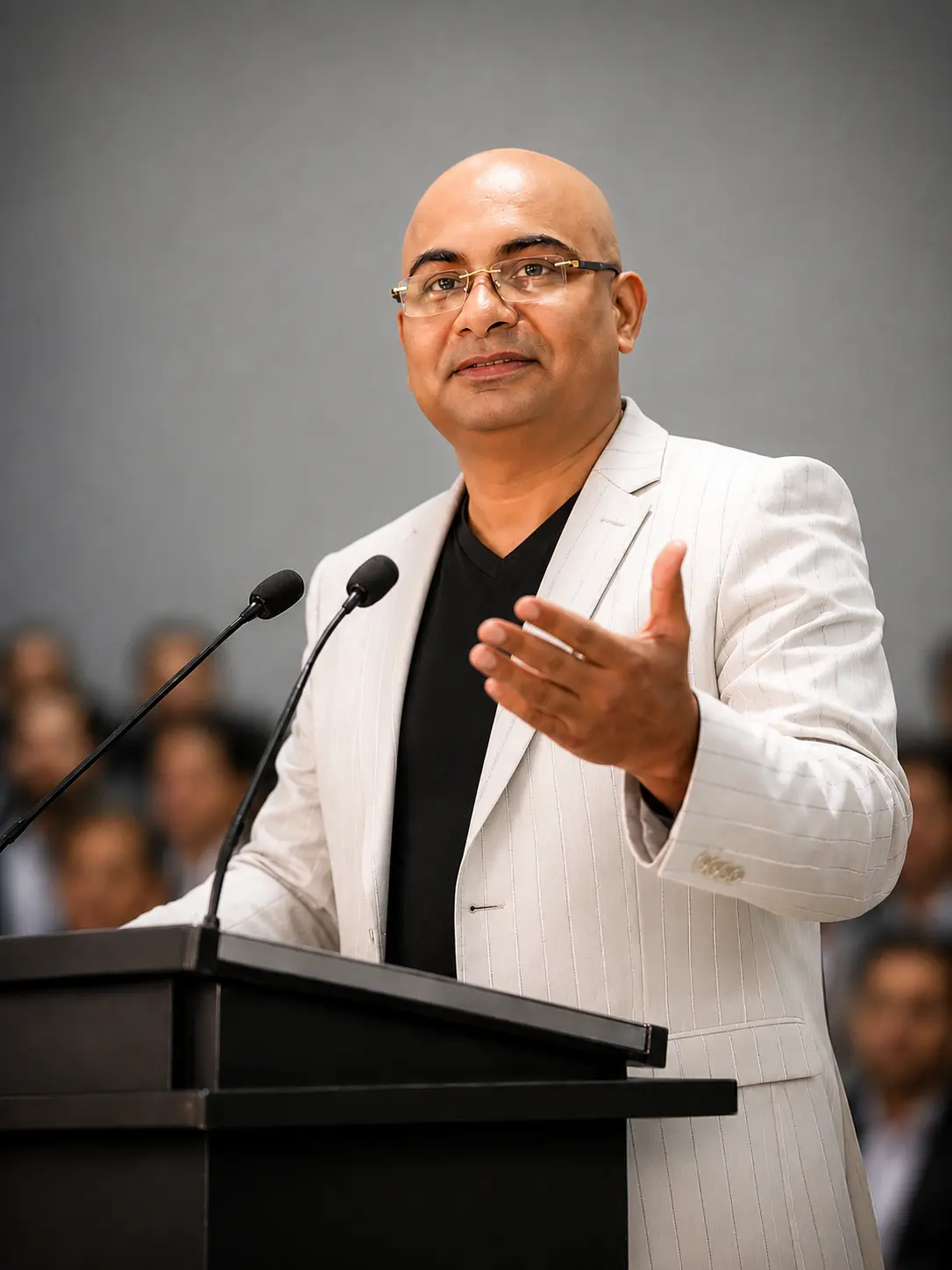
An OKR Coach with 20+ years of implementation experience, Madhusudan has guided over 50 organisations through successful OKR transformations, training more than 500 leaders. Learn more about Worxmate.
Frequently Asked Questions
OKRs (Objectives and Key Results) are a goal-setting framework that helps organizations define ambitious, measurable goals and track their progress. For BFSI companies in India, OKRs are crucial for driving digital transformation, enhancing customer experience, and ensuring regulatory compliance in a rapidly evolving market. According to a McKinsey report, digital channels could account for up to 70% of new customer acquisition for Indian banks by 2025, highlighting the need for outcome-focused strategies.
BFSI companies can use OKRs to set clear objectives for digital transformation, such as “Accelerate Digital Adoption” or “Lead Innovation in Digital Financial Products.” Key Results would then measure specific outcomes like increasing active digital users by a certain percentage, launching new AI-powered features, or reducing digital transaction processing times. This ensures transformation efforts are measurable and aligned with strategic business outcomes.
Implementing OKR examples for BFSI companies in India can yield significant ROI through improved strategic alignment, enhanced employee engagement, faster execution of digital initiatives, and better compliance. Companies like Google and Intel have shown how OKRs drive focus and accountability, leading to measurable growth and innovation, which directly translates to competitive advantage and increased profitability in the BFSI sector.
Common pitfalls when setting BFSI OKRs in India include setting too many objectives, making Key Results activities instead of measurable outcomes, failing to align OKRs across departments, and neglecting regular check-ins. Another mistake is treating OKRs as a performance appraisal tool, which can stifle ambition. Instead, focus on creating ambitious yet achievable goals with transparent tracking and continuous feedback.
Insurance providers should focus on objectives like ‘Enhance Claims Processing Efficiency’ or ‘Expand Rural Market Penetration.’ Key Results should measure specific outcomes such as reducing claim settlement turnaround time (TAT) by 20% or increasing policy renewals via digital channels by 15%, ensuring alignment with IRDAI growth mandates.
OKRs translate complex regulatory requirements into actionable goals, such as ‘Achieve 100% Compliance with New RBI Cybersecurity Guidelines.’ By setting Key Results around audit scores, risk mitigation milestones, and reporting accuracy, institutions ensure that compliance is a proactive strategic priority rather than a reactive checklist.
Fintechs should prioritize agility and user acquisition with objectives like ‘Dominating the UPI Merchant Ecosystem’ or ‘Optimizing Digital Lending Friction.’ Measurable Key Results include achieving a specific Customer Acquisition Cost (CAC) threshold, increasing the loan disbursement-to-application ratio, or maintaining a 4.5+ app store rating.
Large institutions use goal cascading to link high-level strategic objectives, like ‘Increasing Net Interest Margin (NIM),’ down to specific departmental Key Results. Using a platform like Worxmate allows leaders to visualize these dependencies, ensuring that every branch and unit’s efforts directly contribute to the bank’s overall growth and profitability targets.
Managing OKRs across thousands of employees in the BFSI sector requires automated tracking and real-time insights that spreadsheets cannot provide. Worxmate’s AI-powered platform simplifies goal cascading, ensures data-driven check-ins, and provides the visibility needed to pivot strategies quickly in response to India’s volatile financial market.