Top 10 Performance Management Trends 2026: The PMS Shift
Actionable insights to align your OKRs with everyday performance management-from proven frameworks to the tools that power them.
Performance Management Trends 2026: Modern organizations are rapidly replacing rigid annual reviews with continuous performance management, agile OKRs, and AI-driven insights. To evaluate leading platforms in this evolving landscape, explore top performance review tools that align strategy execution with real-time employee feedback. Is your annual review process keeping up with the pace of modern business? A major performance management trend is emerging, replacing the old top-down, once-a-year review with a continuous, agile system focused on growth. This shift isn’t just a fad; it’s a response to the need for real-time feedback and tangible business results. By embracing this performance management trend, companies are boosting employee engagement and leveraging data to make smarter decisions. For leaders aiming to create a future-ready team, adapting to this performance management trends is the key to building resilience and driving high performance in a constantly changing world.
Gone are the days when performance management was a dreaded, once-a-year ritual involving a rigid form and a stressful meeting. The corporate world is undergoing a seismic shift. In 2026, managing performance is less about retrospective judgment and more about continuous growth, real-time alignment, and fostering human potential. As hybrid work solidifies and AI transforms every business function, the systems we use to coach, evaluate, and empower our people must evolve just as rapidly.
Why should you care? Because the future of work is here. Organizations clinging to outdated performance management models are already seeing higher turnover, lower engagement, and a growing disconnect between employee effort and strategic goals. Staying ahead of the latest performance management trends is no longer optional—it’s a critical business imperative for attracting talent, boosting productivity, and driving innovation. Let’s dive into the PMS trends 2026that will define the winners and losers in the talent arena.
The Continuous Performance Conversation
The annual review is on life support. Modern PMS practices demand ongoing feedback. This means moving from a monolithic annual event to a fluid cycle of regular check-ins, project-based feedback, and coaching conversations.
Managers are transitioning from scorekeepers to coaches. The goal is to address challenges in real-time, celebrate wins promptly, and adjust goals dynamically. This shift not only improves performance but also significantly boosts employee engagement and psychological safety.
AI-Powered, Data-Driven Insights
HR tech trends 2026 are dominated by Artificial Intelligence. AI in performance management moves beyond simple automation to provide predictive analytics and deep insights. Platforms can now analyze project outcomes, communication patterns, and peer feedback to give a holistic, unbiased view of contributions.
This helps in identifying skill gaps, predicting flight risks, and recommending personalized development paths. It takes the guesswork out of people management, allowing leaders to make decisions based on data, not just intuition or recency bias.
Skills and Competency Frameworks Over Job Titles
The future of performance management is skills-based. As roles become more fluid and project-based, organizations are shifting focus from what job title someone holds to what skills they possess and apply. Performance review trends now involve mapping individual skills against strategic business needs.
This approach fosters internal mobility, helps in building more agile teams, and allows employees to chart career paths based on skill acquisition. It’s a powerful way to future-proof your workforce.
Integrating Well-being and Performance
Employee well-being is no longer a separate HR initiative; it’s a core component of performance. Burnout is a performance killer. Progressive PMS systems in 2026 are incorporating well-being metrics—like workload balance, stress indicators, and engagement scores—into the performance dialogue.
Managers are encouraged to have conversations about sustainable productivity. This holistic approach recognizes that a thriving employee is a high-performing employee, leading to better retention and resilience.
Goal Agility with OKRs and Dynamic Goal Setting
Static annual goals are obsolete. The winning methodology is Objectives and Key Results (OKRs), which promotes alignment, ambition, and quarterly agility. Goals are set collaboratively, transparently, and are regularly reviewed and adjusted.
360-Degree Feedback and Peer Recognition
Performance is becoming a team sport, and feedback is crowdsourced. Structured 360-degree reviews are being supplemented by informal, real-time peer recognition tools integrated directly into workflow platforms like Slack or Teams.
This democratizes recognition, surfaces insights from those who work most closely with an individual, and fosters a collaborative culture. It provides a more rounded and fair view of an employee’s impact.
Personalized Learning and Development Integration
The boundary between performance management and learning is blurring. The outcome of a performance conversation should immediately link to a personalized learning opportunity. Modern PMS platforms recommend courses, mentors, or stretch assignments based on discussed goals and skill gaps.
This ensures every team member’s work is directly tied to the company’s most critical objectives, creating a powerful line of sight from individual effort to organizational success. It’s the ultimate tool for strategic execution.
Case Study: How Unilever is Redefining Performance for the Future
Global consumer goods giant Unilever provides a compelling real-world example of modern performance management in action. Faced with the need for greater agility and employee-centricity, Unilever undertook a massive transformation of its HR practices.
The Challenge: Unilever’s legacy system was a traditional annual review process that was time-consuming, manager-heavy, and failed to provide real-time value or growth for its 150,000+ employees.
The Solution & Implementation: Partnering with insights from leading consultancies on human-centric design, Unilever launched “UFeedback,” a new continuous performance model. Key features included:
-
Abolishing Annual Ratings: They removed the year-end numeric rating, reducing anxiety and shifting focus to development.
-
Introducing “Growth Conversations”: These are regular, future-focused check-ins where managers act as coaches, discussing aspirations, skills, and immediate feedback.
-
Leveraging Technology for “Always-On” Feedback: They implemented a mobile-enabled platform where employees can give and request feedback from anyone in the network at any time, not just managers.
-
Focusing on Strengths and Purpose: Conversations are designed to help employees understand how their unique strengths contribute to Unilever’s purpose-led brands.
Results & Impact: According to internal data and analysis reported by Harvard Business Review , the transformation yielded significant results:
-
Time Saved: Managers reclaimed over 100,000 hours previously spent on administrative rating exercises.
-
Increased Engagement: Employees reported a stronger sense of growth and purpose.
-
Enhanced Agility: The system allowed for faster recalibration of goals in response to market changes.
A Unilever HR leader stated, “We moved from a judgment-oriented process to a development-oriented one. It’s about growth, not governance.” This case perfectly illustrates the power of prioritizing continuous conversation and employee development over bureaucratic assessment—a cornerstone of PMS trends 2026.
Conclusion: Are You Ready for the Future of Performance Management?
Unlock Goal Clarity & Accelerate Employee Growth
Looking to drive goal clarity and employee growth? Discover how Worxmate’s AI-powered Performance Management Software can help.
Comparing Enterprise Bloat vs Agile Execution
When evaluating modern platforms against legacy enterprise software like Lattice, mid-market organizations often face excessive starting costs and clunky workflows. Below is a detailed breakdown comparing modern performance management approaches across critical operational dimensions.
| Feature / Capability | Lattice (Legacy Enterprise) | Worxmate (Agile PMS & OKRs) |
|---|---|---|
| Primary Philosophy | Retrospective reviews with bolted-on OKRs | Continuous alignment, check-ins, and strategy execution |
| AI Capabilities | Basic sentiment and summary tools | Predictive analytics, flight-risk modeling, and skill mapping |
| Performance Management | Heavy annual/quarterly review cycles | Continuous feedback, 360-degree feedback, and 1:1 check-ins |
| Goal-to-Task Link | Disconnected strategic and operational goals | Native link from strategic OKRs down to frontline tasks |
| Ease of Use | Steep learning curve with high administrative overhead | Intuitive UI built for rapid enterprise adoption |
| Pricing Model | $11+/user/month plus mandatory platform fees | Cost-effective agile licensing for half the investment |
| Best For | Large enterprises with dedicated HR admin teams | Mid-market & distributed teams needing operational speed |
The performance management trends of 2026 paint a clear picture: the future is continuous, human-centric, data-informed, and deeply integrated with business strategy. Success will belong to organizations that empower their people with real-time coaching, agile goals, and personalized growth paths, all supported by intelligent technology.
Navigating this shift requires a platform built for this new era. This is where Worxmate comes in. This directly accelerates measurable key results across the entire organization. Tracking a real-time confidence score helps identify at-risk targets before quarter-end. Surfacing operational blockers early ensures leadership can clear obstacles quickly. Seamless cascading ensures department milestones stay synchronized with company strategy. Strong goal alignment eliminates siloed efforts and connects daily work to strategic outcomes.
Worxmate is designed as the all-in-one performance and engagement hub that embodies these very trends. With Worxmate, you can:
- Implement agile OKRs to ensure perfect strategic alignment and goal agility.
- Facilitate continuous feedback and structured check-ins to replace the archaic annual review.
- Leverage insightful analytics to understand team health, performance patterns, and development needs.
- Integrate recognition and growth seamlessly into the daily workflow.
Don’t let an outdated PMS hold your team back. Transform your performance management into a strategic advantage.
Ready to embrace the future of performance management? [Explore Worxmate’s OKR & PMS features today and see how we can help you build a thriving, high-performance culture.]

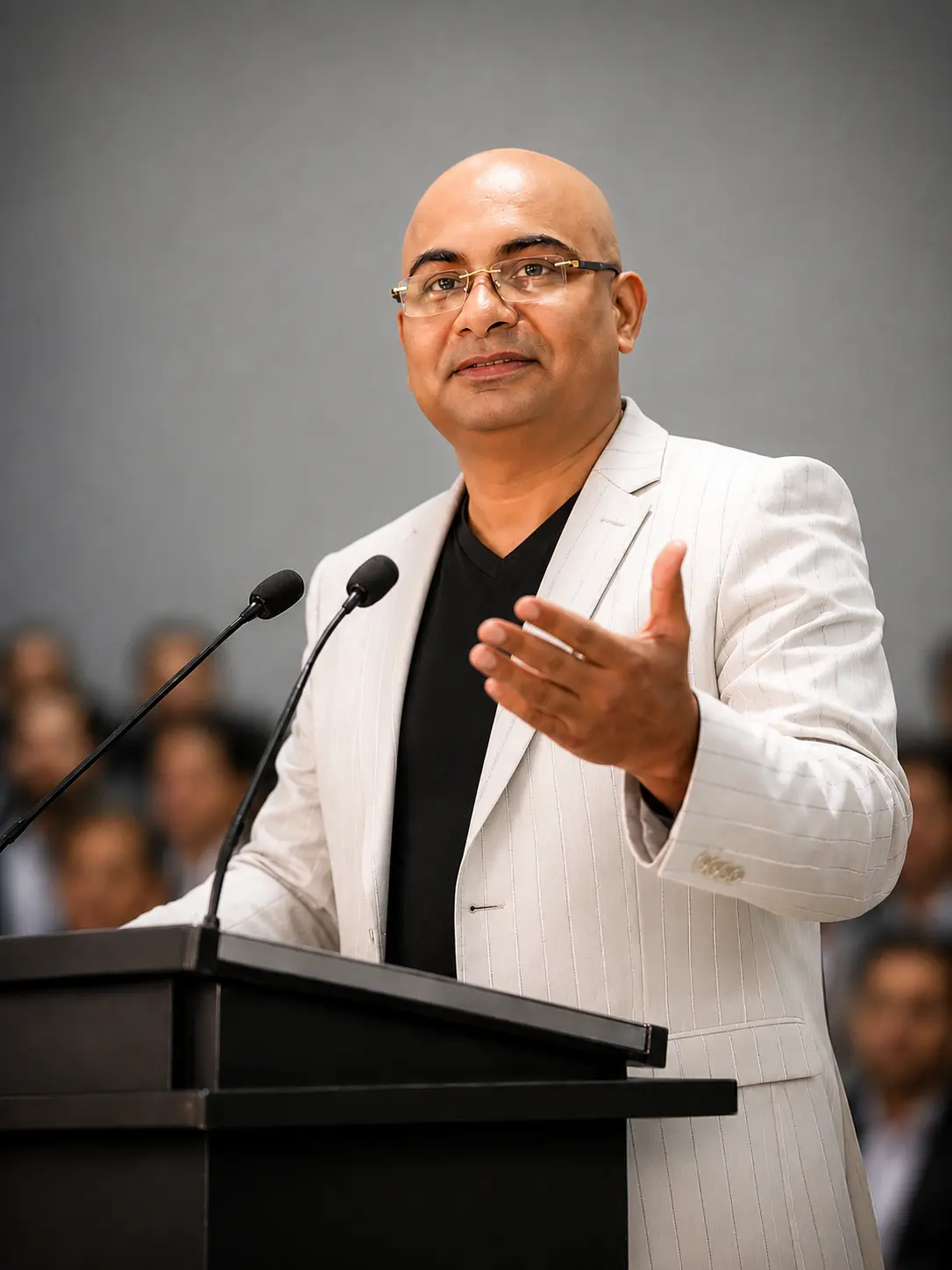
Written by
An OKR Coach with 20+ years of implementation experience, Madhusudan has guided over 50 organisations through successful OKR transformations, training more than 500 leaders. Learn more about Worxmate.
Frequently Asked Questions
The top trends include continuous performance management, AI-driven predictive insights, agile OKRs replacing static annual goals, and the integration of employee well-being directly into daily review cycles.
Many mid-market organizations find enterprise tools too expensive and rigid, prompting migration to agile alternatives that combine OKRs and continuous feedback for half the total investment.
Objectives and Key Results (OKRs) ensure that every employee’s weekly check-in and key results directly ladder up to broader company milestones and strategic priorities.
Continuous performance management is an agile approach replacing annual reviews with regular 1:1 check-ins, real-time employee feedback, and ongoing coaching conversations.
AI automates routine sentiment analysis, identifies skill gaps, tracks project outcomes, and eliminates recency bias by providing holistic data on employee contributions.
Yes. Advanced platforms feature native operational task tracking and mobile check-ins tailored for distributed workforce models across logistics, healthcare, and IT sectors.
Structured 360 feedback and peer recognition tools democratize performance insights, surfacing feedback from colleagues who work closest with the team member.
Progressive PMS systems track workload balance, stress indicators, and engagement scores alongside performance metrics to prevent burnout and ensure sustainable productivity.
As roles become fluid, mapping specific skills against strategic business needs fosters internal mobility and builds agile teams better equipped for rapid market changes.
Worxmate offers an agile, cost-effective alternative combining OKRs, 360 reviews, and operational task tracking for half the investment of legacy enterprise suites.