How to Implement Modern Performance Appraisal Methods: 6 Proven Steps
Actionable insights to align your OKRs with everyday performance management-from proven frameworks to the tools that power them.

Modern Performance Appraisal Methods: Shifting from retroactive annual reviews to a dynamic, continuous feedback loop prioritizes employee development, agile goal alignment, and real-time performance tracking using tools like employee performance software.
Implementing modern performance appraisal methods requires a shift from retroactive annual reviews to a dynamic, continuous feedback loop that prioritizes employee development and real-time alignment. By integrating 360-degree feedback, the OKR framework, and agile check-ins, organizations can move beyond administrative compliance toward meaningful performance improvement.
Most mid-market companies struggle with legacy systems that fail to motivate staff or provide actionable data. This guide outlines the essential steps to transition your organization to modern performance appraisal methods that drive engagement and measurable business outcomes.
Traditional performance reviews are rapidly becoming obsolete in the modern workplace. For decades, the annual appraisal served as a standard but flawed tool for assessing value, often resulting in recency bias and employee disengagement. Today, the focus has shifted toward outcome-driven performance management, which emphasizes future growth over past mistakes.
According to a study by McKinsey, 54% of respondents stated that their current performance management processes have not had a positive effect on employee performance. This disconnect highlights the urgent need for a more responsive and human-centric approach to talent development.
To modernize your strategy, you must rethink how goals are set, how feedback is delivered, and how technology supports these interactions. This article provides a clear, six-step roadmap to adopting modern performance appraisal methods that align with the needs of a high-growth, agile workforce.
Step 1: Define the Evolution of Modern Performance Appraisal Methods
Establish a clear understanding of why your organization is moving away from traditional, infrequent reviews toward a more holistic model. This step involves auditing your current culture to identify where legacy systems are creating bottlenecks in productivity or morale.
Leading companies like Adobe famously abandoned annual rankings in favor of Check-ins, which contributed to a 30% reduction in voluntary turnover. Defining this shift helps leadership understand that modern performance appraisal methods are not just an HR initiative but a strategic business necessity.
The Point: Transitioning away from legacy review cycles requires deep executive buy-in and a clear understanding of current organizational bottlenecks.
Key Takeaway: Create a comparison chart for your executive team that highlights the ROI of frequent feedback versus the administrative cost of annual reviews.
Step 2: Implement Continuous Performance Management
Replace the once-a-year meeting with a system of ongoing dialogue between managers and employees. Continuous feedback ensures that performance issues are addressed in real-time, preventing small problems from snowballing into major setbacks.
According to Gallup, only 14% of employees strongly agree that their performance reviews inspire them to improve. By adopting continuous performance management software, you create a culture where development is a daily priority rather than an annual event.
Set a cadence for bi-weekly one-on-one meetings focused on progress, roadblocks, and immediate skill development. This habit keeps strategy execution tight and visible across distributed teams.
Step 3: Deploy 360-Degree Feedback for Modern Performance Appraisal Methods
Gather insights from a variety of sources, including peers, direct reports, and cross-functional partners, to build a comprehensive view of an employee’s impact. This reduces the bias inherent in top-down reviews and provides a more accurate reflection of quality of work.
Research from Gartner suggests that 360-degree feedback increases self-awareness and accountability across the organization. In modern performance appraisal methods, this multi-rater approach is essential for identifying hidden leaders and improving team collaboration.
Use anonymous surveys for peer reviews to ensure honesty, but keep the focus on constructive employee feedback examples that the recipient can act upon.
Unlock Goal Clarity and Accelerate Employee Growth
Looking to drive goal clarity and employee growth? Discover how Worxmate’s AI-powered Performance Management Software can help.
Step 4: Adopt the OKR Framework to Align Goals
Utilize the OKR framework (Objectives and Key Results) to connect individual efforts to the company’s strategic priorities. Unlike traditional management by objectives (MBO), OKRs are designed to be transparent, ambitious, and frequently updated.
Google has used OKRs since its early days to maintain focus during rapid scaling. By integrating this framework into your modern performance appraisal methods, you ensure that every employee understands how their daily tasks contribute to the organization’s long-term vision.
An Objective might be “Achieve Record-Breaking Customer Satisfaction,” with a Key Result of “Reduce average support response time to under 2 hours.”
Step 5: Utilize Agile Performance Reviews in Modern Performance Appraisal Methods
Adopt short-cycle reviews that mirror the speed of modern business. Agile reviews focus on short-term goals and quick pivots, allowing teams to adjust their focus as market conditions or project requirements change.
Deloitte found that 79% of executives rate the design of performance management as a high priority for their organization. Agile methods allow for sprint reviews every quarter, ensuring that modern performance appraisal methods stay relevant in a fast-paced business environment.
End each agile review with a clear action plan for the next 90 days to maintain momentum and ensure clear accountability.
Step 6: Integrate Performance Management Software for Efficiency
Leverage technology to automate the logistics of data collection, goal tracking, and feedback scheduling. Without robust performance management software for HR teams, the administrative burden of continuous feedback can become overwhelming.
Modern platforms provide real-time performance dashboards that help managers identify high-performers and those needing support before the end of a cycle. This ensures that modern performance appraisal methods are data-driven and scalable as your company grows.
Use software to automate the distribution of employee self-review examples, saving hours of manual follow-up for HR managers.
Comparing Performance Solutions for Mid-Market Enterprises
When selecting a platform to support your continuous feedback cadence, evaluating structural costs and operational capabilities is vital for long-term ROI. This directly accelerates measurable key results across the entire organization. Tracking a real-time confidence score helps identify at-risk targets before quarter-end. Surfacing operational blockers early ensures leadership can clear obstacles quickly. Seamless cascading ensures department milestones stay synchronized with company strategy.
| Capability | Legacy HR Suites | Enterprise Competitors (Lattice) | Worxmate Platform |
|---|---|---|---|
| Primary Philosophy | Compliance & Annual Grading | Bolt-on Review Modules | Integrated OKRs & Reviews |
| Pricing Model | High Base + Per User Fees | Expensive Tiered Licensing | Cost-Effective Mid-Market ROI |
| Operational Agility | Rigid & Bureaucratic | Desktop-Centric Focus | Frontline & Remote Ready |
| Goal-to-Task Link | Disconnected | Semi-Integrated | Native OKR Execution |
Bottom Line
Transitioning to modern performance appraisal methods is a journey toward transparency, agility, and empowerment. By moving away from rigid annual cycles and embracing continuous feedback and clear goal alignment, you create a workplace where employees feel valued and driven to succeed.
Explore Worxmate today and discover how our platform can transform your strategy into measurable results.

Written by
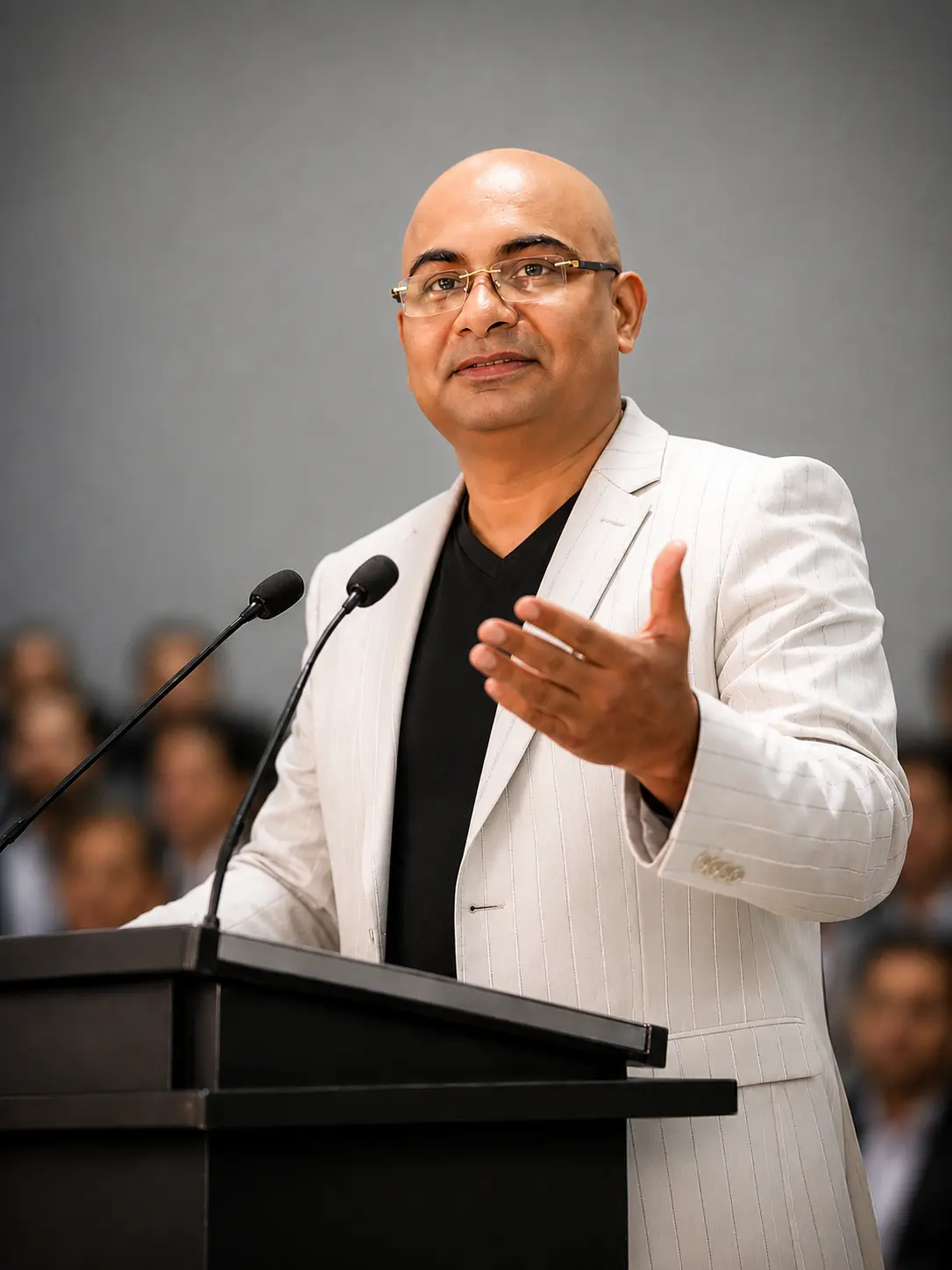
An OKR Coach with 20+ years of implementation experience, Madhusudan has guided over 50 organisations through successful OKR transformations, training more than 500 leaders. Learn more about Worxmate.
Frequently Asked Questions
Modern performance appraisal methods replace annual reviews with continuous feedback, 360-degree reviews, and agile goal frameworks like OKRs to drive real-time growth.
Traditional reviews suffer from recency bias, administrative bloat, and infrequent touchpoints that disengage employees instead of inspiring improvement.
OKRs connect individual daily efforts directly to strategic priorities, making performance evaluations objective and tied to measurable outcomes.
Continuous feedback provides real-time coaching and course correction, preventing small roadblocks from turning into major performance failures.
By gathering insights from peers, direct reports, and cross-functional partners, 360-degree feedback minimizes top-down managerial bias.
Robust platforms offer real-time performance dashboards, automated check-in scheduling, and seamless integration between OKRs and review cycles.
Bi-weekly or monthly 1-on-1 check-ins maintain strong alignment, active communication, and consistent developmental momentum.
Yes, agile platforms equipped with mobile-friendly check-ins and operational tracking ensure distributed and frontline staff remain aligned.
Agile quarterly reviews allow teams to pivot short-term goals and adjust strategies as market conditions and project needs evolve.
By partnering with cost-effective, intuitive platforms like Worxmate, mid-market companies can phase in continuous performance management without enterprise bloat.